Pet Food Packaging Bags: A Win-Win for Businesses and Consumers
Release Time:2024-11-09
Pet Food Packaging Bags: A Win-Win for Businesses and Consumers
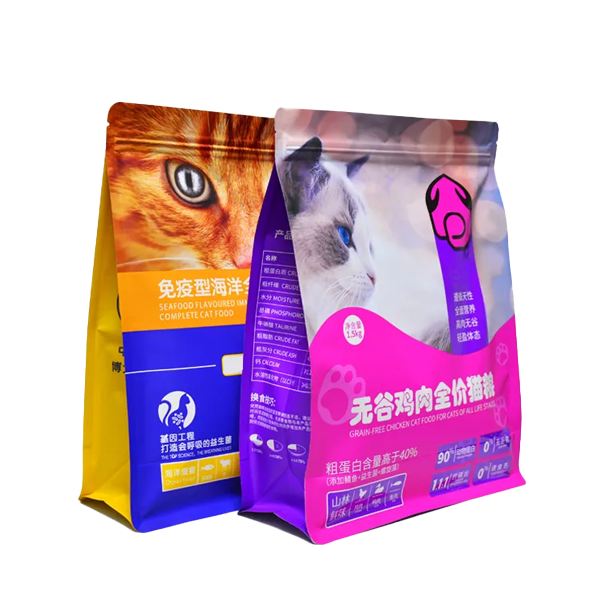
The pet food industry is experiencing significant growth, driven by the increasing number of pet owners and a rising demand for high-quality pet food products. As a result, the packaging used for these products has become just as important as the food itself. In this comprehensive article, we will explore the various facets of pet food packaging bags, highlighting their benefits for both businesses and consumers.

Understanding the Importance of Pet Food Packaging
Packaging is not merely a means of containing products; it serves multiple critical roles in the pet food industry. From branding to preservation, the packaging offers a wide array of benefits.
The Role of Packaging in Brand Identity
In a competitive market, packaging acts as the first point of interaction between consumers and products. It communicates the brand message and values, capturing the attention of potential buyers. Unique designs, informative labels, and engaging visuals can significantly enhance a product’s appeal.
Essential Functions of Pet Food Packaging
Pet food packaging plays several essential roles:
- Protection: Safeguards the food from contamination and physical damage.
- Preservation: Maintains the freshness and nutritional integrity of the pet food.
- Information: Provides crucial information about ingredients, feeding guidelines, and expiration dates.
- Convenience: Facilitates easy storage and usage for pet owners.
Types of Pet Food Packaging Bags
The variety of pet food packaging bags available in the market caters to different needs and preferences. Understanding these options can help businesses select the right solution for their products.
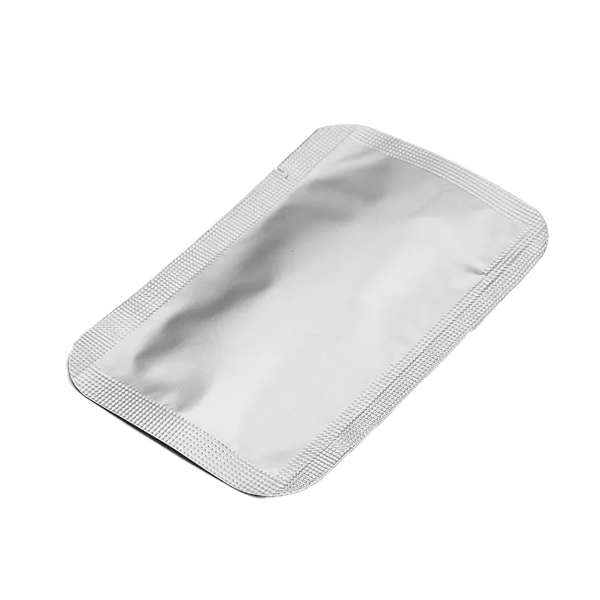
Foil Bags
Foil bags are a popular choice due to their excellent barrier properties against moisture and oxygen. They help keep the pet food fresh for longer periods, making them ideal for high-quality pet food brands.
Advantages of Foil Bags
- Extended shelf life due to moisture and oxygen barriers.
- Lightweight and convenient for shipping.
- Customizable designs for branding purposes.
Plastic Bags
Plastic bags, often made from polypropylene or polyethylene, are another common option. They are cost-effective and versatile, providing a good balance between functionality and affordability.
Benefits of Plastic Bags
- Low production costs, making them accessible for small businesses.
- Variety of sizes and designs to cater to different products.
- Lightweight, reducing shipping costs.
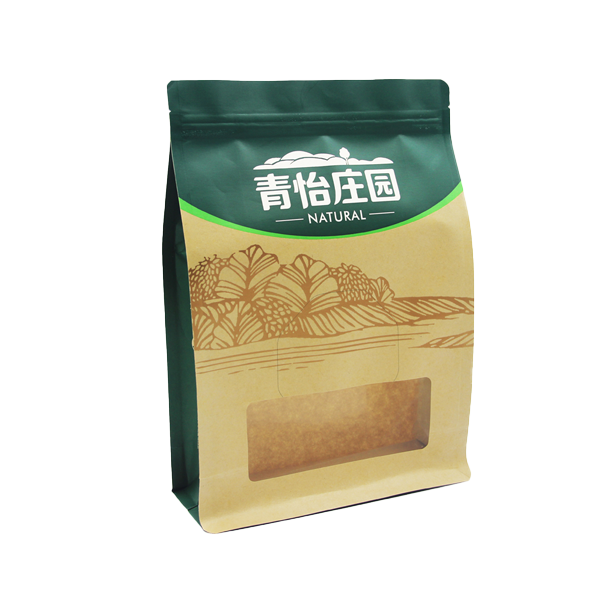
Paper Bags
With a shift towards sustainable options, paper bags have gained popularity. Made from renewable resources, they are biodegradable and can appeal to environmentally conscious consumers.
Pros of Paper Bags
- Eco-friendly and recyclable, reducing environmental impact.
- Customizable with various printing options.
- Perceived as a premium packaging option.
Consumer Preferences in Pet Food Packaging
Understanding consumer preferences is vital for businesses looking to enhance their packaging strategies. Today's pet owners are increasingly focused on sustainability, convenience, and transparency.
Sustainability Matters
As awareness of environmental issues grows, consumers are more inclined to choose brands that prioritize sustainable packaging solutions. Offering eco-friendly options can significantly improve brand loyalty.
The Demand for Convenience
Busy pet owners appreciate packaging that simplifies their lives. Features such as resealable bags, easy-to-handle formats, and single-serve portions can significantly enhance customer satisfaction.
Transparency is Key
Consumers are becoming more discerning about the products they purchase. Clear labeling, ingredient sourcing, and nutritional information are crucial for building trust and fostering customer loyalty.
The Impact of Packaging on Product Freshness and Safety
Ensuring the safety and freshness of pet food is paramount. The right packaging can help mitigate risks associated with spoilage and contamination.
Barrier Properties of Packaging
Effective pet food packaging must exhibit excellent barrier properties to protect against moisture, oxygen, and light. This is essential for preserving the quality and nutritional value of the food.
How Packaging Affects Quality
- Moisture control prevents spoilage and mold growth.
- Oxygen barriers minimize oxidation, preserving flavor and nutrients.
- Light protection prevents degradation of sensitive ingredients.
Ensuring Tamper Resistance
Tamper-resistant packaging reassures consumers about product safety. Incorporating features such as secure seals and tear-resistant materials can enhance consumer confidence.
Market Trends in Pet Food Packaging
The pet food packaging industry is continuously evolving, driven by innovation and changing consumer demands. Staying ahead of these trends is essential for businesses.
The Rise of Smart Packaging
Smart packaging technology, including QR codes and NFC tags, is gaining traction. These innovations allow consumers to access detailed product information and enhance their overall experience.
Emphasis on Customization
Customization has become increasingly important as brands seek to differentiate themselves in a crowded market. Offering tailored packaging solutions can elevate brand perception and attract a loyal customer base.
Environmental Considerations for Pet Food Packaging
As the environmental impact of packaging comes under scrutiny, businesses must adopt sustainable practices. Consumers are demanding eco-friendly materials and processes.
Biodegradable and Compostable Materials
Using biodegradable and compostable materials is an effective way to reduce waste. Brands that prioritize these solutions can appeal to environmentally conscious consumers while minimizing their ecological footprint.
Recycling Initiatives
Implementing recycling programs or using recyclable materials in packaging can further enhance a brand’s sustainability efforts, encouraging consumers to participate in eco-friendly practices.
Case Studies: Successful Pet Food Packaging Strategies
Examining successful case studies can provide valuable insights into effective pet food packaging strategies.
Brand A: Revolutionizing Packaging with Resealable Bags
Brand A introduced resealable bags that provided convenience for pet owners. This innovation led to increased customer satisfaction and repeat purchases.
Brand B: Going Green with Sustainable Materials
Brand B adopted biodegradable packaging, positioning itself as an eco-friendly option in a competitive market. This move attracted environmentally conscious consumers and boosted sales.
Future Prospects in Pet Food Packaging
The future of pet food packaging looks promising as technology and consumer preferences continue to evolve.
Embracing Technological Advancements
Advancements in packaging technology, such as active packaging and intelligent materials, hold the potential to enhance product freshness and safety even further.
Continued Focus on Sustainability
Sustainability will remain a focal point in pet food packaging. Brands that prioritize eco-friendly practices can expect to gain a competitive edge in the marketplace.
FAQs About Pet Food Packaging Bags
1. What materials are commonly used in pet food packaging bags?
Common materials include foil, plastic, and paper, each offering unique benefits in terms of shelf life, cost, and environmental impact.
2. How can I ensure the freshness of pet food in packaging?
Choosing packaging with effective moisture, oxygen, and light barriers is key to preserving freshness. Resealable options also help maintain quality after opening.
3. Are biodegradable pet food packaging bags effective?
Yes, biodegradable bags can effectively reduce environmental impact while maintaining product integrity. It's essential to ensure they meet industry standards for durability.
4. What role does labeling play in pet food packaging?
Labeling provides critical information about ingredients, nutritional value, and usage instructions, fostering transparency and trust with consumers.
5. How can businesses choose the right packaging for their pet food products?
Businesses should consider factors such as product type, target audience, sustainability goals, and cost-effectiveness when selecting packaging solutions.
Conclusion
In summary, pet food packaging bags are a vital component of the pet food industry, offering numerous benefits for businesses and consumers alike. From enhancing brand identity to ensuring product freshness and safety, the right packaging can make a significant difference. As consumer preferences shift towards sustainability and convenience, businesses must adapt by exploring innovative packaging solutions. By prioritizing quality and sustainability, we can create a win-win situation for both the pet food industry and the beloved pets it serves.
Keywords:Pet Food Packaging Bag
Related News

One stop packaging customization service

You can email us
Coco Ma, Email: coco@zhongbao-group.com
Carrie Chan, Email: sales7@zhongbao-group.com
Office
Add: Room 1501, Building D, Suijin Center, No. 57, Jinshi 4th Road, Dayuan Street, Baiyun District, Guangzhou, Guangdong Province, China
Factory
Add: 2F, Building B, Ye Yi 'an Plant, Pingtang Industrial Park, Guanyao Dalan, Shishan Town, Nanhai District, Foshan City, China