Understanding Food Packaging Bags: Essential Insights for Professionals
Release Time:2024-11-08
Introduction
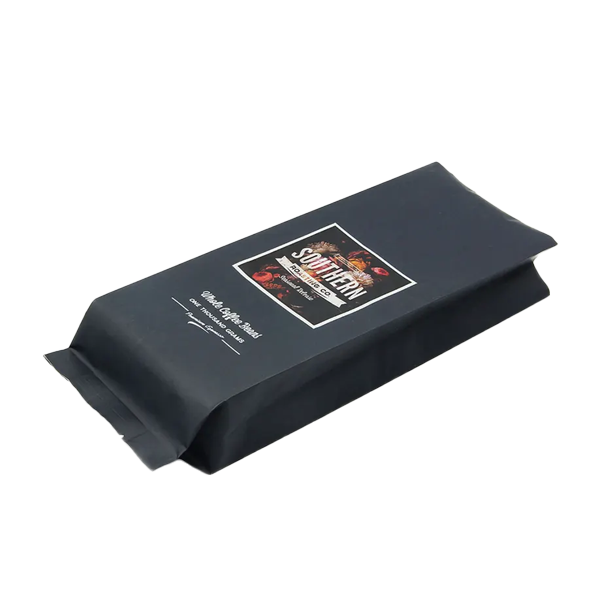
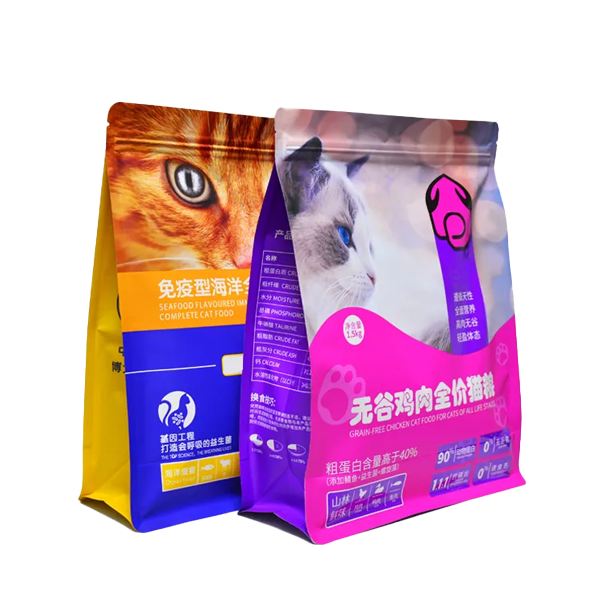
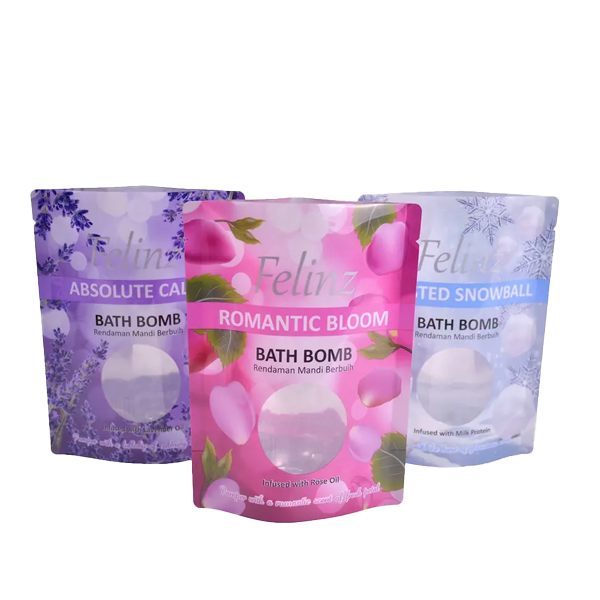
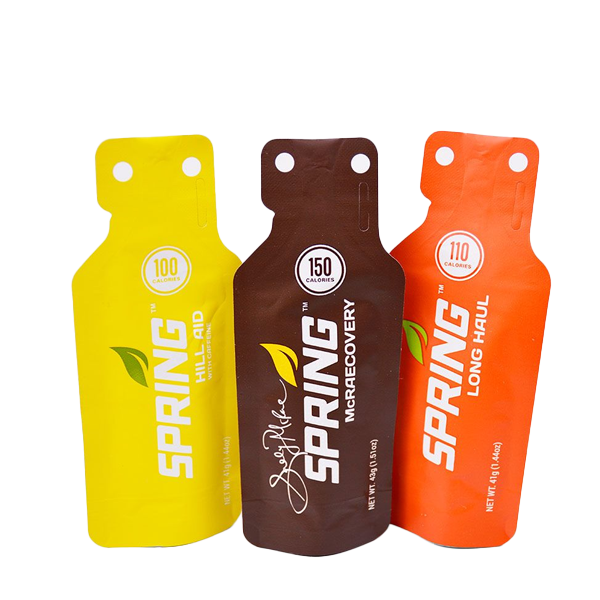
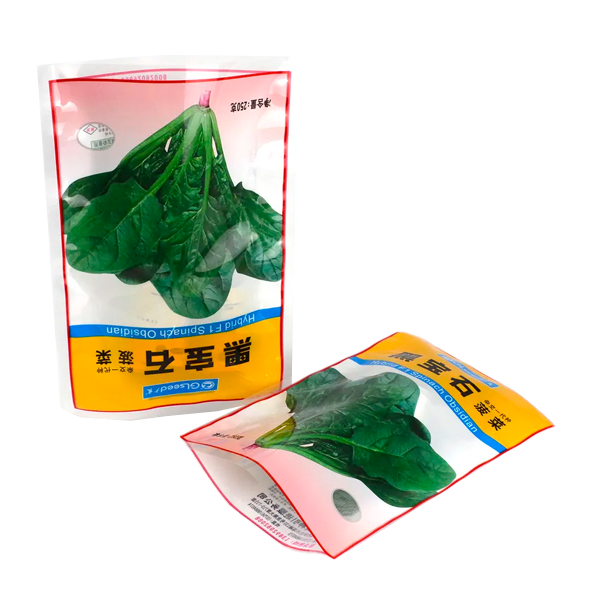
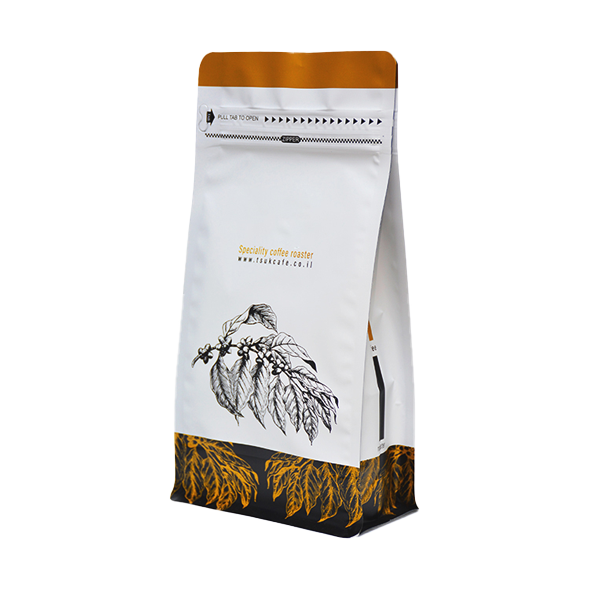
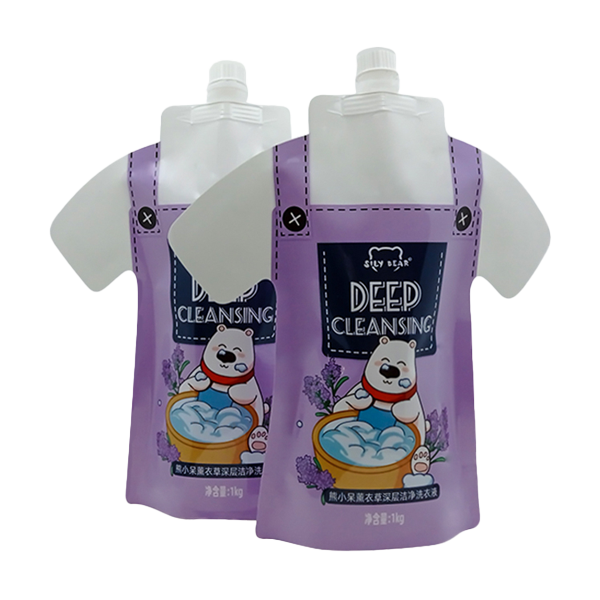
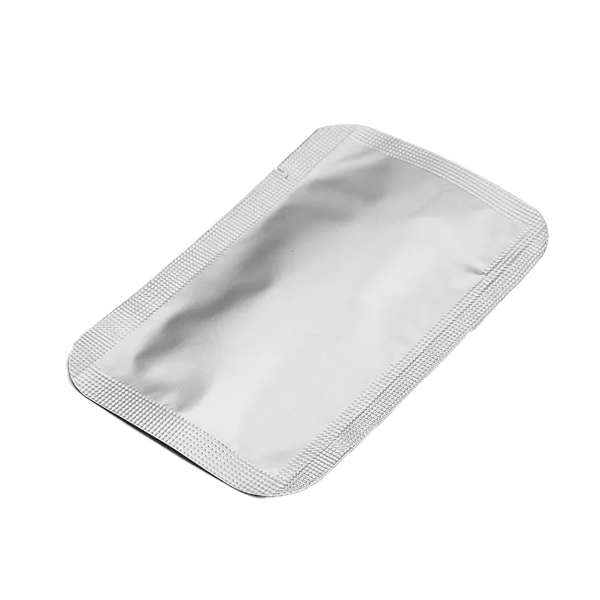
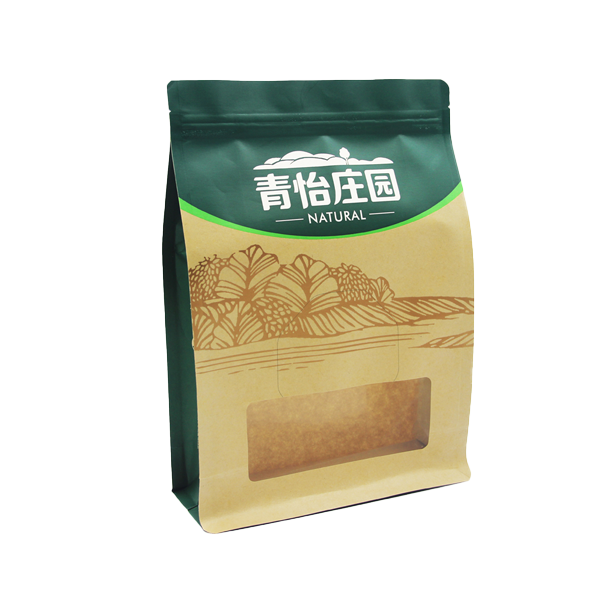
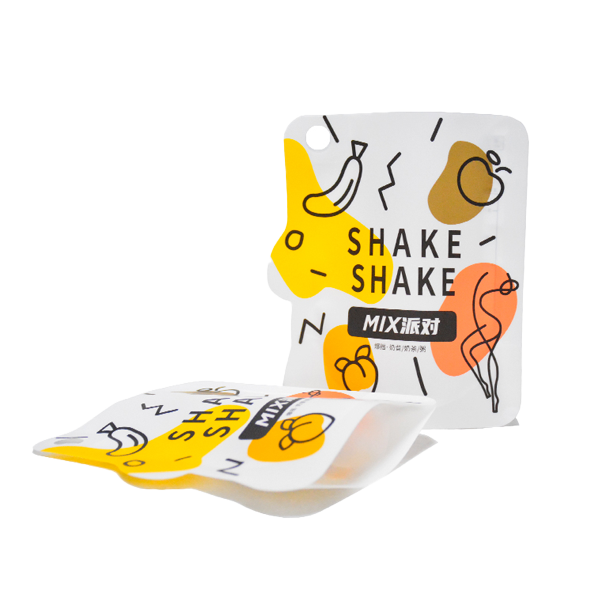
Food packaging bags are indispensable in the modern food industry, serving not only a functional purpose but also playing a vital role in branding and marketing. These bags are designed to protect food products from contamination, moisture, and spoilage, thus extending their shelf life and maintaining quality. Understanding the different types of food packaging bags available can significantly impact business efficiency and product appeal.

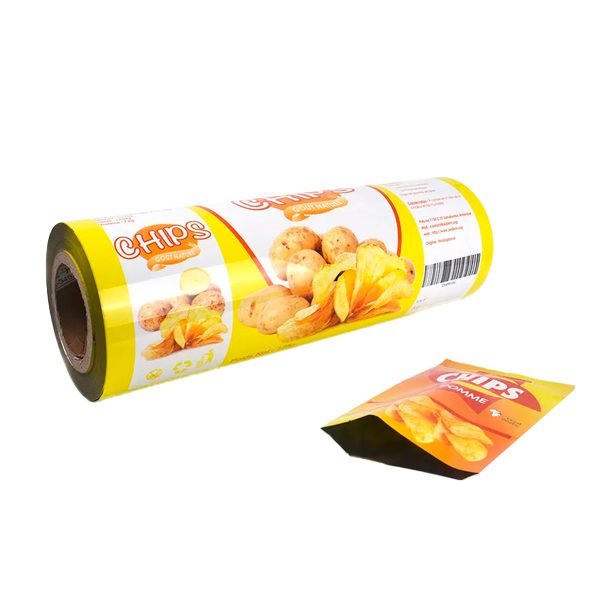
One of the primary types of food packaging bags is flexible packaging. These bags are lightweight and adaptable, making them ideal for a wide variety of food products. Common materials used include polyethylene, polypropylene, and nylon, each offering distinct benefits. For instance, polyethylene bags are excellent for moisture resistance, while polypropylene bags provide enhanced clarity and are perfect for showcasing products.
Another popular option is vacuum-sealed bags. These bags remove air from the packaging, which is crucial in preventing oxidation and microbial growth. Vacuum sealing is particularly beneficial for perishable goods such as meats, cheeses, and ready-to-eat meals, ensuring that these products remain fresh for extended periods. As a result, businesses can reduce waste and improve profitability.
Moreover, it is essential to consider the environmental impact of packaging materials. Recent trends have shifted towards sustainable packaging solutions. As consumers become increasingly environmentally conscious, businesses are exploring biodegradable and compostable materials for food packaging bags. This shift not only helps in reducing the carbon footprint but also enhances brand image by demonstrating corporate social responsibility.
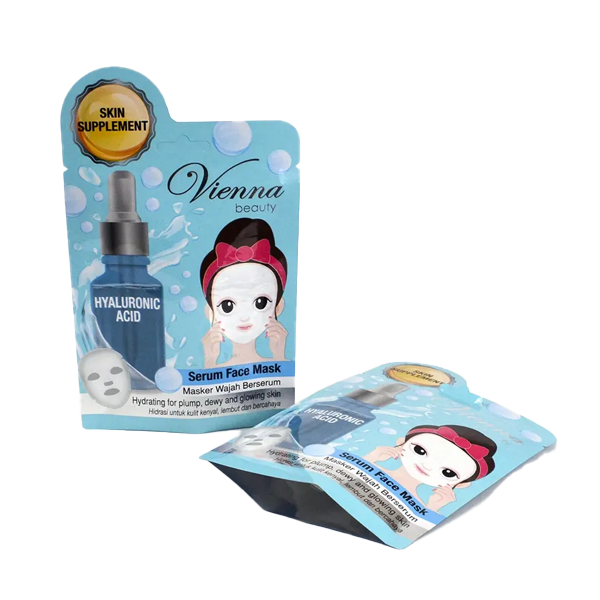
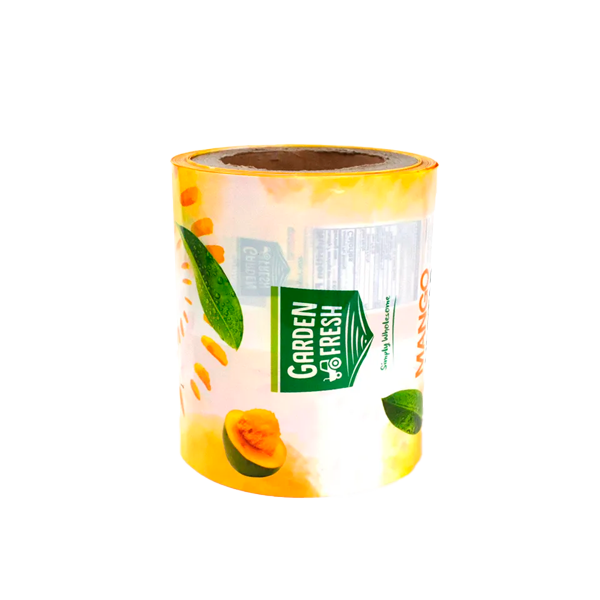
The role of food packaging bags extends beyond mere protection. They provide information about the product, including nutritional facts, ingredients, and expiration dates. Effective labeling is crucial for compliance with food safety regulations and plays a significant part in consumer decision-making. Packaging design and labeling can significantly enhance branding efforts, making products more attractive on store shelves.
In conclusion, food packaging bags are a vital component of the food supply chain. Professionals in the packaging and printing industry must stay informed about the latest materials, technologies, and regulations to ensure they meet both consumer demands and sustainability goals. By understanding the different types of packaging solutions available, businesses can make informed choices that positively influence their operations and market presence. As the industry evolves, staying updated on best practices in food packaging will be crucial for success.
Keywords:Food Packaging Bag
Related News

One stop packaging customization service

You can email us
Coco Ma, Email: coco@zhongbao-group.com
Carrie Chan, Email: sales7@zhongbao-group.com
Head office Address
Room 702, Block A, Jiafeng Building, Jiahe Street, Baiyun District,Guangzhou City, Guangdong Province, China, 510440