news
Understanding Wholesale Pet Food Packaging Bags: Key Considerations for Your Business
Release Time:2024-11-28
In the pet food industry, packaging plays a pivotal role in not only protecting the product but also attracting consumers. Wholesale pet food packaging bags are specifically designed to meet the diverse needs of manufacturers and retailers. When choosing the right packaging solution, there are several key factors to consider.
First and foremost, material selection is critical. Common materials for wholesale pet food packaging bags include polyethylene, polypropylene, and biodegradable films. Each material offers distinct advantages. For instance, polyethylene is known for its durability and moisture resistance, while biodegradable options are gaining popularity among eco-conscious consumers. Understanding the product's requirements, such as shelf life and storage conditions, will help in choosing the most suitable material.
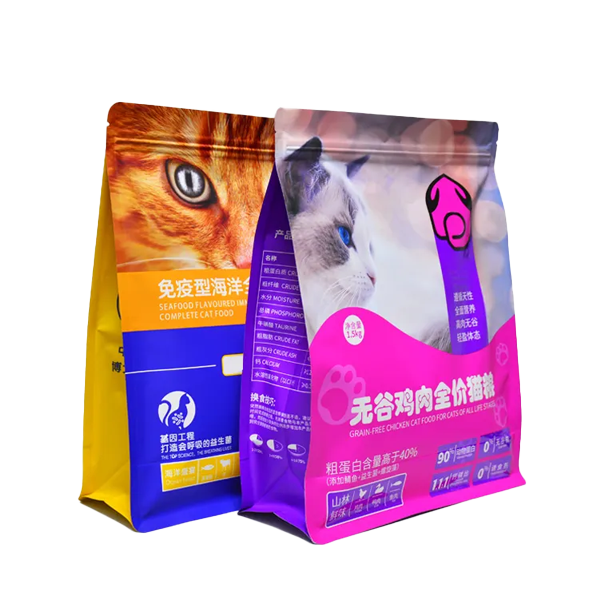
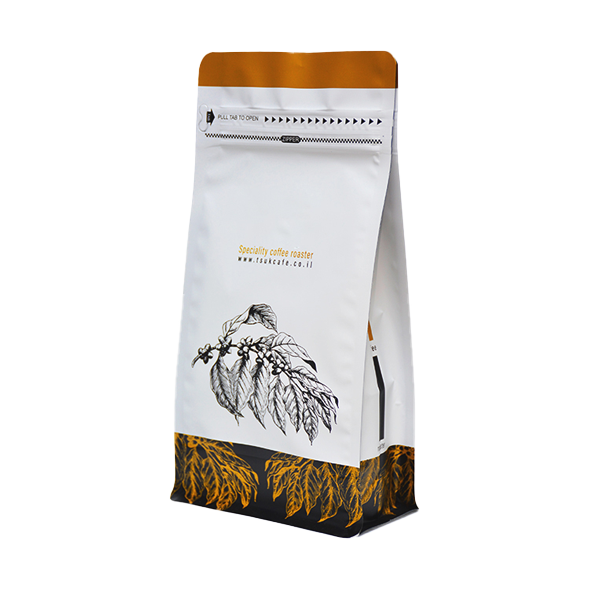
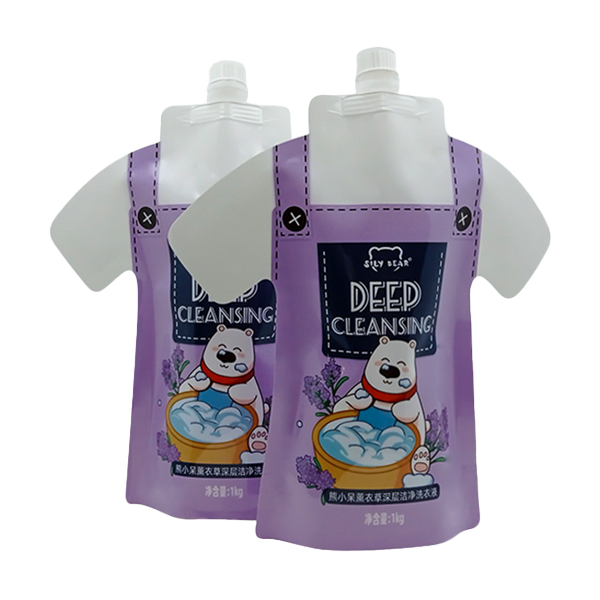
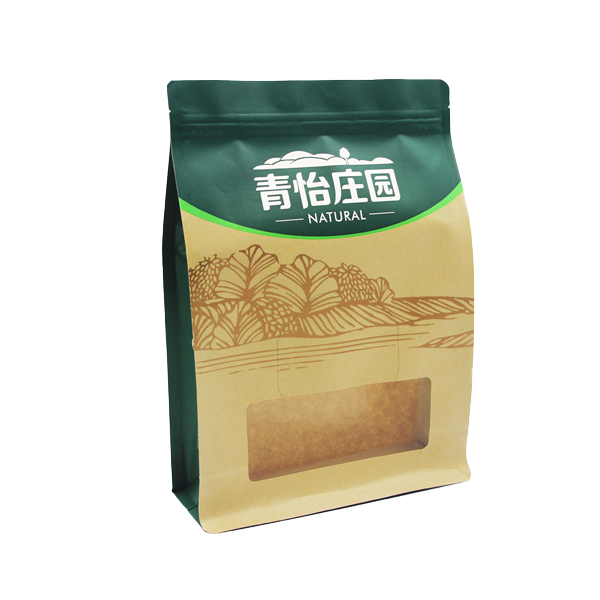
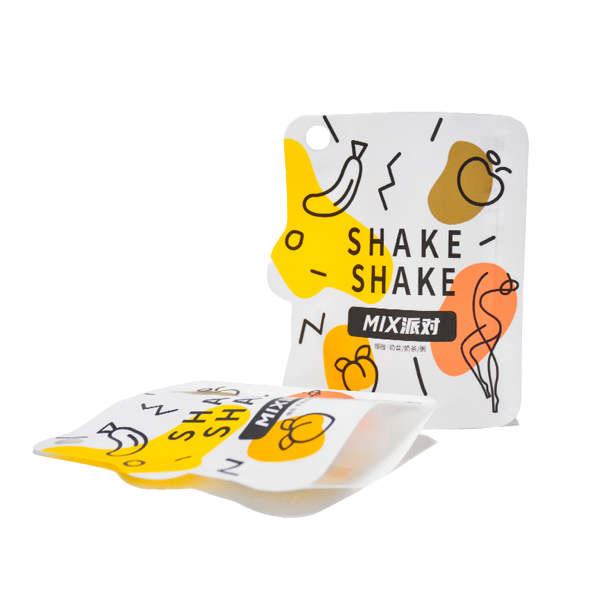
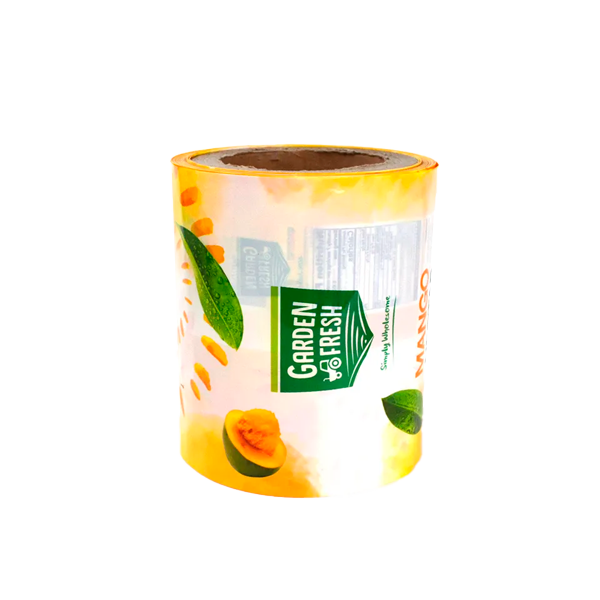
Another essential consideration is the design and branding of the packaging. A well-designed bag can significantly enhance brand visibility and consumer appeal. Incorporating vibrant colors, eye-catching graphics, and clear information about the product can attract potential buyers. Additionally, including information on nutritional benefits and ingredients can build trust and inform consumers about what they are purchasing.
Furthermore, the size and format of the packaging should align with market trends and consumer preferences. Offering a range of sizes—from single-serving bags to larger bulk options—can cater to different segments of the market. For example, busy pet owners may prefer smaller, resealable bags for convenience, while retailers may require larger bags for bulk sales.
Sustainability is an increasingly important factor in packaging decisions. Many consumers today are looking for environmentally friendly options. Exploring eco-friendly materials, such as compostable bags or those made from recycled content, not only supports responsible consumption but can also differentiate your brand in a crowded marketplace.
Additionally, compliance with regulations is crucial in the pet food industry. Ensure that your packaging meets all relevant safety standards and labeling requirements. This not only protects your business from potential liabilities but also instills confidence in consumers regarding the safety and quality of your products.
Lastly, consider the logistics of packaging. Efficient packing solutions can reduce shipping costs and enhance the overall supply chain process. Collaborating with packaging suppliers who understand the intricacies of the pet food industry can provide you with tailored solutions that align with your operational needs.
In conclusion, wholesale pet food packaging bags are more than just containers; they are a vital component of your product strategy. By focusing on material selection, design, sustainability, compliance, and logistics, businesses can enhance their market presence and cater effectively to consumer demands. Making informed choices in packaging not only protects the product but also strengthens brand loyalty and drives sales in a competitive landscape.
First and foremost, material selection is critical. Common materials for wholesale pet food packaging bags include polyethylene, polypropylene, and biodegradable films. Each material offers distinct advantages. For instance, polyethylene is known for its durability and moisture resistance, while biodegradable options are gaining popularity among eco-conscious consumers. Understanding the product's requirements, such as shelf life and storage conditions, will help in choosing the most suitable material.
Another essential consideration is the design and branding of the packaging. A well-designed bag can significantly enhance brand visibility and consumer appeal. Incorporating vibrant colors, eye-catching graphics, and clear information about the product can attract potential buyers. Additionally, including information on nutritional benefits and ingredients can build trust and inform consumers about what they are purchasing.
Furthermore, the size and format of the packaging should align with market trends and consumer preferences. Offering a range of sizes—from single-serving bags to larger bulk options—can cater to different segments of the market. For example, busy pet owners may prefer smaller, resealable bags for convenience, while retailers may require larger bags for bulk sales.
Sustainability is an increasingly important factor in packaging decisions. Many consumers today are looking for environmentally friendly options. Exploring eco-friendly materials, such as compostable bags or those made from recycled content, not only supports responsible consumption but can also differentiate your brand in a crowded marketplace.
Additionally, compliance with regulations is crucial in the pet food industry. Ensure that your packaging meets all relevant safety standards and labeling requirements. This not only protects your business from potential liabilities but also instills confidence in consumers regarding the safety and quality of your products.
Lastly, consider the logistics of packaging. Efficient packing solutions can reduce shipping costs and enhance the overall supply chain process. Collaborating with packaging suppliers who understand the intricacies of the pet food industry can provide you with tailored solutions that align with your operational needs.
In conclusion, wholesale pet food packaging bags are more than just containers; they are a vital component of your product strategy. By focusing on material selection, design, sustainability, compliance, and logistics, businesses can enhance their market presence and cater effectively to consumer demands. Making informed choices in packaging not only protects the product but also strengthens brand loyalty and drives sales in a competitive landscape.
Keywords:wholesale Pet Food Packaging Bag
Related News

One stop packaging customization service

You can email us
Coco Ma, Email: coco@zhongbao-group.com
Carrie Chan, Email: sales7@zhongbao-group.com
Head office Address
Room 702, Block A, Jiafeng Building, Jiahe Street, Baiyun District,Guangzhou City, Guangdong Province, China, 510440