news
The Psychology of Packaging: Influencing Consumer Buying Decisions
Release Time:2024-11-27
The Psychology of Packaging: Influencing Consumer Buying Decisions
Table of Contents
1. Introduction to the Psychology of Packaging
2. The Emotional Connection: How Packaging Evokes Feelings
3. The Impact of Color on Consumer Choice
3.1 The Psychology of Color
3.2 Color Trends in Packaging Design
4. Shape and Structure: Navigating Consumer Perceptions
4.1 The Role of Shape in Brand Recognition
4.2 Innovative Packaging Shapes that Capture Attention
5. Material Matters: The Sensory Experience of Packaging
5.1 Eco-Friendly Packaging and Consumer Preference
5.2 Textures and Finishes: Enhancing the Physical Interaction
6. Branding and Packaging: Building a Cohesive Identity
6.1 The Importance of Logo Placement and Design
6.2 Consistency Across Different Product Lines
7. Packaging as a Storytelling Tool
7.1 Narratives that Resonate with Consumers
7.2 Case Studies: Successful Storytelling Through Packaging
8. The Future of Packaging: Trends and Innovations
8.1 Smart Packaging Technologies
8.2 The Future of Sustainable Materials
9. Frequently Asked Questions (FAQs)
10. Conclusion: The Lasting Impact of Packaging on Consumer Behavior
1. Introduction to the Psychology of Packaging
Packaging is *much more* than just a protective layer for products; it's a *powerful tool* that influences consumer behavior. In today's competitive marketplace, the design and presentation of packaging can significantly affect the buying decisions of consumers. This article will delve into the psychology behind packaging, exploring how various elements—color, shape, material, and branding—interplay to shape consumer perceptions and drive sales.
2. The Emotional Connection: How Packaging Evokes Feelings
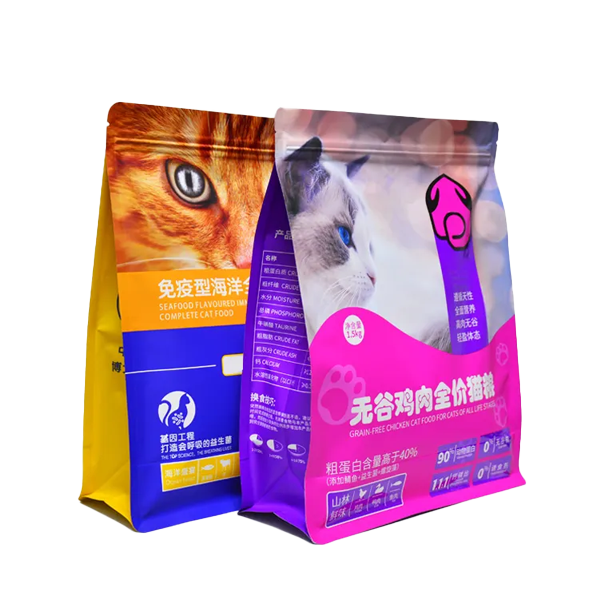
One of the most profound impacts of packaging is its ability to evoke emotions. Consumers often make purchasing decisions based on how a product makes them feel. For instance, a sleek, minimalist package may communicate luxury and sophistication, while vibrant, colorful packaging might evoke excitement and fun. By understanding the emotional triggers associated with packaging, brands can create designs that resonate with their target audience.
3. The Impact of Color on Consumer Choice
Color plays a pivotal role in packaging design and can significantly influence consumer behavior.
3.1 The Psychology of Color
Colors can convey different messages and emotions. For example, red often signifies urgency, making it an effective choice for clearance sales, while blue conveys trust and reliability, often used in packaging for financial services. Understanding color psychology allows brands to select hues that align with their brand identity and target market.
3.2 Color Trends in Packaging Design
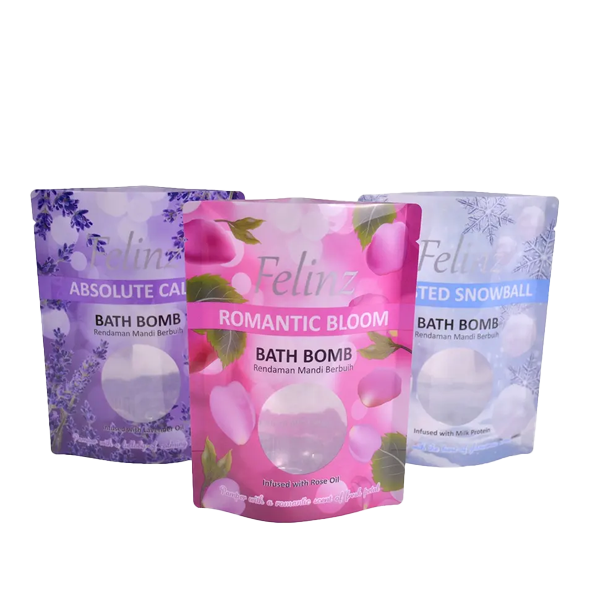
Staying updated on color trends is crucial for effective packaging. Currently, pastel shades are gaining popularity for their soothing qualities, while bold, contrasting colors are favored for their attention-grabbing capabilities. Brands that successfully adapt to these trends can enhance their visibility and appeal in crowded marketplaces.
4. Shape and Structure: Navigating Consumer Perceptions
The shape of packaging is another critical factor that can affect consumer perception and choice.
4.1 The Role of Shape in Brand Recognition
Unique shapes can create memorable impressions. For instance, Coca-Cola's iconic contour bottle is instantly recognizable, reinforcing brand identity. By employing distinctive shapes, brands can differentiate themselves from competitors and enhance recognition amongst consumers.
4.2 Innovative Packaging Shapes that Capture Attention
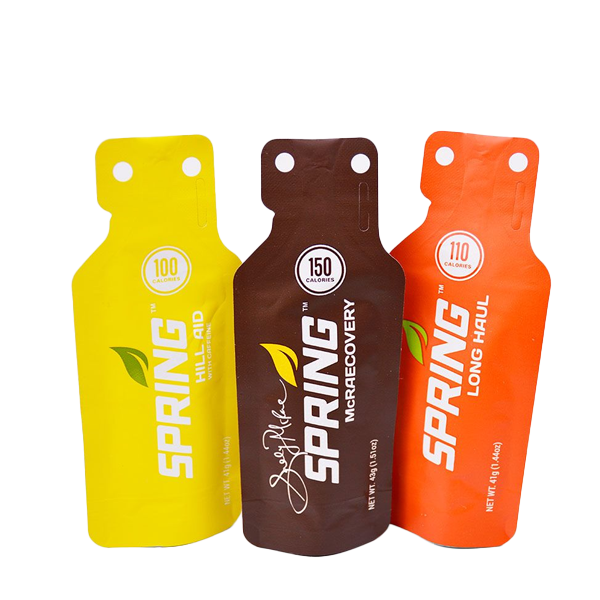
Innovative packaging shapes can also enhance functionality, making it easier for consumers to use products. Brands that prioritize usability in their designs can improve customer satisfaction and loyalty.
5. Material Matters: The Sensory Experience of Packaging
The materials used in packaging can significantly influence how a product is perceived.
5.1 Eco-Friendly Packaging and Consumer Preference
With growing environmental awareness, consumers increasingly prefer brands that use sustainable materials. Eco-friendly packaging not only appeals to environmentally conscious shoppers but also enhances brand loyalty. Companies that prioritize sustainability in their packaging strategies can attract a broader customer base.
5.2 Textures and Finishes: Enhancing the Physical Interaction
The texture and finish of packaging can create a tactile experience that influences buying decisions. Soft-touch finishes can evoke feelings of elegance and comfort, while glossy finishes may imply a modern and sophisticated product. By incorporating varied textures, brands can create a multi-sensory experience that engages consumers on a deeper level.
6. Branding and Packaging: Building a Cohesive Identity
Effective packaging serves as a reflection of a brand's identity.
6.1 The Importance of Logo Placement and Design
A well-placed logo can enhance brand recognition and foster trust. Consistency in logo usage across packaging designs helps reinforce brand identity and makes a product more recognizable to consumers.
6.2 Consistency Across Different Product Lines
Maintaining a cohesive look across various product lines can strengthen brand image and create a unified perception. Brands that invest in consistent packaging design can enhance consumer trust and loyalty.
7. Packaging as a Storytelling Tool
Packaging can be a powerful medium for storytelling, allowing brands to communicate their values and mission.
7.1 Narratives that Resonate with Consumers
Consumers are drawn to stories that resonate with their values. Packaging that tells a story can create an emotional connection and foster brand loyalty. For example, a brand that highlights its heritage or sustainable practices through packaging can attract like-minded consumers.
7.2 Case Studies: Successful Storytelling Through Packaging
Brands like Ben & Jerry's effectively use packaging to convey their commitment to social causes, integrating imagery and messaging that reflects their mission. Such storytelling not only enhances consumer engagement but also builds a loyal customer base.
8. The Future of Packaging: Trends and Innovations
As consumer preferences evolve, so do packaging trends.
8.1 Smart Packaging Technologies
Emerging technologies, such as smart packaging, are changing the landscape of product presentation. These innovations include QR codes and augmented reality features that provide additional product information and enhance consumer interaction.
8.2 The Future of Sustainable Materials
The drive toward sustainability continues to shape packaging innovations. Brands that invest in biodegradable materials and recyclable designs will likely gain a competitive edge as more consumers prioritize environmental responsibility.
9. Frequently Asked Questions (FAQs)
**Q1: How does packaging influence consumer behavior?**
A1: Packaging influences consumer behavior through emotional triggers, brand recognition, and sensory experiences, ultimately impacting purchasing decisions.
**Q2: What role does color play in packaging design?**
A2: Color plays a crucial role in conveying brand identity and evoking emotions, significantly influencing consumer choices.
**Q3: Why is sustainable packaging important?**
A3: Sustainable packaging appeals to environmentally conscious consumers and enhances brand loyalty, making it a vital consideration for modern businesses.
**Q4: How can packaging tell a brand's story?**
A4: Packaging can convey a brand's values and mission through imagery, messaging, and design elements that resonate with consumers, fostering emotional connections.
**Q5: What are some emerging trends in packaging?**
A5: Emerging trends include smart packaging technologies and innovations in sustainable materials, reflecting the evolving preferences of consumers.
10. Conclusion: The Lasting Impact of Packaging on Consumer Behavior
In conclusion, packaging is an essential element that influences consumer buying decisions in various ways. From color and shape to material and branding, each aspect of packaging plays a pivotal role in shaping perceptions and driving sales. By understanding the psychology behind packaging, brands can create impactful designs that resonate with consumers, fostering loyalty and enhancing market presence. Embracing innovative trends and sustainable practices will be key to staying competitive in the ever-evolving marketplace.
Keywords:Food Packaging Bag china
Related News

One stop packaging customization service

You can email us
Coco Ma, Email: coco@zhongbao-group.com
Carrie Chan, Email: sales7@zhongbao-group.com
Head office Address
Room 702, Block A, Jiafeng Building, Jiahe Street, Baiyun District,Guangzhou City, Guangdong Province, China, 510440