news
From Ordinary to Extraordinary: Transforming Pet Food Packaging
Release Time:2024-08-12
From Ordinary to Extraordinary: Transforming Pet Food Packaging
Table of Contents
1. Introduction to Pet Food Packaging Evolution
2. The Importance of First Impressions in Pet Food Packaging
3. Key Elements of Innovative Pet Food Packaging
3.1 Eco-Friendly Materials in Pet Food Packaging
3.2 Eye-Catching Design and Branding Strategies
3.3 Functional Packaging Features
4. Case Studies: Successful Transformations in Pet Food Packaging
5. The Role of Technology in Packaging Transformation
6. Consumer Trends and Preferences in Pet Food Packaging
7. Challenges in Pet Food Packaging Transformation
8. Future Trends in Pet Food Packaging
FAQs
9. Conclusion
1. Introduction to Pet Food Packaging Evolution
The pet food industry has seen **significant changes** over the past decade, particularly in the realm of packaging. As pet owners become more discerning and aware of what they are feeding their furry friends, the demand for **innovative and sustainable packaging** solutions has surged. This article delves into how ordinary pet food packaging is being transformed into extraordinary designs that not only capture attention but also meet the evolving **consumer expectations**.
2. The Importance of First Impressions in Pet Food Packaging
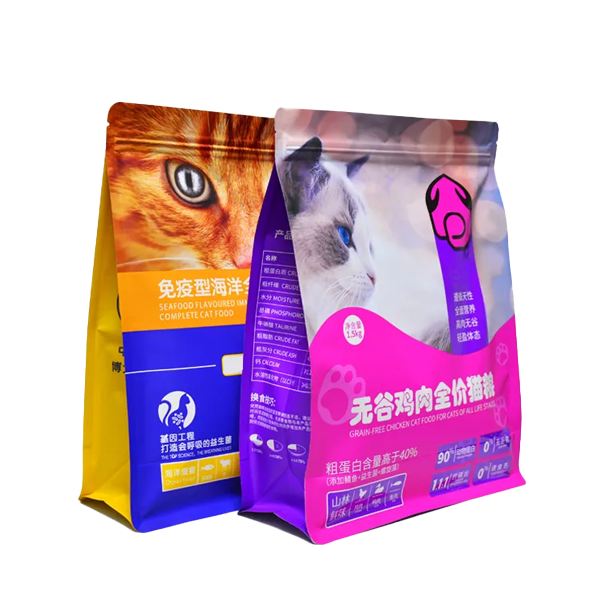
When it comes to pet food, packaging serves as the **first point of interaction** between the product and the consumer. In a saturated market brimming with choices, the look and feel of packaging can significantly influence purchasing decisions. **High-quality packaging** not only conveys the value of the product but also establishes trust with consumers. Brands that prioritize eye-catching and informative packaging are more likely to stand out on store shelves, **capturing the interest of pet owners** looking for quality items.
3. Key Elements of Innovative Pet Food Packaging
To transform pet food packaging from ordinary to extraordinary, several key elements must be considered.
3.1 Eco-Friendly Materials in Pet Food Packaging
Sustainability has become a pivotal concern for consumers. Packaging made from **biodegradable**, **recyclable**, or **compostable materials** is increasingly favored by eco-conscious pet owners. Brands that use sustainable packaging not only appeal to this audience but also contribute positively to the environment. The adoption of materials like **plant-based plastics** and **post-consumer recycled content** can showcase a brand's commitment to sustainability.
3.2 Eye-Catching Design and Branding Strategies
An attractive design is paramount in transforming pet food packaging. The use of vibrant colors, unique shapes, and **engaging graphics** can create a memorable visual identity. Additionally, incorporating storytelling elements into the packaging can resonate with consumers. An effective branding strategy communicates the essence of the product, highlighting key ingredients or health benefits that appeal to pet owners.
3.3 Functional Packaging Features
Functionality is just as crucial as aesthetics in pet food packaging. **Re-sealable pouches**, **easy-to-open containers**, and **portion control designs** enhance user experience. Packaging that simplifies the feeding process while maintaining product freshness is highly valued. Such features not only improve convenience but also encourage brand loyalty among consumers.
4. Case Studies: Successful Transformations in Pet Food Packaging
Several brands have successfully transformed their pet food packaging, setting benchmarks within the industry.
One notable example is **Blue Buffalo**, which restructured its packaging to reflect its mission of producing natural pet foods. The new packaging design incorporates **vibrant imagery**, highlighting the natural ingredients and evoking a sense of trust and quality. This transformation has not only attracted attention but has also resulted in increased sales.
Another success story is **Hill’s Science Diet**, which incorporated educational elements into its packaging. By providing clear information on the nutritional benefits of their products and using **infographics**, the brand has captured the interest of health-conscious pet owners. This approach effectively communicates the value proposition of the product, leading to enhanced consumer awareness.
5. The Role of Technology in Packaging Transformation
Technology plays a crucial role in the evolution of pet food packaging. Advanced printing techniques allow for **customized designs** that can reflect a brand's personality while maintaining high-resolution graphics. Additionally, **smart packaging** technologies, such as QR codes, can provide consumers with more information about the product, including sourcing, nutritional content, and health benefits. This integration of technology enhances the consumer experience and fosters transparency.
6. Consumer Trends and Preferences in Pet Food Packaging
Understanding consumer preferences is vital for brands aiming to innovate their packaging. Recent trends indicate that **pet owners are increasingly concerned** about the ingredients in their pets' food as well as the packaging it comes in. Brands that emphasize transparency, sustainability, and convenience in their packaging are more likely to resonate with this audience.
Moreover, the rise of **premium pet foods** has influenced packaging styles. Higher-end products often feature luxurious materials and sophisticated designs that appeal to affluent consumers. This trend highlights the importance of aligning packaging aesthetics with target market expectations.
7. Challenges in Pet Food Packaging Transformation
Despite the opportunities presented by packaging innovation, brands face several challenges in the transformation process. One significant hurdle is the cost associated with new materials and technologies. Many companies may be hesitant to invest in sustainable options due to initial financial burdens.
Additionally, navigating regulations around food safety and packaging standards can complicate the redesign process. Ensuring compliance while trying to innovate packaging requires careful planning and execution.
8. Future Trends in Pet Food Packaging
The future of pet food packaging promises exciting developments. As consumer preferences continue to evolve, brands must adapt to stay relevant. Here are some anticipated trends:
1. **Increased Use of Smart Packaging**: Brands will increasingly integrate technology into packaging, offering consumers enhanced experiences and information.
2. **Sustainable Innovations**: The demand for eco-friendly packaging will continue to rise, with brands seeking new materials and production methods that reduce environmental impact.
3. **Customization**: Tailored packaging solutions that cater to specific pet needs or preferences may become more commonplace, enhancing consumer engagement.
4. **Minimalism**: Simplistic designs focusing on clarity and essential information are likely to trend, appealing to consumers overwhelmed by choices.
FAQs
1. What are the main benefits of innovative pet food packaging?
Innovative pet food packaging enhances brand visibility, improves sustainability, and increases consumer trust. It can also elevate the user experience through functional features.
2. How can brands ensure their packaging is eco-friendly?
Brands can explore biodegradable, recyclable, or compostable materials for their packaging. Conducting life-cycle assessments can help identify sustainable options.
3. What role does technology play in packaging transformation?
Technology facilitates advanced printing, customized designs, and smart packaging solutions that provide consumers with additional information and enhance their experience.
4. How can effective branding be achieved through packaging?
Effective branding involves using eye-catching designs, incorporating storytelling, and clearly communicating the product's benefits to resonate with consumers.
5. What challenges do brands face when transforming their packaging?
Brands may face financial constraints, regulatory compliance issues, and the need for consumer education when undertaking packaging transformations.
9. Conclusion
Transforming pet food packaging from ordinary to extraordinary is a multifaceted process that involves understanding consumer preferences, embracing sustainability, and leveraging innovative designs and technologies. Brands that invest in these transformations not only enhance their market presence but also foster long-term relationships with pet owners. By prioritizing quality, functionality, and sustainability, pet food packaging can truly reflect the values and aspirations of modern consumers, paving the way for a brighter future in the pet food industry.
Keywords:Pet Food Packaging Bag
Related News

One stop packaging customization service

You can email us
Coco Ma, Email: coco@zhongbao-group.com
Carrie Chan, Email: sales7@zhongbao-group.com
Office
Add: Room 1501, Building D, Suijin Center, No. 57, Jinshi 4th Road, Dayuan Street, Baiyun District, Guangzhou, Guangdong Province, China
Factory
Add: 2F, Building B, Ye Yi 'an Plant, Pingtang Industrial Park, Guanyao Dalan, Shishan Town, Nanhai District, Foshan City, China