news
The Essential Guide to Food Packaging Bags: Innovations and Best Practices
Release Time:2024-08-11
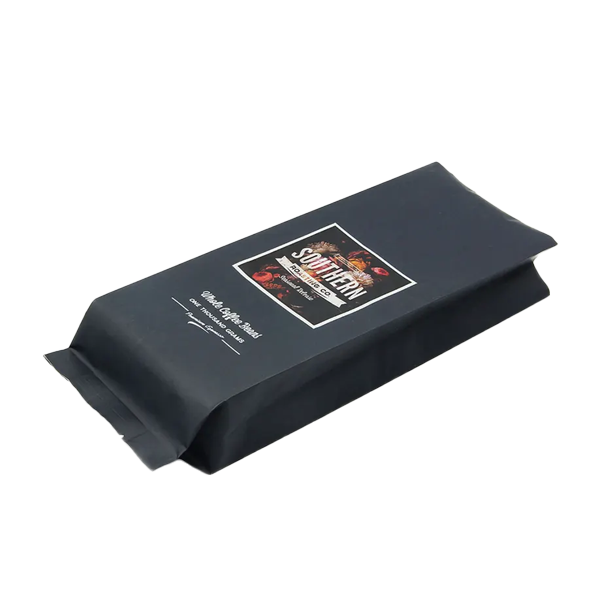
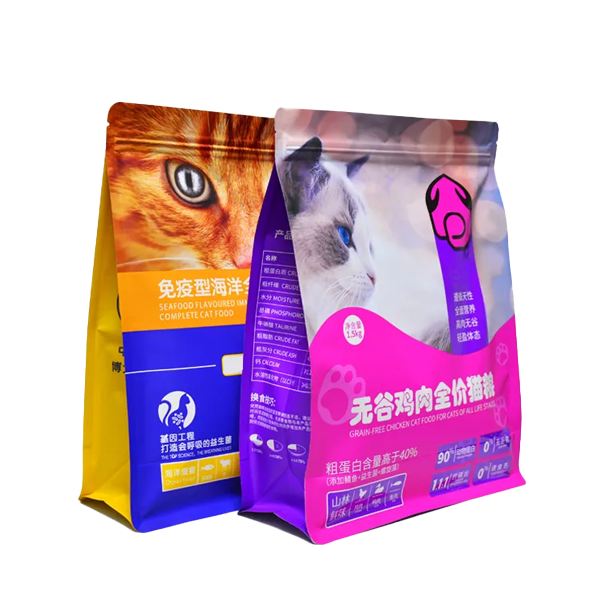
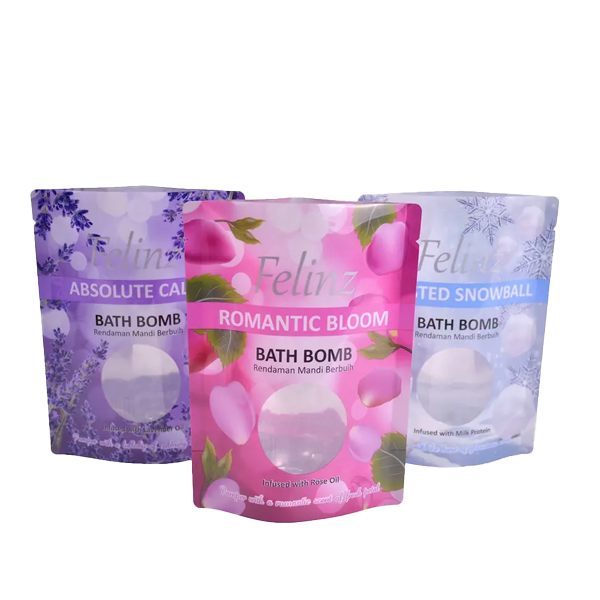
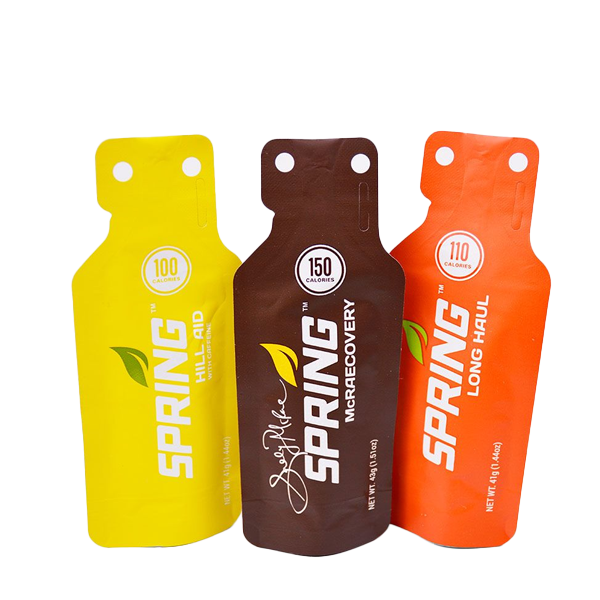
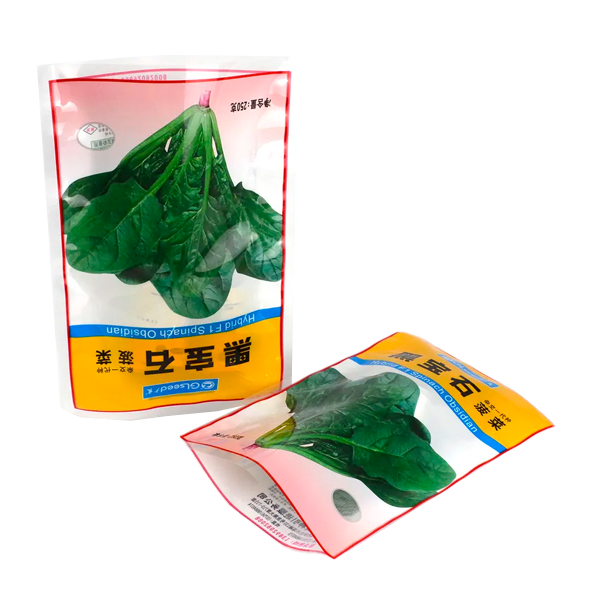
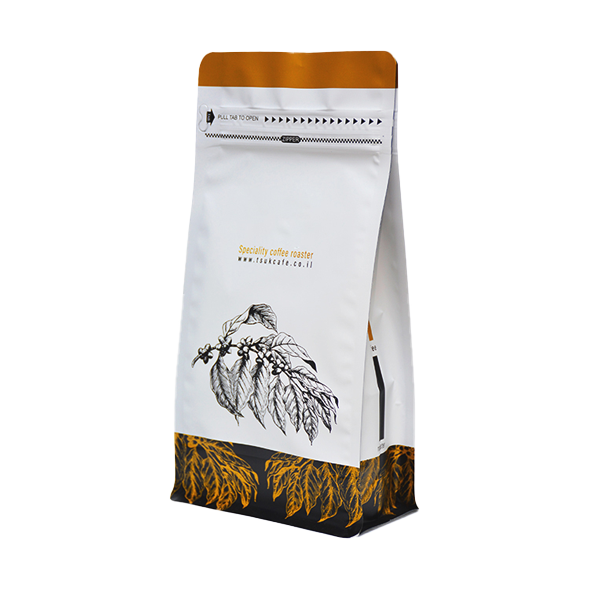
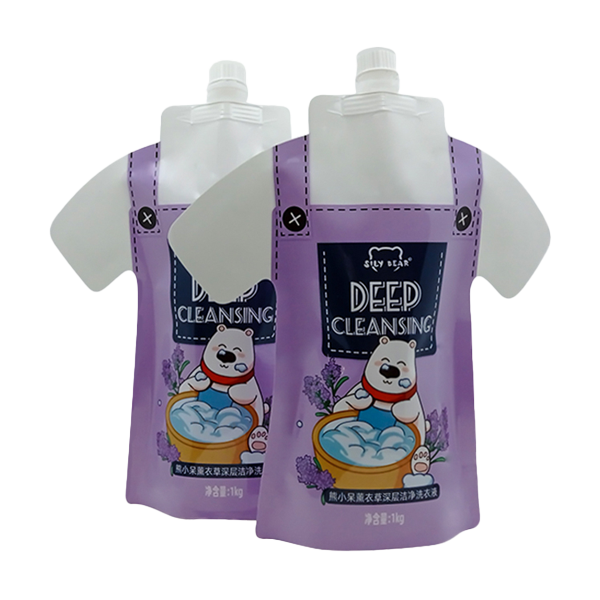
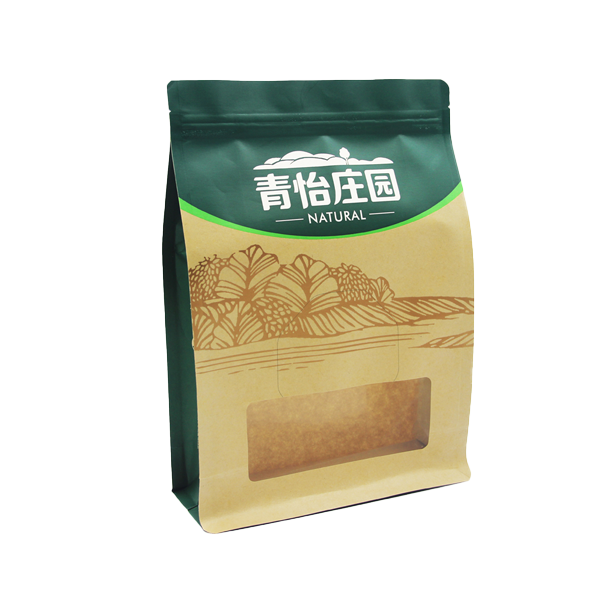
Food packaging bags play a pivotal role in ensuring the safety, freshness, and longevity of food products. As consumer awareness about food safety and environmental impact increases, the demand for innovative and sustainable packaging solutions is on the rise. When selecting a food packaging bag, it’s essential to consider the type of food being packaged, the shelf life desired, and the environmental implications of the materials used.
One key innovation in food packaging bags is the use of biodegradable materials. With the growing concern for environmental sustainability, many manufacturers are turning to compostable films and biodegradable polymers that break down more easily in landfills. These materials not only reduce the environmental footprint of food packaging but also appeal to eco-conscious consumers. For example, bags made from plant-based materials such as PLA (polylactic acid) are gaining popularity as they offer similar functionality to traditional plastic while being less harmful to the environment.
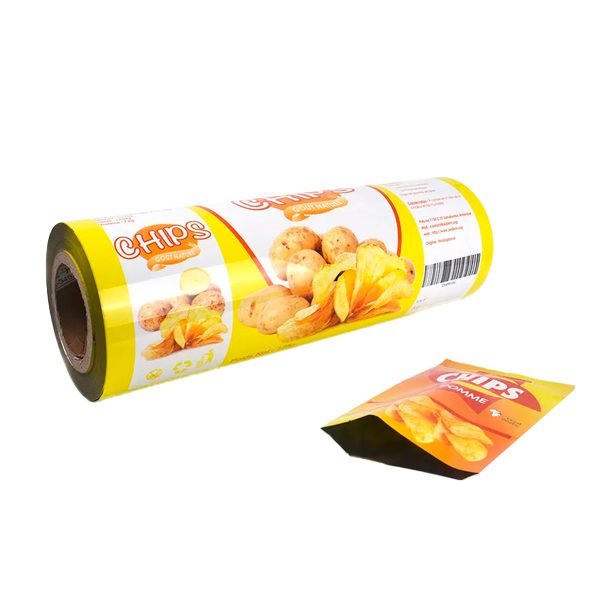
Another trend in food packaging is the incorporation of barrier technologies. Food packaging bags equipped with advanced barrier properties can effectively protect against moisture, oxygen, and UV light, thereby extending the shelf life of perishable items. This is particularly important for products such as snacks, dried fruits, and ready-to-eat meals, where freshness is paramount. Understanding the specific barrier requirements for different food types can help in selecting the right packaging solution.
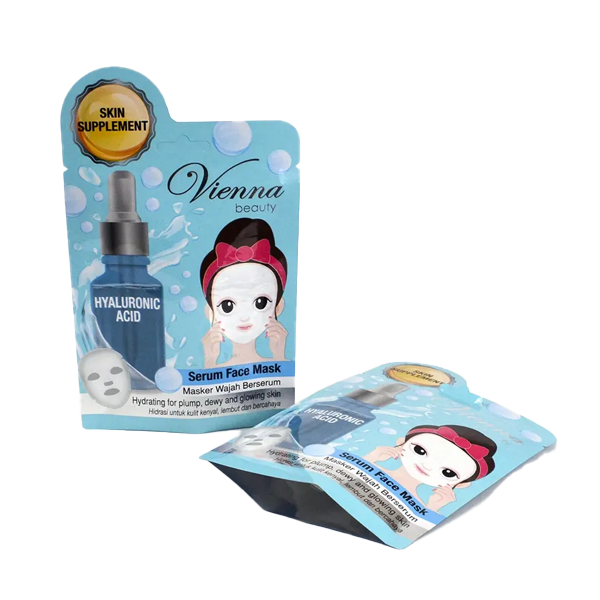
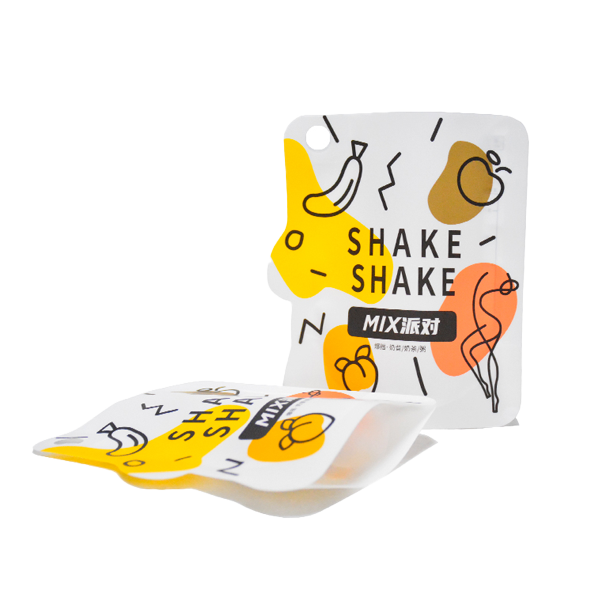
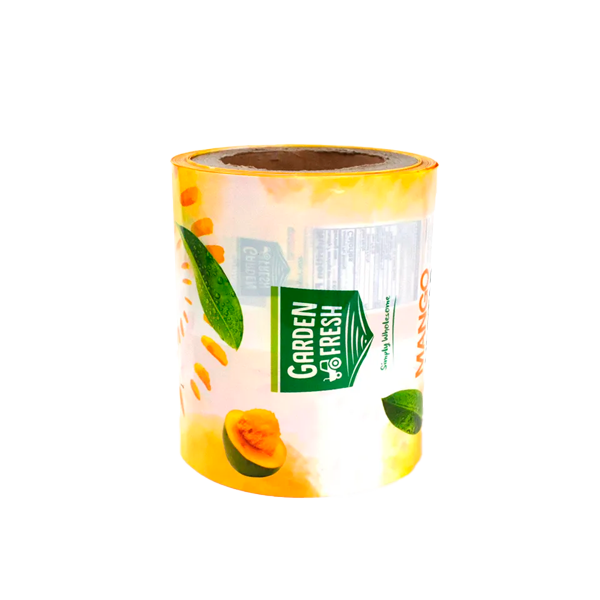
Additionally, the design and printing capabilities of food packaging bags have advanced significantly. Customization options allow brands to create eye-catching designs that not only enhance product visibility but also communicate important information such as nutritional facts and usage instructions. High-quality printing techniques can also ensure that the packaging is attractive and aligns with the brand’s identity, which is crucial in a competitive marketplace.
It is also important to be aware of food safety regulations when selecting food packaging bags. Compliance with local and international standards ensures that packaging materials do not leach harmful substances into food products. Regular testing and certification can help brands maintain high safety standards and build consumer trust.
In summary, the landscape of food packaging bags is continually evolving, driven by innovations in materials, technology, and design. By staying informed about these trends and best practices, professionals in the packaging and printing industry can better meet the needs of their clients and consumers alike, ensuring that they provide safe, sustainable, and visually appealing packaging solutions. Understanding these aspects can significantly impact the success of food products in the market.
Keywords:Food Packaging Bag
Related News

One stop packaging customization service

You can email us
Coco Ma, Email: coco@zhongbao-group.com
Carrie Chan, Email: sales7@zhongbao-group.com
Head office Address
Room 702, Block A, Jiafeng Building, Jiahe Street, Baiyun District,Guangzhou City, Guangdong Province, China, 510440