news
The Essential Guide to Food Packaging Bags: Everything You Need to Know
Release Time:2023-11-22
Introduction:
Food packaging bags play a vital role in the service industry, particularly in the packaging and printing sector. If you're looking for essential information about food packaging bags, you've come to the right place. In this guide, we will explore various aspects of food packaging bags, including types, materials, benefits, and usage tips, helping you make informed decisions for your packaging requirements.
1. Types of Food Packaging Bags:
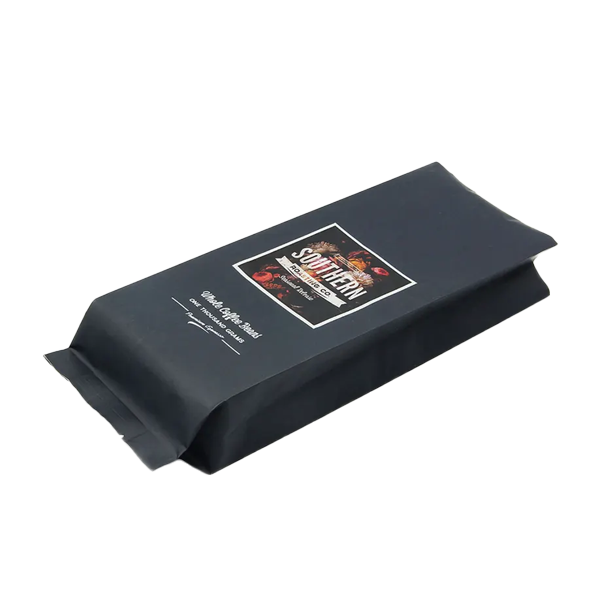
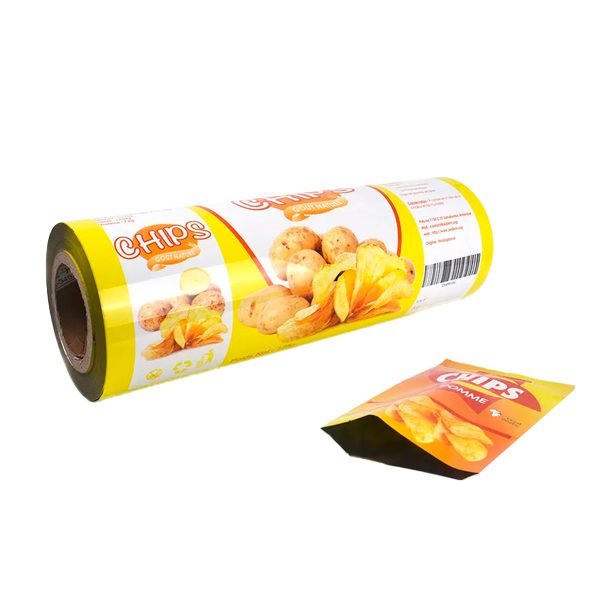
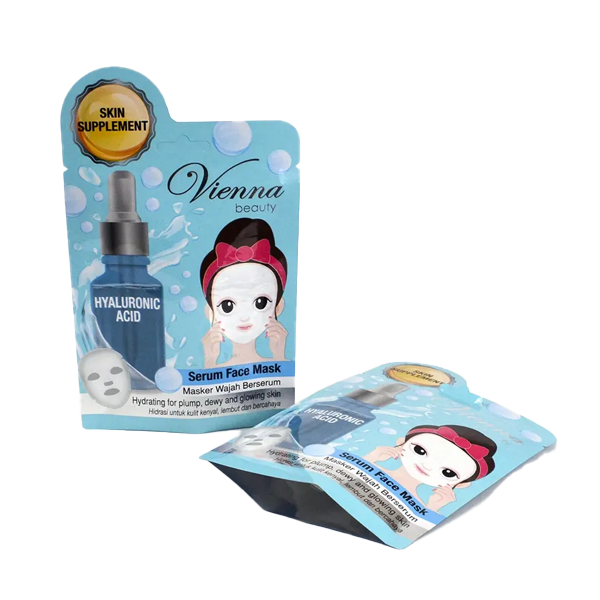
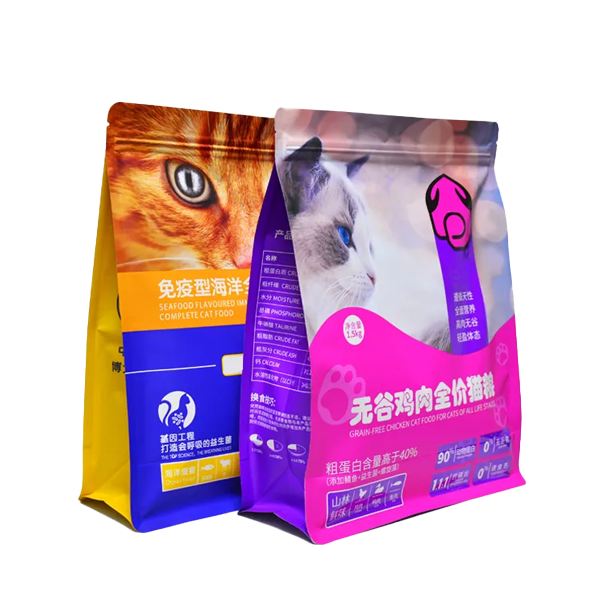
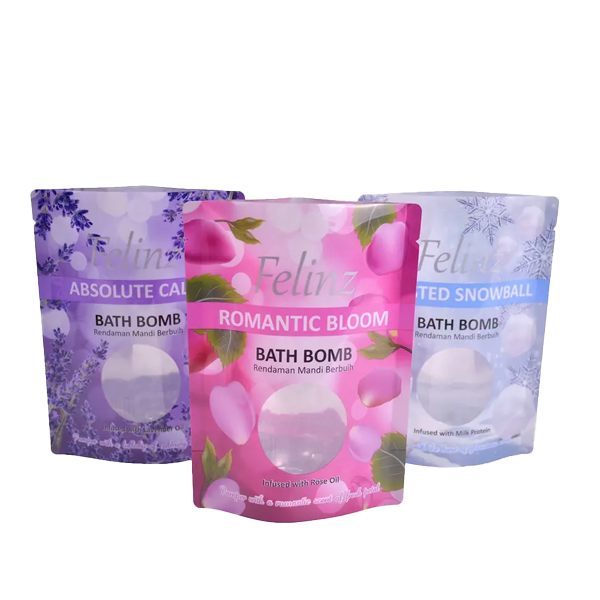
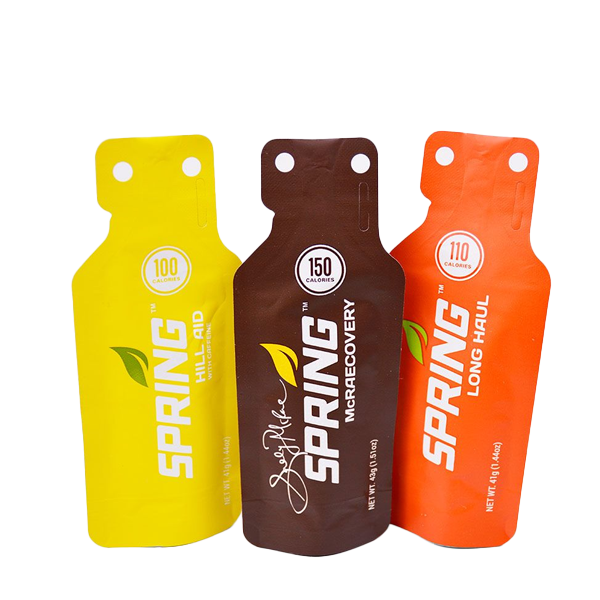
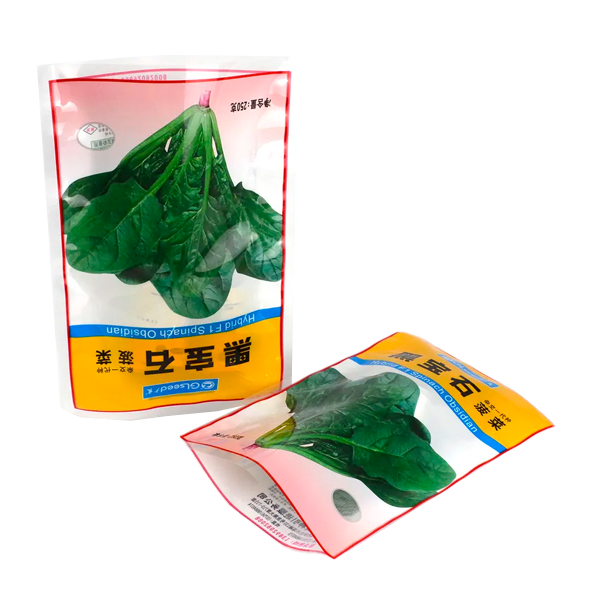
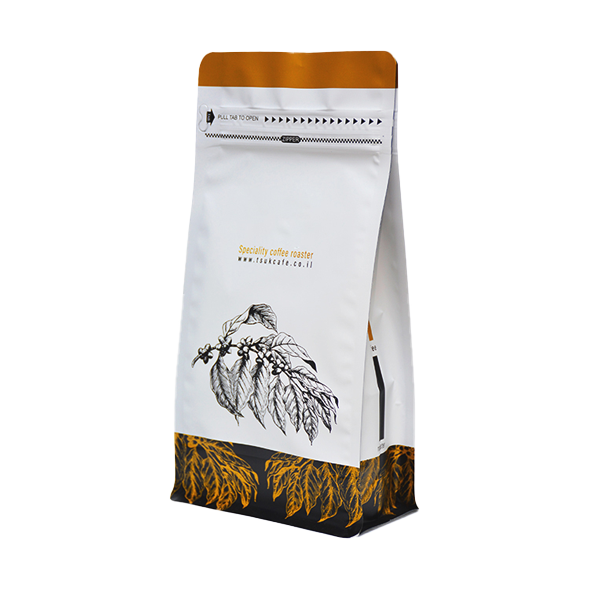
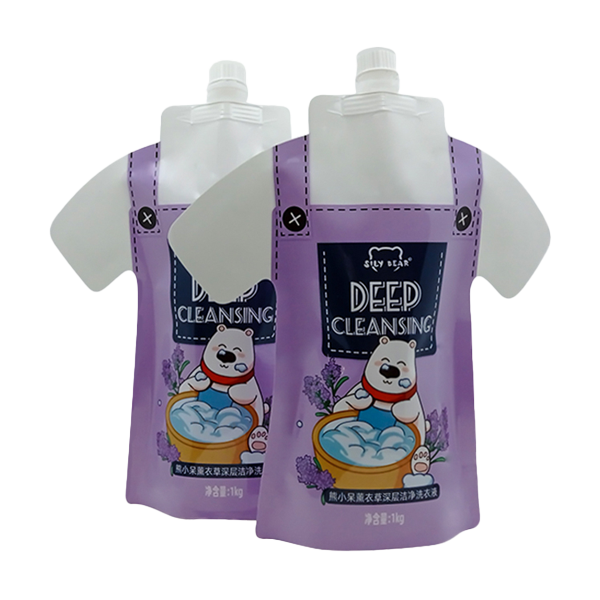
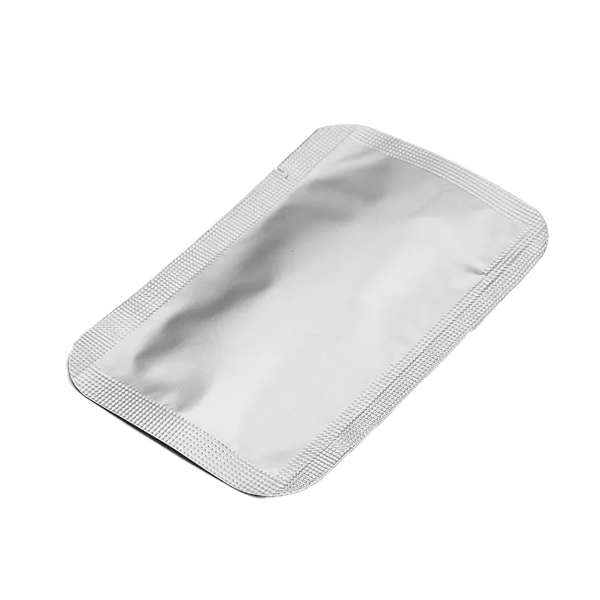
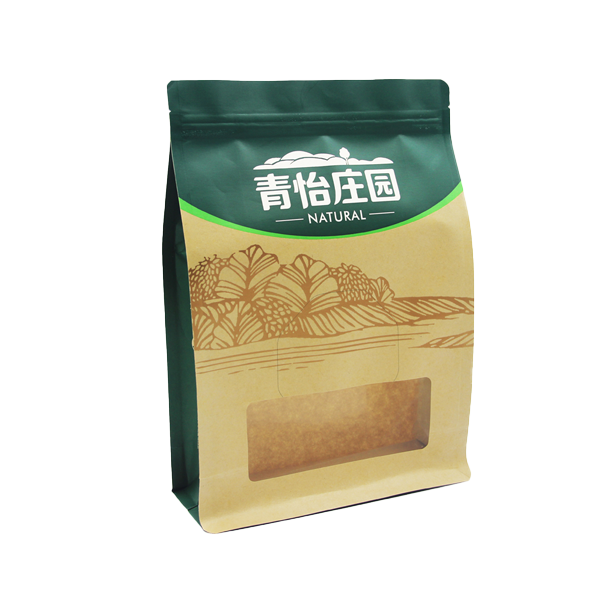
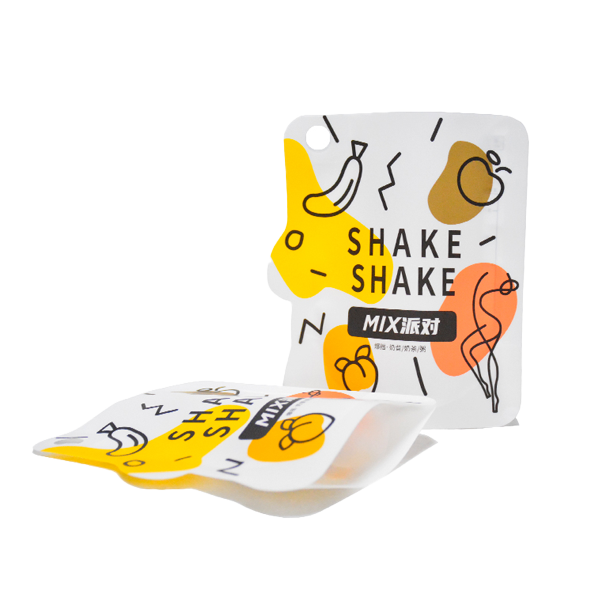
Food packaging bags come in various types, each designed to cater to specific needs. Some popular types include resealable bags, stand-up pouches, vacuum bags, and flat bags. Resealable bags offer convenience by allowing customers to open and reseal the bag multiple times, while stand-up pouches are ideal for displaying products on shelves. Vacuum bags help preserve food freshness, and flat bags are versatile for packaging a wide range of food items.
2. Materials Used in Food Packaging Bags:
Food packaging bags are made using different materials, each offering unique properties. Common materials include polyethylene (PE), polypropylene (PP), and polyethylene terephthalate (PET). PE is widely used for its flexibility and moisture resistance, while PP provides excellent heat resistance. PET offers exceptional clarity and is often used for transparent food packaging bags.
3. Benefits of Food Packaging Bags:
Food packaging bags offer numerous benefits for both businesses and consumers. These bags help preserve the quality and freshness of food products, extending their shelf life. They also provide a barrier against moisture, oxygen, and other external elements, ensuring food safety. Additionally, food packaging bags are lightweight, convenient, and easily customizable, allowing businesses to showcase their brand and attract customers.
4. Usage Tips for Food Packaging Bags:
To maximize the effectiveness of food packaging bags, consider the following tips:
- Ensure the bags are properly sealed to maintain freshness.
- Use appropriate bag sizes to prevent excessive air space and product movement.
- Store food packaging bags in a cool, dry place away from direct sunlight.
- Label bags with necessary product information such as expiration dates and ingredients.
- Consider eco-friendly options, such as biodegradable or compostable bags, to align with sustainability goals.
Conclusion:
Food packaging bags are essential for the packaging and printing industry. By understanding the various types, materials, benefits, and usage tips associated with food packaging bags, businesses can make informed decisions to enhance product presentation, safety, and shelf life. Stay ahead in the ever-evolving service industry by incorporating the right food packaging bags that align with your brand and customer needs.
Keywords:Food Packaging Bag
Related News

One stop packaging customization service

You can email us
Coco Ma, Email: coco@zhongbao-group.com
Carrie Chan, Email: sales7@zhongbao-group.com
Office
Add: Room 1501, Building D, Suijin Center, No. 57, Jinshi 4th Road, Dayuan Street, Baiyun District, Guangzhou, Guangdong Province, China
Factory
Add: 2F, Building B, Ye Yi 'an Plant, Pingtang Industrial Park, Guanyao Dalan, Shishan Town, Nanhai District, Foshan City, China