news
How Food Packaging Bags Revolutionize the Way We Store and Transport Food
Release Time:2023-11-22
Table of Contents:
1. Introduction: Enhancing Food Storage and Transportation with Packaging Bags
2. The Evolution of Food Packaging Bags
3. Advantages of Food Packaging Bags
3.1 Preserving Freshness and Quality
3.2 Extending Shelf Life
3.3 Ensuring Hygiene and Safety
3.4 Enhancing Convenience and Portability
4. Types of Food Packaging Bags
4.1 Resealable Bags
4.2 Vacuum Sealed Bags
4.3 Stand-Up Pouches
4.4 Ziplock Bags
4.5 Biodegradable Bags
5. Innovative Features in Food Packaging Bags
5.1 Oxygen Barrier Technology
5.2 Moisture Control
5.3 Temperature Regulation
5.4 UV Protection
5.5 Tamper-Proof Seals
6. Sustainable Packaging Solutions
6.1 Eco-Friendly Materials
6.2 Minimalistic Design
6.3 Recycling Initiatives
7. Food Packaging Bags and Consumer Behavior
7.1 Branding and Marketing
7.2 Consumer Convenience
7.3 Perception of Quality and Freshness
7.4 Portion Control and Food Waste Reduction
8. FAQs about Food Packaging Bags
8.1 Are food packaging bags safe for storing all types of food?
8.2 Can food packaging bags be reused?
8.3 Are biodegradable bags a sustainable option?
8.4 How do packaging bags help in reducing food waste?
8.5 Are there any regulations regarding food packaging bags?
9. Conclusion: A Paradigm Shift in Food Storage and Transportation
1. Introduction: Enhancing Food Storage and Transportation with Packaging Bags
Food packaging bags have revolutionized the way we store and transport food, bringing significant advancements in preserving freshness, ensuring hygiene, and optimizing logistics. These bags offer innovative features and sustainable solutions that cater to the evolving needs of the food industry.
2. The Evolution of Food Packaging Bags
Over the years, food packaging bags have undergone remarkable transformations in terms of materials, design, and functionality. From traditional plastic bags to advanced multi-layered packaging, the industry has witnessed a continuous strive towards efficiency and sustainability.
3. Advantages of Food Packaging Bags
3.1 Preserving Freshness and Quality
Food packaging bags act as a protective barrier against external factors like air, moisture, and light. By limiting exposure to these elements, the bags help in maintaining the freshness, flavor, and nutritional value of the stored food.
3.2 Extending Shelf Life
Innovative packaging technologies incorporated in food packaging bags, such as oxygen barrier technology and moisture control, play a vital role in extending the shelf life of perishable food items. This enables food producers to reduce waste and increase product availability.
3.3 Ensuring Hygiene and Safety
Packaging bags provide a hygienic and safe environment for food storage by preventing contamination from external sources. Tamper-proof seals and quality control measures further enhance the safety of the packaged food.
3.4 Enhancing Convenience and Portability
The convenience offered by food packaging bags cannot be overlooked. With features like resealable options and easy-to-carry designs, these bags make it effortless for consumers to store, transport, and consume their favorite food items on the go.
4. Types of Food Packaging Bags
4.1 Resealable Bags
Resealable bags are a popular choice for storing snacks, frozen foods, and leftovers. With an airtight seal, they ensure the freshness and prevent any spillage or odor contamination.
4.2 Vacuum Sealed Bags
Vacuum sealed bags are widely used for preserving perishable food items. By removing air from the package, these bags slow down the food degradation process, reducing the risk of spoilage.
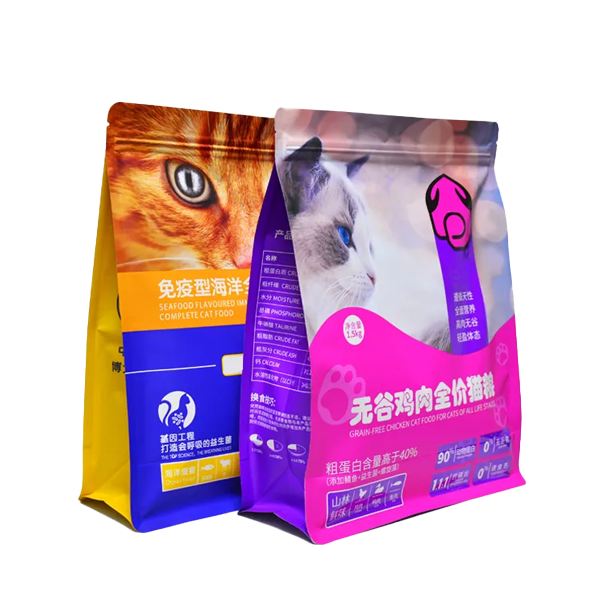
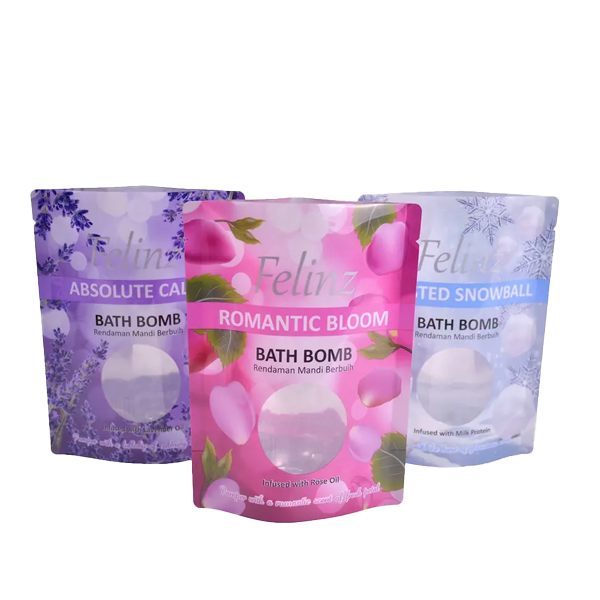
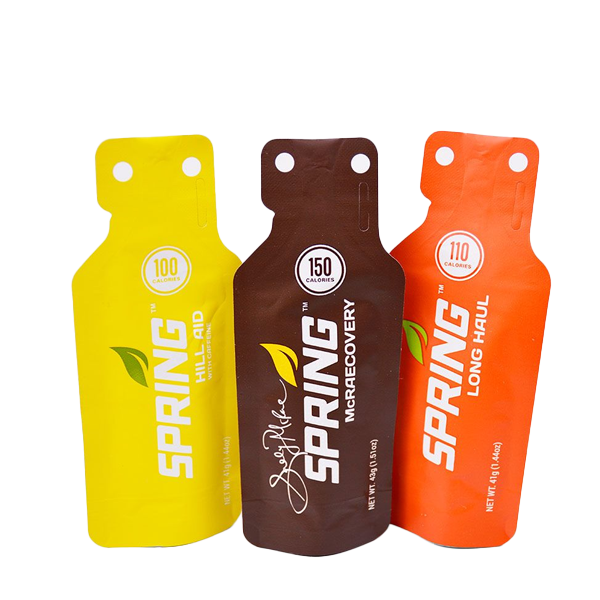
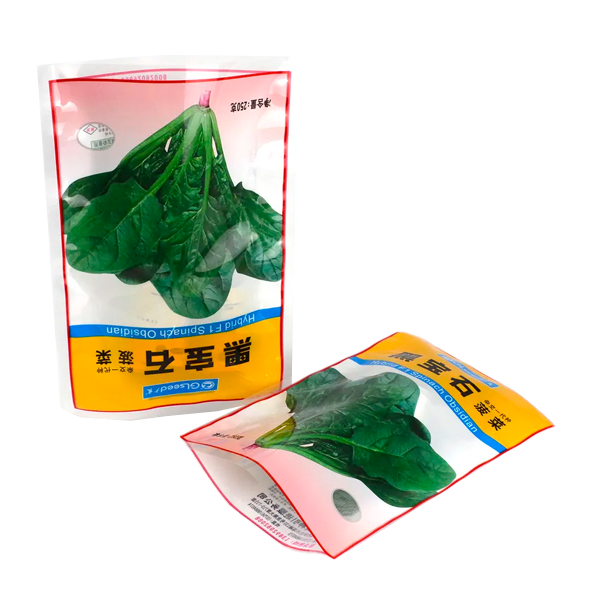
4.3 Stand-Up Pouches
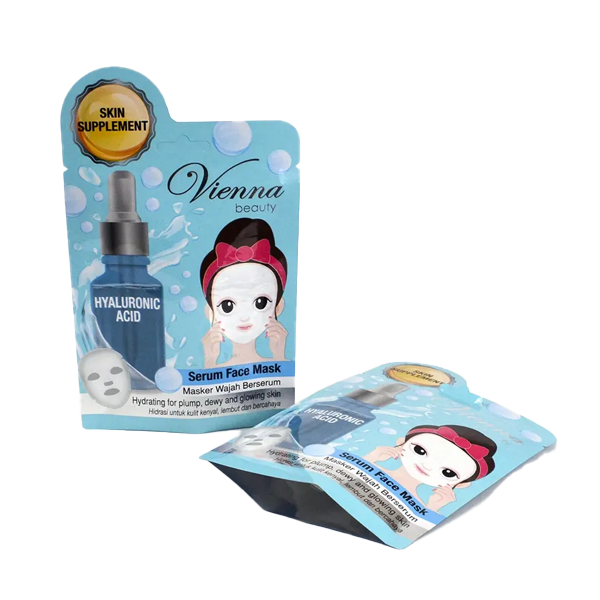
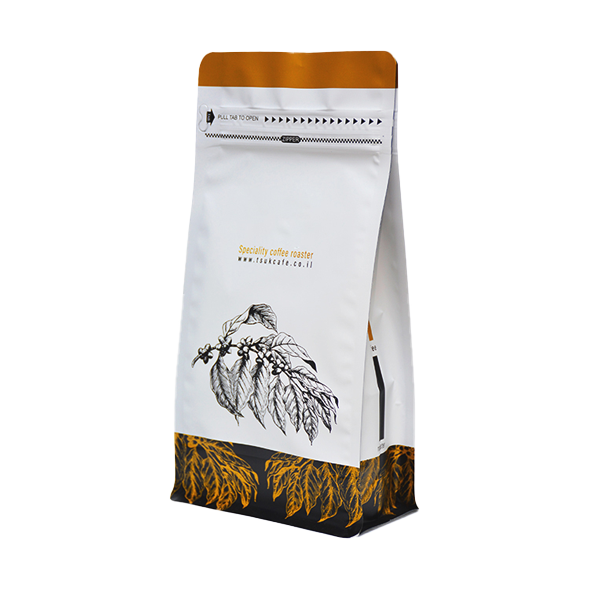
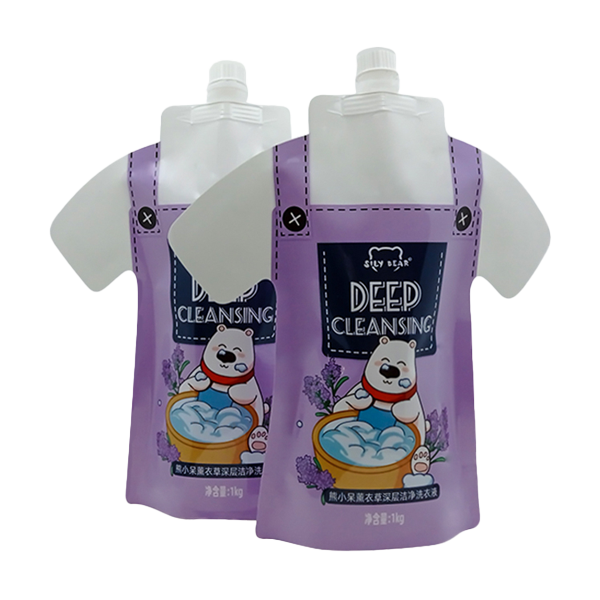
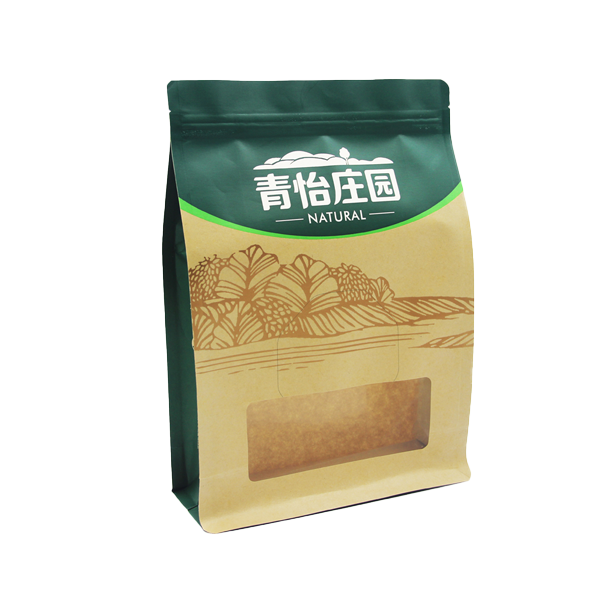
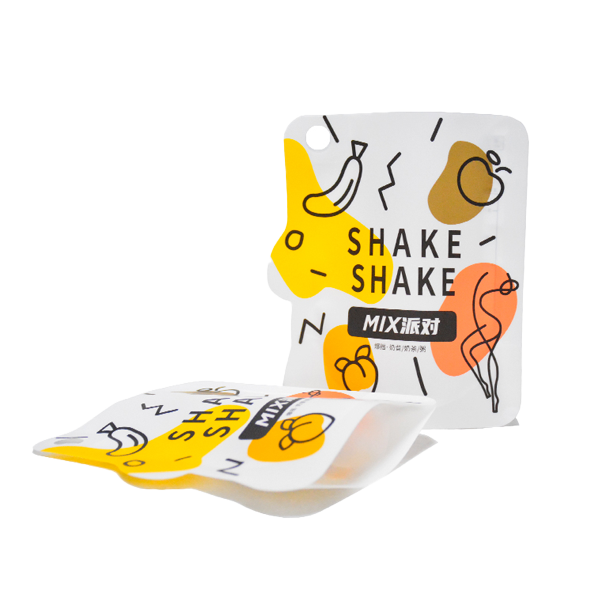
Stand-up pouches are versatile packaging solutions that offer a combination of functionality and visual appeal. Their self-standing design makes them ideal for storing a variety of food products, ranging from grains and cereals to sauces and beverages.
4.4 Ziplock Bags
Ziplock bags are known for their convenience and reusability. These bags come with a reliable zip seal that allows users to open and close them multiple times, ensuring easy access to the stored food.
4.5 Biodegradable Bags
As sustainability gains importance, biodegradable food packaging bags have emerged as an eco-friendly alternative to traditional plastics. These bags decompose naturally, minimizing their impact on the environment.
5. Innovative Features in Food Packaging Bags
5.1 Oxygen Barrier Technology
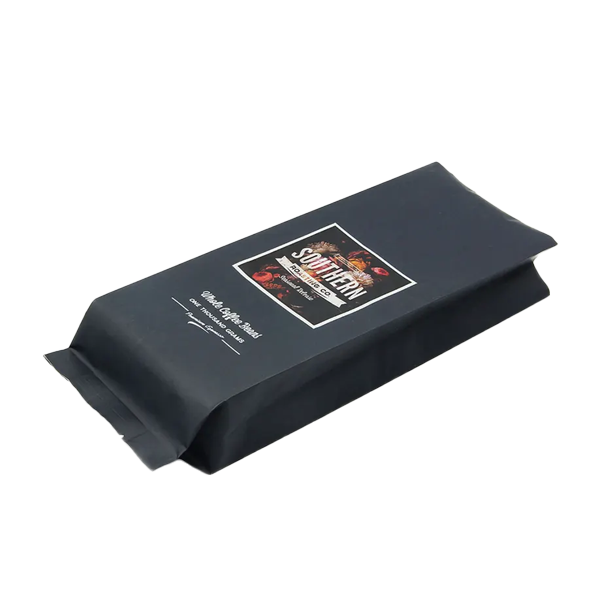
Oxygen barrier technology prevents the entry of oxygen into the packaging, reducing the oxidation process and increasing the shelf life of oxygen-sensitive food items like coffee, nuts, and spices.
5.2 Moisture Control
Moisture control features in packaging bags help regulate the humidity levels inside the package, preventing moisture-related issues like mold growth or texture degradation.
5.3 Temperature Regulation
Some food packaging bags incorporate insulating properties, allowing them to maintain the desired temperature of the stored food. This is particularly beneficial for products that require cold storage or protection from heat.
5.4 UV Protection
UV protection in packaging bags safeguards food items from the harmful effects of ultraviolet radiation, which can lead to nutrient degradation and discoloration.
5.5 Tamper-Proof Seals
Tamper-proof seals provide an additional layer of security by ensuring that the packaged food remains untouched and protected until opened by the consumer.
6. Sustainable Packaging Solutions
6.1 Eco-Friendly Materials
With increasing environmental concerns, food packaging bags are now being manufactured using biodegradable and compostable materials, reducing their ecological footprint.
6.2 Minimalistic Design
Minimalistic packaging designs aim to eliminate excessive material usage and promote sustainability. By opting for sleek designs, packaging bags reduce waste and optimize the use of resources.
6.3 Recycling Initiatives
Many food packaging bag manufacturers actively contribute to recycling initiatives. By using recycled materials and encouraging consumers to recycle the bags after use, they strive to create a circular economy.
7. Food Packaging Bags and Consumer Behavior
7.1 Branding and Marketing
Packaging bags with appealing designs and branding elements play a crucial role in attracting consumers' attention and influencing their purchasing decisions.
7.2 Consumer Convenience
The convenience offered by food packaging bags aligns with the evolving lifestyle preferences of consumers who seek quick and easy meal solutions.
7.3 Perception of Quality and Freshness
Well-designed packaging bags evoke a perception of quality and freshness in the minds of consumers, making them more likely to choose products packaged in these bags.
7.4 Portion Control and Food Waste Reduction
Portion control features in packaging bags help consumers manage their food portions effectively, reducing food waste and promoting sustainable consumption.
8. FAQs about Food Packaging Bags
8.1 Are food packaging bags safe for storing all types of food?
Yes, food packaging bags are designed to safely store a wide range of food items, including dry goods, frozen products, and liquids. However, it is essential to choose bags specifically suitable for the type of food being stored.
8.2 Can food packaging bags be reused?
Yes, many food packaging bags, such as resealable and ziplock bags, are designed for multiple uses. Ensure proper cleaning and maintenance to ensure their longevity.
8.3 Are biodegradable bags a sustainable option?
Biodegradable bags offer a more sustainable alternative to traditional plastics, as they break down naturally over time. However, proper disposal practices and recycling facilities are important to maximize their environmental benefits.
8.4 How do packaging bags help in reducing food waste?
Food packaging bags with features like extended shelf life, portion control, and freshness preservation contribute to reducing food waste by minimizing spoilage and optimizing consumption.
8.5 Are there any regulations regarding food packaging bags?
Yes, various regulations govern food packaging bags to ensure safety, labeling requirements, and environmental standards. It is crucial for manufacturers and consumers to adhere to these regulations.
9. Conclusion: A Paradigm Shift in Food Storage and Transportation
Food packaging bags have undoubtedly revolutionized the way we store and transport food. With their innovative features, sustainable solutions, and convenience-enhancing designs, these bags not only ensure food safety and quality but also optimize the entire supply chain. As the food industry continues to evolve, packaging bags will play a vital role in meeting the ever-changing needs of consumers and the environment.
Keywords:Food Packaging Bag
Related News

One stop packaging customization service

You can email us
Coco Ma, Email: coco@zhongbao-group.com
Carrie Chan, Email: sales7@zhongbao-group.com
Office
Add: Room 1501, Building D, Suijin Center, No. 57, Jinshi 4th Road, Dayuan Street, Baiyun District, Guangzhou, Guangdong Province, China
Factory
Add: 2F, Building B, Ye Yi 'an Plant, Pingtang Industrial Park, Guanyao Dalan, Shishan Town, Nanhai District, Foshan City, China