The Role of Food Packaging Bags in Maintaining Product Freshness: A Comprehensive Guide
Release Time:2024-01-28
In today's fast-paced world, food packaging bags play a vital role in maintaining the freshness and quality of products. They serve as a protective barrier, safeguarding the contents from external factors such as air, moisture, light, and contaminants. The right packaging not only extends the shelf life of products but also ensures that they reach consumers in optimal condition.
2. Choosing the Right Packaging Materials
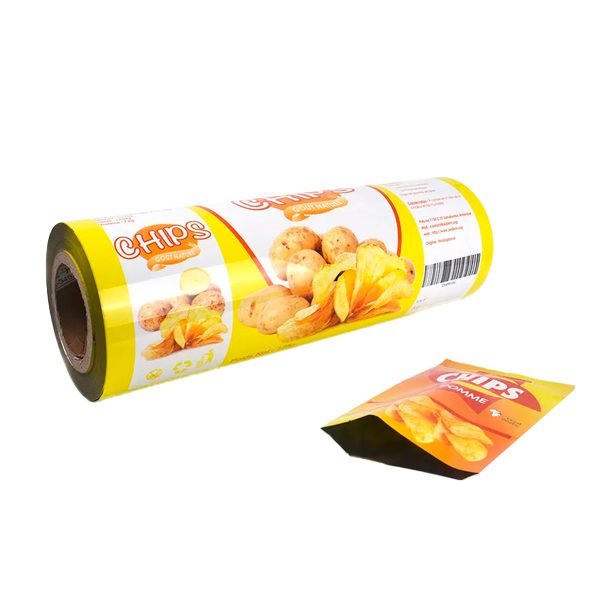
Selecting the appropriate packaging materials is crucial in preserving product freshness. Factors such as the type of food, desired shelf life, and packaging requirements should be considered. Common materials used for food packaging bags include plastic films, aluminum foil, paper, and biodegradable materials. Each material has its unique properties, strengths, and limitations.
3. Understanding the Impact of Packaging on Product Shelf Life
The quality and design of food packaging bags directly influence the shelf life of products. Oxygen, moisture, light, and temperature are major factors that can compromise freshness. Packaging with excellent barrier properties helps prevent oxidation, moisture absorption, UV light exposure, and temperature fluctuations, thereby preserving the product's quality for an extended period.
4. Types of Food Packaging Bags
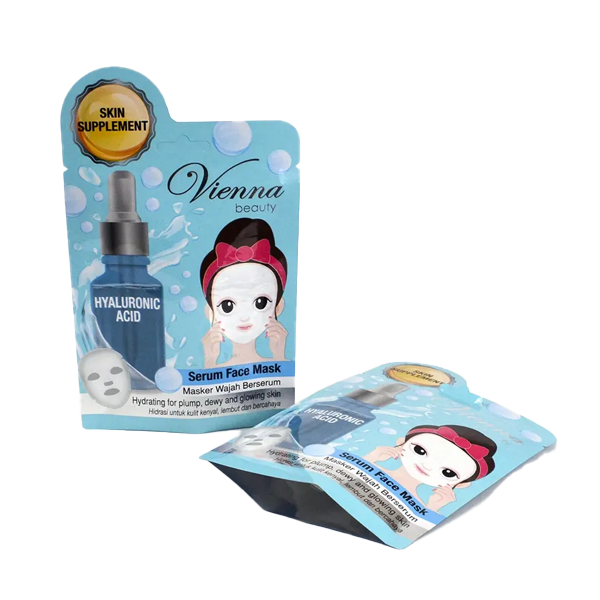
4.1. Stand-Up Pouches
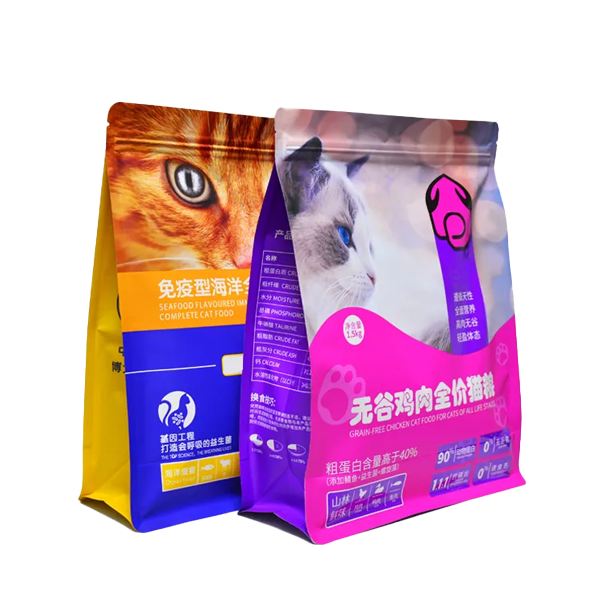
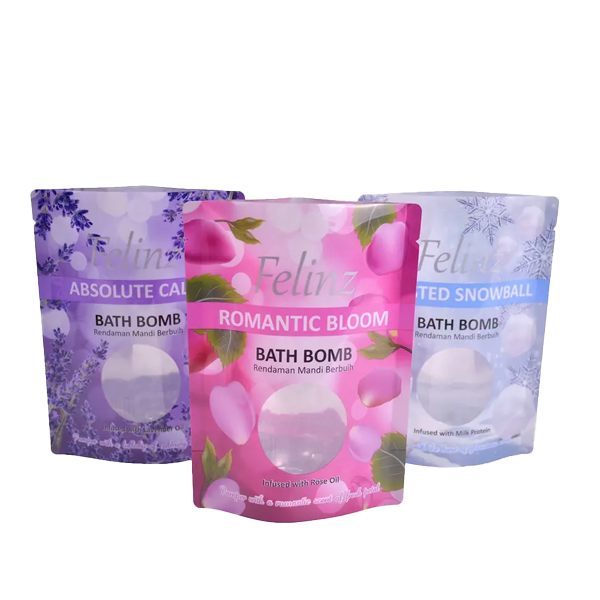
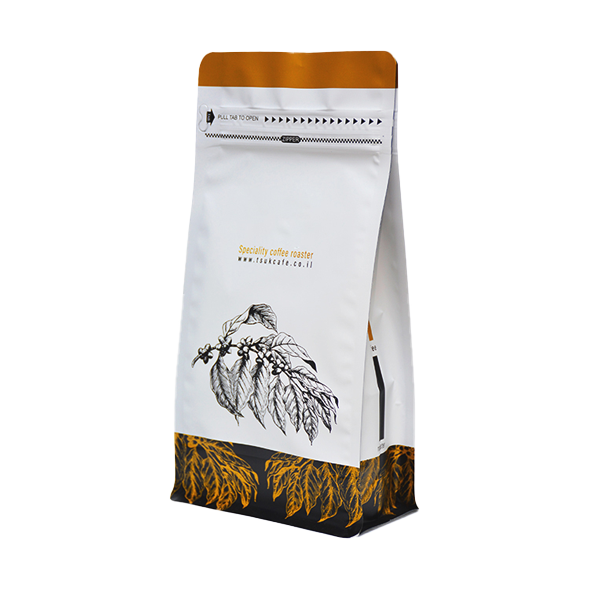
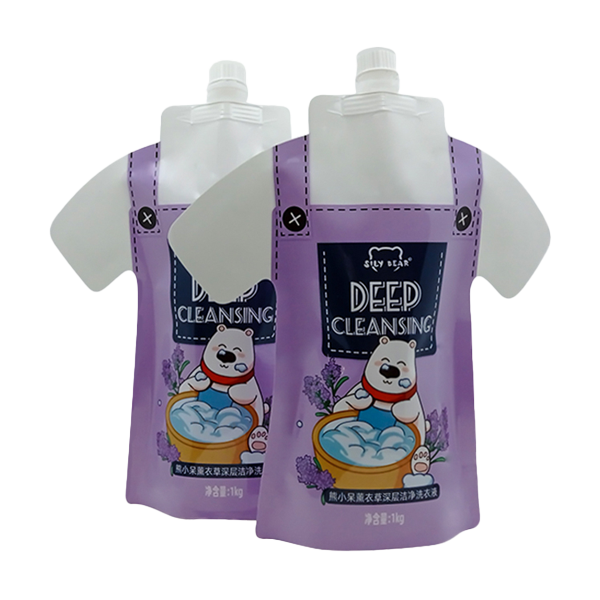
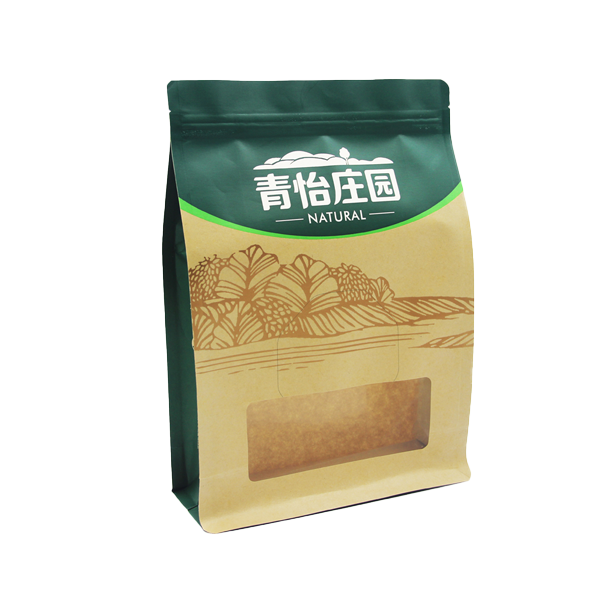
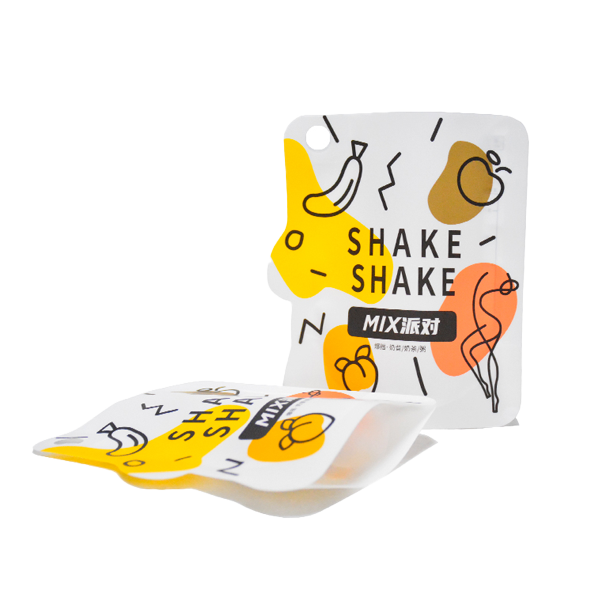
These versatile bags are popular for their stability, convenience, and attractive display. Stand-up pouches are suitable for a wide range of food products, including snacks, coffee, pet food, and more.
4.2. Ziplock Bags
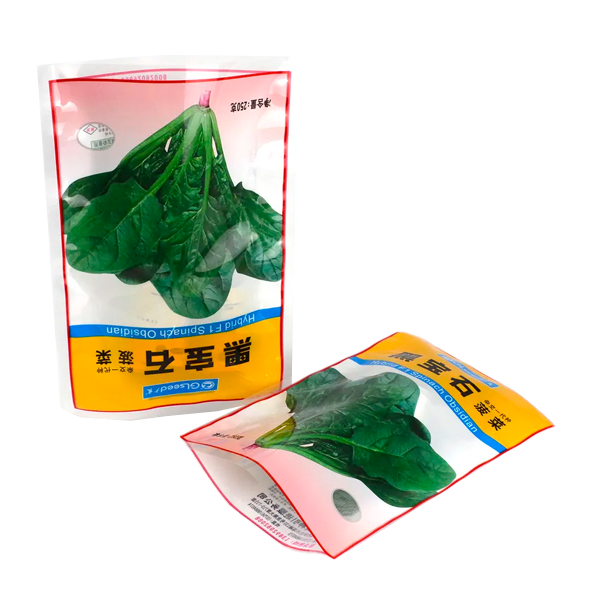
Ziplock bags offer resealable functionality, allowing consumers to conveniently open and close the packaging multiple times. They are ideal for storing snacks, frozen food, spices, and other perishable items.
4.3. Vacuum Sealed Bags
Vacuum sealed bags remove air from the packaging, creating a vacuum environment that prevents spoilage and extends shelf life. They are commonly used for meat, cheese, and other perishable food items.
4.4. Retort Pouches
Retort pouches are specifically designed for heat sterilization, making them suitable for ready-to-eat meals and pre-packaged foods that require long shelf life without refrigeration.
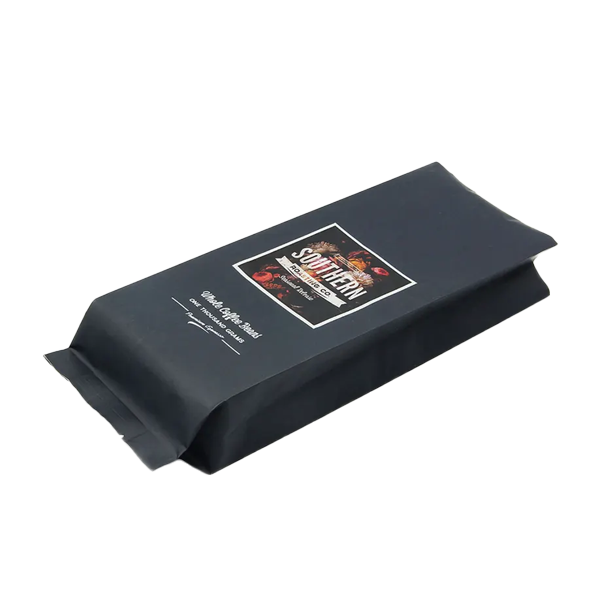
4.5. Gusseted Bags
Gusseted bags have expandable sides that provide extra space for bulkier products. They are commonly used for packaging coffee beans, grains, and other dry food items.
5. Enhancing Product Freshness through Packaging
5.1. Oxygen Barrier Properties
Effective food packaging bags should have excellent oxygen barrier properties to prevent the oxidation process, which can lead to product spoilage and quality deterioration.
5.2. Moisture Resistance
Moisture can accelerate the growth of bacteria, mold, and yeast, leading to food degradation. Packaging bags with moisture-resistant properties help maintain the desired moisture content and prevent microbial growth.
5.3. Light Protection
Exposure to light, especially UV rays, can degrade the quality of certain food products. Packaging bags with light-blocking capabilities protect against light-induced degradation and maintain product freshness.
5.4. Aroma Preservation
Certain food products rely on their distinctive aromas for sensory appeal. Packaging bags with aroma barriers prevent aroma loss, ensuring that the product retains its enticing scent.
6. The Importance of Convenience and User Experience
Apart from preserving freshness, food packaging bags should also provide convenience to consumers. Easy-to-open features, resealable options, and user-friendly designs contribute to a positive customer experience, ultimately enhancing brand loyalty.
7. Sustainability and Eco-Friendly Packaging
With increasing environmental concerns, businesses are actively adopting sustainable packaging solutions. Biodegradable materials, recyclable packaging, and reduced carbon footprints are some of the eco-friendly initiatives that contribute to a greener future.
8. Frequently Asked Questions (FAQs)
FAQ 1: Can food packaging bags be recycled?
Answer: Yes, many food packaging bags can be recycled. However, it's important to check local recycling guidelines and ensure proper disposal.
FAQ 2: How do food packaging bags help in reducing food waste?
Answer: Food packaging bags help extend the shelf life of products, reducing the chances of spoilage and waste.
FAQ 3: Are food packaging bags safe for storing perishable items?
Answer: Yes, food packaging bags designed for perishable items undergo extensive testing to ensure safety and compliance with health regulations.
FAQ 4: Can food packaging bags be reused?
Answer: Some food packaging bags can be reused, depending on the material and intended use. It's essential to follow guidelines and consider hygiene factors.
FAQ 5: What are the regulations and standards for food packaging bags?
Answer: Food packaging bags are subject to various regulations and standards that ensure safety, hygiene, and product quality. These regulations may vary across different regions.
9. Conclusion: Investing in Quality Food Packaging Bags for Freshness and Success
In conclusion, food packaging bags play a vital role in maintaining product freshness, extending shelf life, and enhancing the overall customer experience. By choosing the appropriate packaging materials, considering key factors such as oxygen and moisture resistance, and prioritizing convenience and sustainability, businesses can establish a competitive edge in the food industry. Investing in high-quality food packaging bags is a worthwhile investment that contributes to product integrity, customer satisfaction, and long-term success.
Keywords:Food Packaging Bag oem
Related News

One stop packaging customization service

You can email us
Coco Ma, Email: coco@zhongbao-group.com
Carrie Chan, Email: sales7@zhongbao-group.com
Office
Add: Room 1501, Building D, Suijin Center, No. 57, Jinshi 4th Road, Dayuan Street, Baiyun District, Guangzhou, Guangdong Province, China
Factory
Add: 2F, Building B, Ye Yi 'an Plant, Pingtang Industrial Park, Guanyao Dalan, Shishan Town, Nanhai District, Foshan City, China