news
Essential Insights into Food Packaging Bags for Your Business
Release Time:2024-11-20
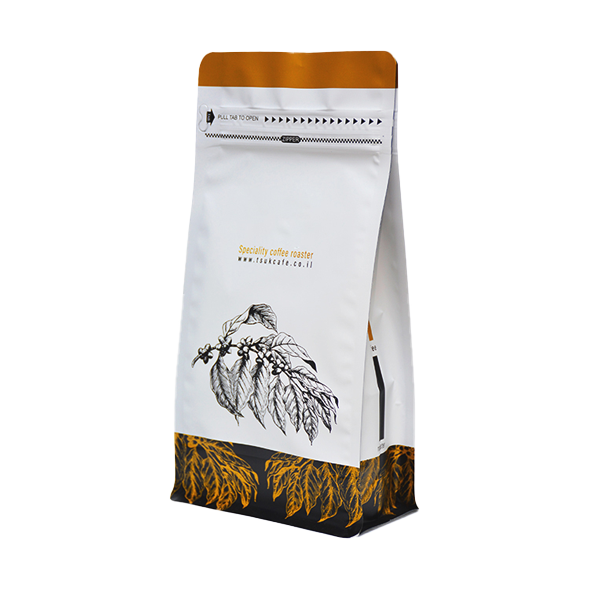
Food packaging bags play a pivotal role in the food industry, serving not only as a means of containment but also as a marketing tool. The design, material, and functionality of these bags can significantly influence consumer perceptions and purchasing decisions. Here are some essential considerations for businesses looking to maximize the impact of their food packaging bags.
**Material Selection**
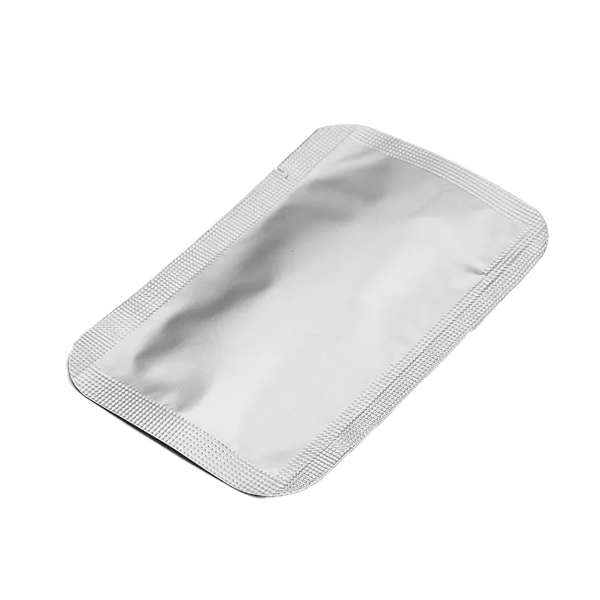
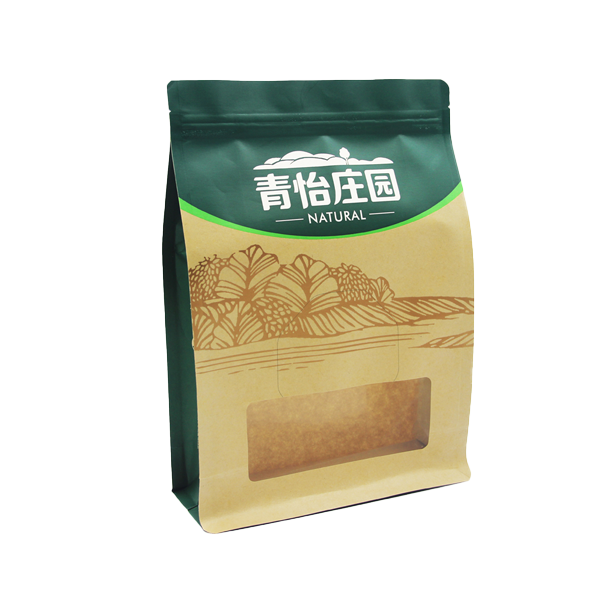
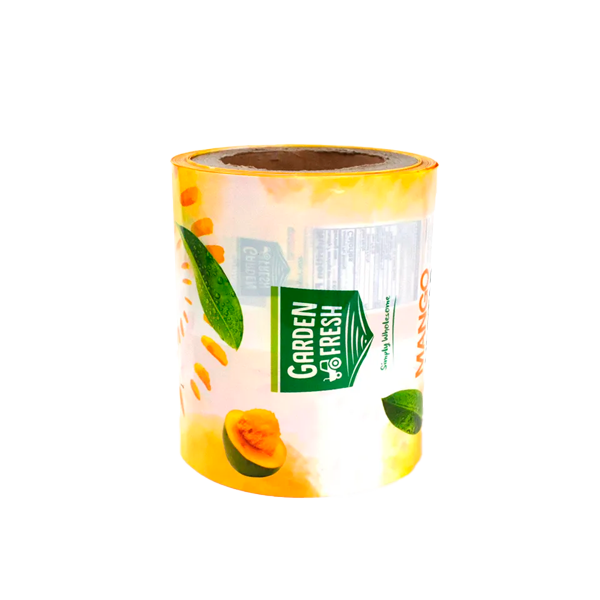
Choosing the right material for food packaging bags is crucial. Common options include polyethylene, polypropylene, and paper. Each material has its advantages, such as moisture resistance, durability, and printability. It's essential to assess the nature of your food product and determine the best material that will preserve freshness, prevent spoilage, and enhance shelf life.
**Sustainability Concerns**
With a growing emphasis on environmental sustainability, businesses are increasingly adopting eco-friendly packaging solutions. Biodegradable and compostable materials are becoming popular choices for food packaging bags. Adopting sustainable practices not only meets consumer demand but also positions your brand favorably in a competitive market.
**Design and Branding**
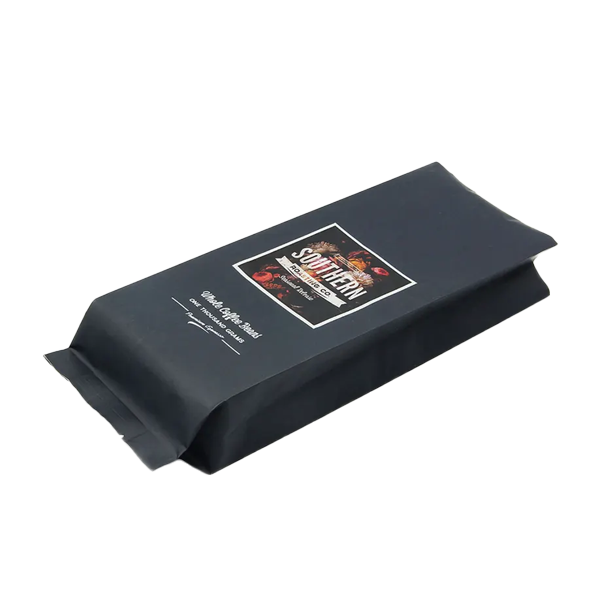
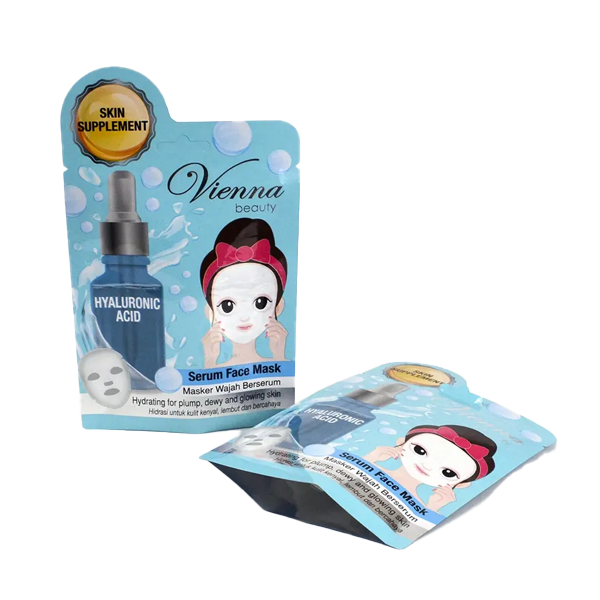
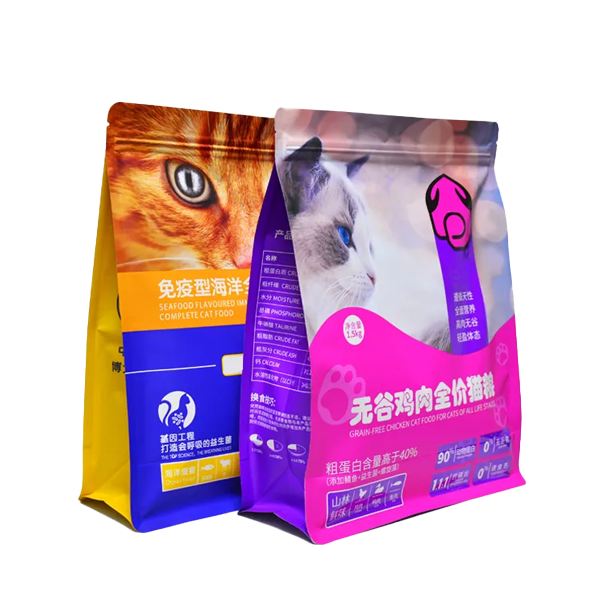
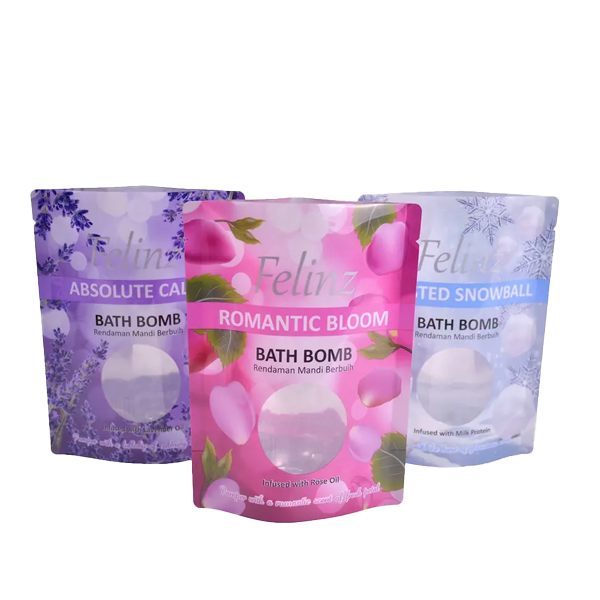
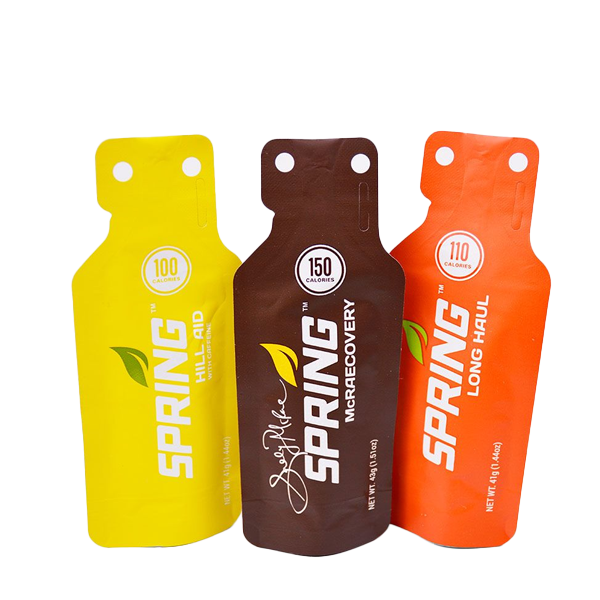
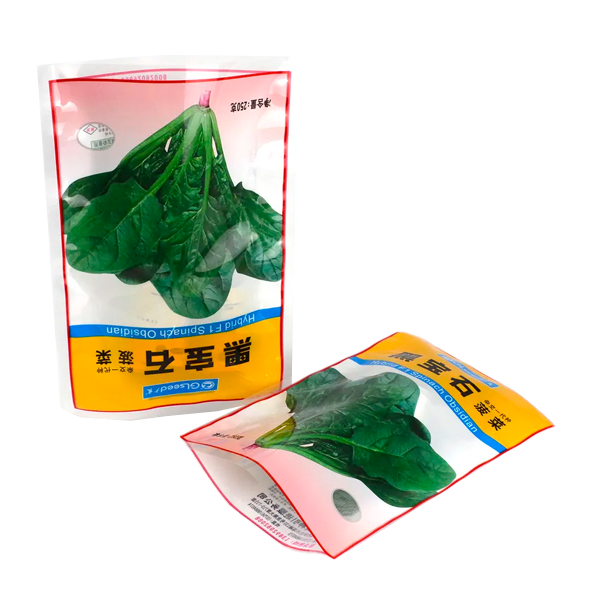
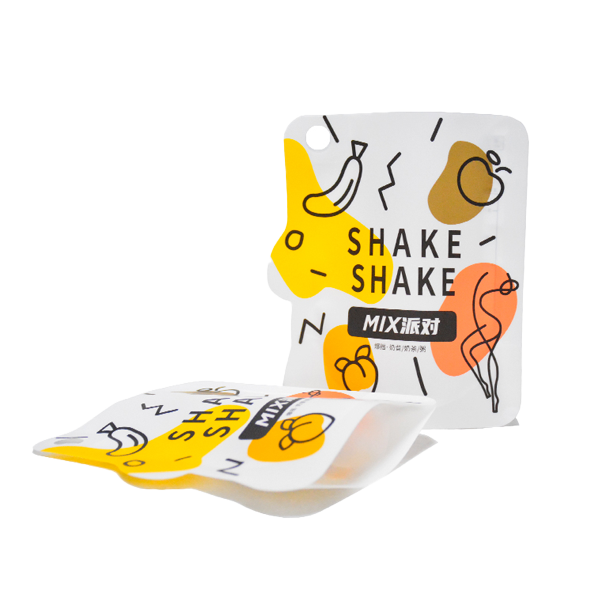
The design of food packaging bags is another critical factor that can influence customer choices. Eye-catching graphics, colors, and typography can create a strong brand identity and attract potential buyers. Consider incorporating clear information about the product, ingredients, and nutritional facts to build trust and encourage informed purchasing decisions.
**Size and Shape**
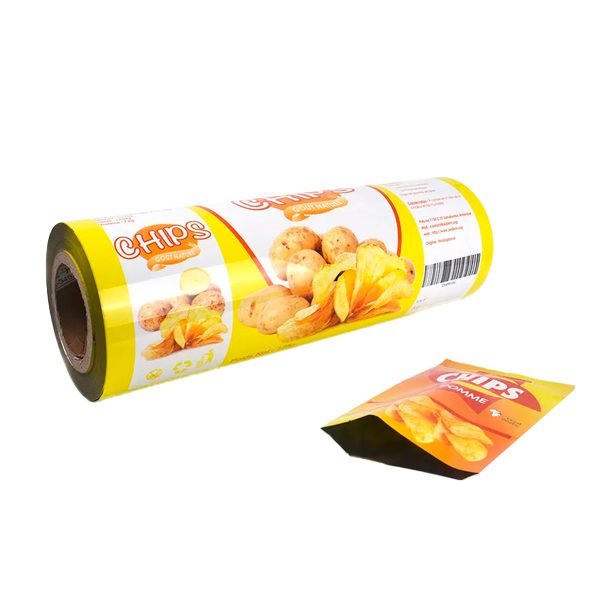
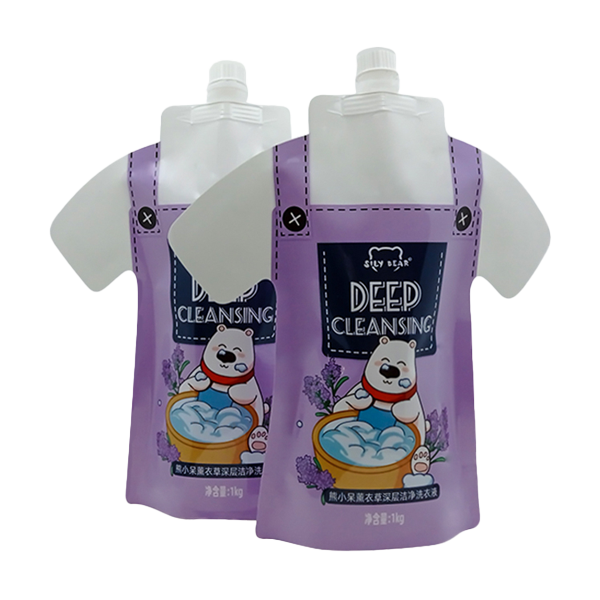
The size and shape of food packaging bags should align with the type of food product being offered. Whether it's snacks, liquids, or bulk items, selecting the appropriate size ensures optimal packaging efficiency and convenience for consumers. Custom shapes can also differentiate your product on the shelves, making it stand out among competitors.
**Regulatory Compliance**
Navigating the regulations surrounding food packaging is vital. Depending on your region, there may be specific guidelines regarding materials, labeling, and safety standards. Ensuring compliance not only avoids legal complications but also enhances consumer confidence in your product.
**Innovation in Packaging Technology**
The food packaging industry is continually evolving, with new technologies emerging to enhance functionality and appeal. Innovations such as resealable bags, vacuum sealing, and modified atmosphere packaging can extend shelf life and improve convenience for consumers. Staying updated on these trends can help your business maintain a competitive edge.
In summary, food packaging bags are more than mere containers; they are critical elements of your product's success. By understanding the importance of material selection, sustainability, design, size, regulatory compliance, and technological advancements, businesses can create effective packaging solutions that resonate with consumers and drive sales.
Keywords:Food Packaging Bag
Related News

One stop packaging customization service

You can email us
Coco Ma, Email: coco@zhongbao-group.com
Carrie Chan, Email: sales7@zhongbao-group.com
Office
Add: Room 1501, Building D, Suijin Center, No. 57, Jinshi 4th Road, Dayuan Street, Baiyun District, Guangzhou, Guangdong Province, China
Factory
Add: 2F, Building B, Ye Yi 'an Plant, Pingtang Industrial Park, Guanyao Dalan, Shishan Town, Nanhai District, Foshan City, China