news
The Economics of Pet Food Packaging Bags: Cost vs. Quality - A Comprehensive Guide
Release Time:2024-10-08
The Economics of Pet Food Packaging Bags: Cost vs. Quality
Table of Contents
- 1. Introduction to Pet Food Packaging Economics
- 2. Importance of Quality Packaging in Pet Food Industry
- 3. Understanding the Costs of Pet Food Packaging
- 4. Types of Materials Used in Pet Food Packaging
- 5. The Role of Quality in Packaging Decisions
- 6. Sustainability and Its Impact on Packaging Choices
- 7. Current Market Trends in Pet Food Packaging
- 8. Case Studies: Cost vs. Quality in Action
- 9. Conclusion: Striking the Right Balance
- 10. FAQs About Pet Food Packaging Economics
1. Introduction to Pet Food Packaging Economics
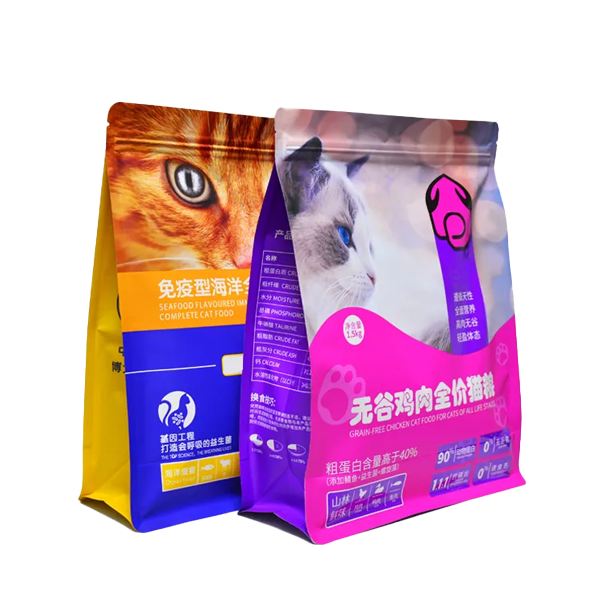
In the competitive world of pet food production, packaging plays a critical role in the overall success of a product. The economics of pet food packaging bags revolves around two primary factors: **cost** and **quality**. These elements are intertwined, influencing not only the manufacturing processes but also consumer perceptions and ultimately, sales. Understanding the balance between these components is essential for manufacturers aiming to optimize their packaging strategy.
2. Importance of Quality Packaging in Pet Food Industry
Quality packaging serves several vital functions in the pet food industry. First and foremost, it protects the product from environmental factors that could compromise its integrity, such as moisture, air, and light. Additionally, high-quality packaging enhances brand image and consumer trust. When pet owners see a well-packaged product, they are more likely to perceive it as premium and trustworthy.
Moreover, quality packaging can influence purchasing decisions. According to studies, consumers are drawn to packaging that is eye-catching and informative. Packaging that highlights the nutritional benefits and quality of ingredients can attract more customers, leading to increased market share.
Brand Differentiation
In an oversaturated market, packaging is often the first point of contact between consumers and products. Unique and high-quality packaging can differentiate a brand from its competitors, making it stand out on store shelves.
Regulatory Compliance
Quality packaging also ensures compliance with regulations regarding labeling and safety. Proper labeling provides consumers with essential information about the product, such as ingredient lists, nutritional information, and expiration dates, fostering transparency and trust.
3. Understanding the Costs of Pet Food Packaging
The costs associated with packaging can vary significantly based on several factors, including materials, production methods, and design complexity. It is essential for manufacturers to evaluate their packaging expenses in relation to the overall production budget.
Direct Costs
Direct costs refer to the expenses involved in purchasing packaging materials and production. This includes the cost of raw materials, labor for packaging production, and any machinery or tools needed for packaging.
Indirect Costs
Indirect costs encompass expenses that are not directly tied to production but still impact the overall packaging budget. This can include warehousing costs, transportation, and marketing expenditures related to packaging design and promotion.
Cost-Benefit Analysis
To make informed decisions about packaging, manufacturers should conduct a **cost-benefit analysis**. This involves weighing the potential benefits of high-quality packaging against its costs. While premium packaging may have a higher upfront cost, it can lead to increased sales and customer loyalty in the long run.
4. Types of Materials Used in Pet Food Packaging
Various materials are utilized in pet food packaging, each offering distinct advantages and disadvantages. Understanding these materials can help manufacturers choose the best option for their products.
Plastic
Plastic is one of the most commonly used materials for pet food packaging due to its lightweight and durability. It is resistant to moisture and provides a good barrier against air and light. However, environmental concerns regarding plastic waste have led to increased scrutiny of its use.
Paper and Cardboard
Paper and cardboard are often used for dry pet food packaging. They are recyclable and biodegradable, making them a more environmentally friendly choice. However, they may not provide the same level of protection against moisture and odors as plastic.
Metal
Metal packaging, such as cans, offers excellent protection against external factors and is widely recognized for its ability to preserve food quality. While metal is more expensive than plastic or paper, it is often perceived as a premium option, appealing to higher-end markets.
Compostable and Biodegradable Materials
With the increasing focus on sustainability, compostable and biodegradable materials are gaining popularity. These materials break down naturally, reducing environmental impact. However, they can be more expensive and may not offer the same shelf life as traditional materials.
5. The Role of Quality in Packaging Decisions
Quality in packaging encompasses various factors, including material integrity, design, and functionality. Each of these elements plays a crucial role in ensuring that the product remains safe and appealing to consumers.
Material Integrity
The durability and resilience of packaging materials directly impact the safety and shelf life of the pet food. High-quality materials minimize the risk of leaks, punctures, and contamination.
Design and Branding
An attractive design not only catches the eye but also communicates the brand’s values and product benefits. Quality design ensures that packaging is informative and engaging, enhancing consumer experience.
Functionality
Functionality refers to how well the packaging performs its intended purpose. This includes ease of opening, resealability, and portion control. Functional packaging enhances user experience, encouraging repeat purchases.
6. Sustainability and Its Impact on Packaging Choices
Sustainability has become a critical consideration in packaging decisions, driven by consumer demand for eco-friendly options. Brands that prioritize sustainable packaging can appeal to environmentally conscious consumers and differentiate themselves in a crowded market.
Consumer Preferences
Research indicates that a significant number of consumers are willing to pay more for products with sustainable packaging. This trend highlights the importance of aligning packaging choices with consumer values.
Regulatory Pressures
Governments and organizations are increasingly implementing regulations aimed at reducing plastic waste and promoting sustainability. Manufacturers must stay informed about these regulations to ensure compliance and avoid potential penalties.
7. Current Market Trends in Pet Food Packaging
Staying abreast of market trends is essential for manufacturers to remain competitive. Several key trends are shaping the future of pet food packaging.
Personalization
Consumers are seeking personalized products that cater to their pets' unique needs. Custom packaging solutions that include tailored messaging and ingredient transparency are becoming increasingly popular.
Smart Packaging
The rise of technology has led to the emergence of smart packaging solutions. These incorporate features like QR codes and NFC technology, allowing consumers to access additional information about the product and its ingredients.
Minimalist Packaging
A growing trend towards minimalism emphasizes clean design and reduced material usage. Brands are opting for simpler packaging strategies that focus on functionality and sustainability while still delivering essential information.
8. Case Studies: Cost vs. Quality in Action
Examining real-world case studies can provide valuable insights into the delicate balance between cost and quality in pet food packaging.
Case Study 1: A Premium Pet Food Brand
A premium pet food brand decided to invest in high-quality, biodegradable packaging. While the initial costs were higher, the brand saw a substantial increase in sales and customer loyalty as a result of their environmental commitment.
Case Study 2: A Budget-Friendly Pet Food Brand
Conversely, a budget-friendly pet food manufacturer focused on cost-cutting by opting for cheaper plastic packaging. Although this strategy reduced upfront costs, it ultimately led to negative consumer perceptions and a decline in sales due to quality concerns.
9. Conclusion: Striking the Right Balance
In conclusion, the economics of pet food packaging bags involves a complex interplay between **cost and quality**. Manufacturers must carefully consider their packaging choices to ensure they meet consumer demands while maintaining profitability. By evaluating material options, understanding market trends, and assessing the impact of sustainability, businesses can make informed decisions that promote long-term success.
10. FAQs About Pet Food Packaging Economics
What are the most common materials used in pet food packaging?
The most common materials include plastic, paper, cardboard, and metal. Each material has its advantages and disadvantages regarding cost, durability, and environmental impact.
How does packaging affect pet food shelf life?
High-quality packaging protects pet food from moisture, air, and light, significantly contributing to its shelf life and maintaining its nutritional value.
Why is sustainability important in pet food packaging?
Sustainability is essential due to increasing consumer awareness and demand for eco-friendly products. Brands that prioritize sustainable packaging can enhance their market appeal and align with consumer values.
How can brands differentiate themselves through packaging?
Brands can differentiate themselves by utilizing unique designs, high-quality materials, and innovative features, such as smart packaging, that provide additional value to consumers.
What role does packaging play in consumer purchasing decisions?
Packaging is often the first interaction consumers have with a product. Attractive and informative packaging can significantly influence purchasing decisions and brand loyalty.
Keywords:Pet Food Packaging Bag
Related News

One stop packaging customization service

You can email us
Coco Ma, Email: coco@zhongbao-group.com
Carrie Chan, Email: sales7@zhongbao-group.com
Office
Add: Room 1501, Building D, Suijin Center, No. 57, Jinshi 4th Road, Dayuan Street, Baiyun District, Guangzhou, Guangdong Province, China
Factory
Add: 2F, Building B, Ye Yi 'an Plant, Pingtang Industrial Park, Guanyao Dalan, Shishan Town, Nanhai District, Foshan City, China