news
Effective Marketing Strategies Using Food Snacks Packaging Bags
Release Time:2024-10-06
Effective Marketing Strategies Using Food Snacks Packaging Bags
Table of Contents
- 1. Introduction to Food Snacks Packaging
- 2. The Importance of Packaging in Food Marketing
- 3. Types of Food Snacks Packaging Bags
- 4. Designing the Perfect Packaging
- 5. Building a Strong Brand Identity Through Packaging
- 6. Current Trends in Food Snacks Packaging
- 7. Regulatory Considerations for Food Packaging
- 8. Frequently Asked Questions
- 9. Conclusion
1. Introduction to Food Snacks Packaging
In today's competitive snack food market, **packaging** plays a pivotal role in attracting customers. The right **food snacks packaging bag** not only protects the product but also serves as an effective marketing tool. With consumers being more conscious about health, sustainability, and branding, the way food snacks are packaged can significantly influence purchasing decisions.
2. The Importance of Packaging in Food Marketing
Packaging is often the first point of contact between a brand and its customers. A well-designed package serves multiple purposes:
1. **Protection**: Ensures the food remains fresh and safe to consume.
2. **Information**: Provides essential details such as ingredients, nutritional content, and usage.
3. **Attraction**: Captures attention on store shelves, encouraging impulse buys.
The **importance of packaging in food marketing** cannot be overstated. It not only helps convey the brand's message but also can differentiate your product from competitors.
3. Types of Food Snacks Packaging Bags
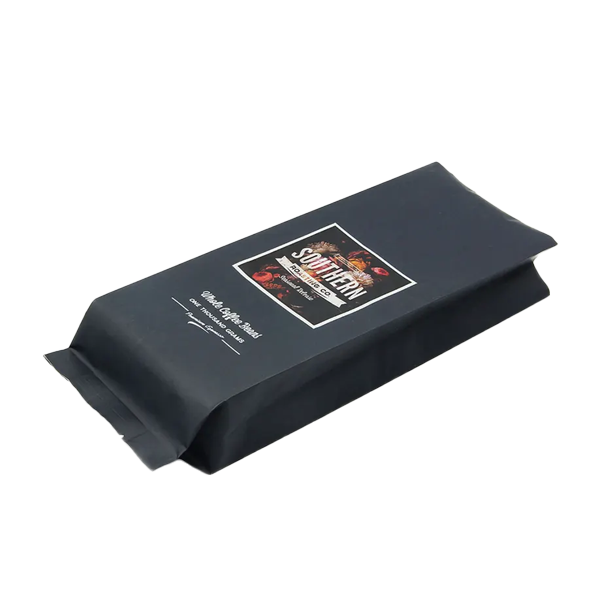
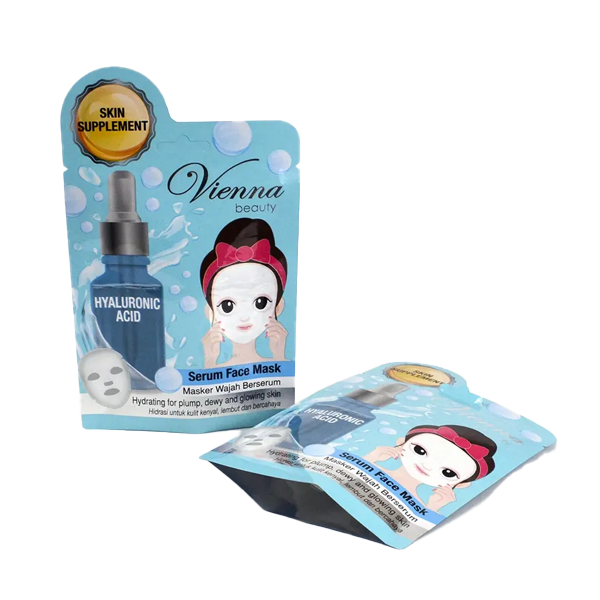
There are various **types of food snacks packaging bags** available, each catering to different needs.
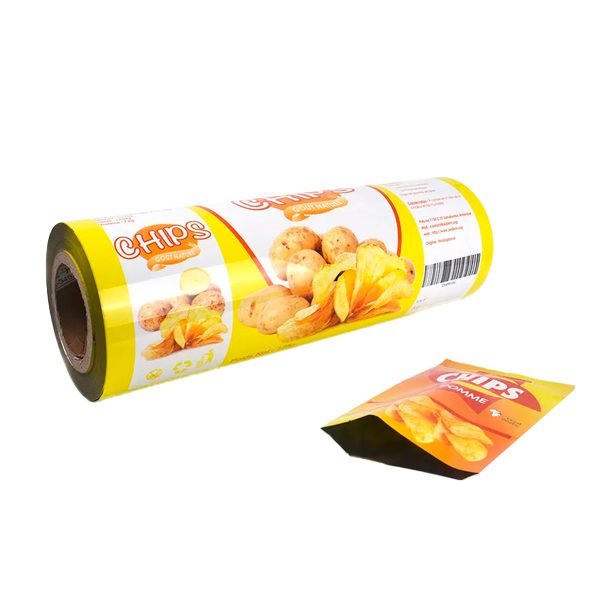
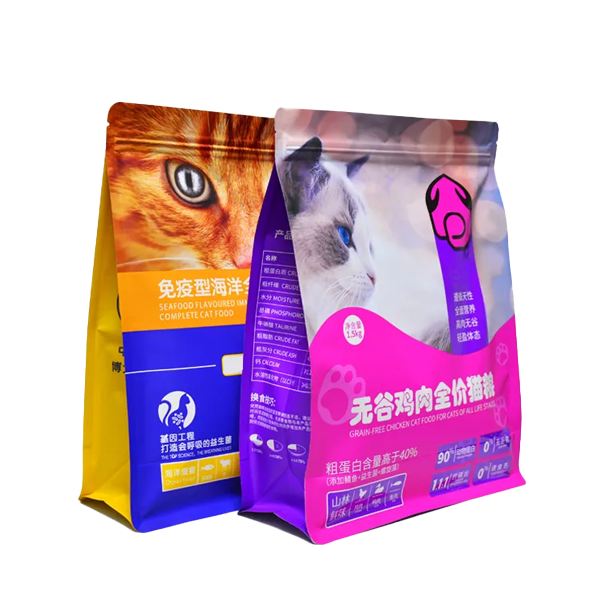
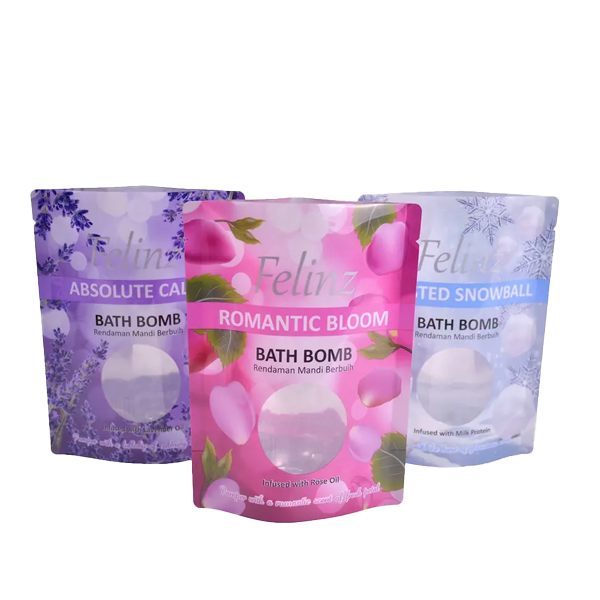
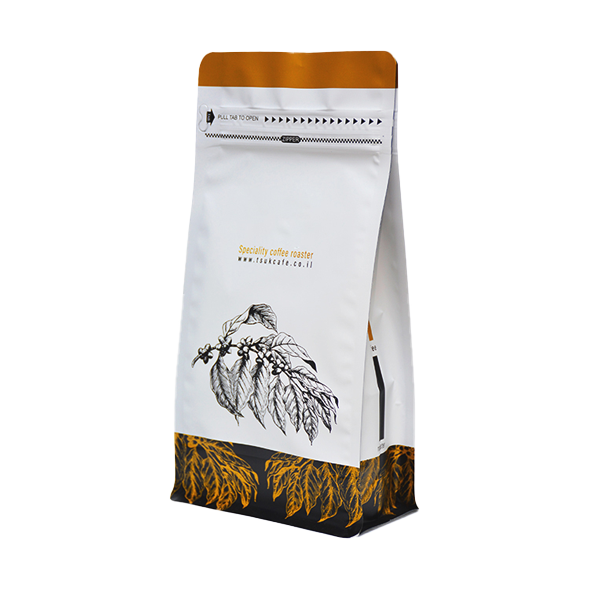
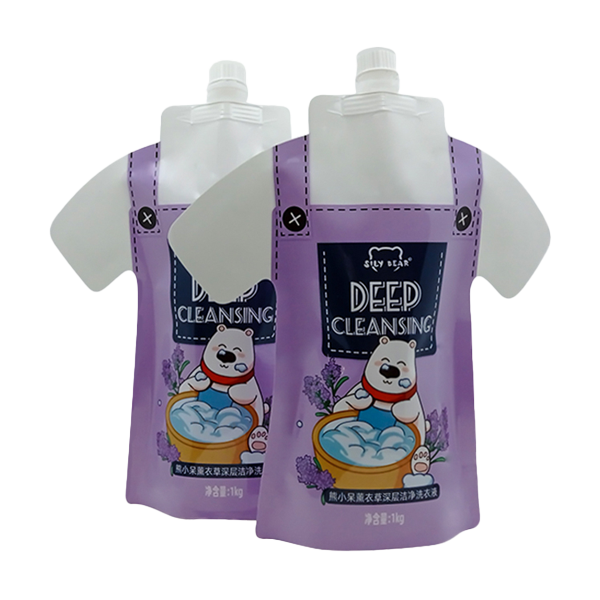
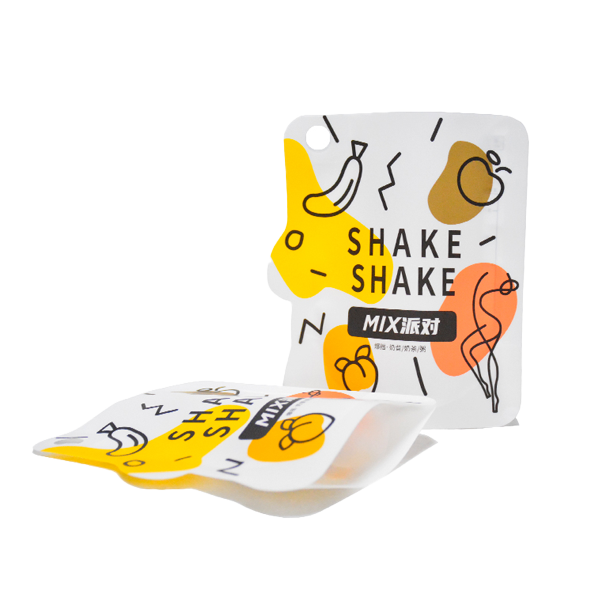
- **Stand-Up Pouches**: Ideal for snacks like granola or chips, they offer visibility and convenience.
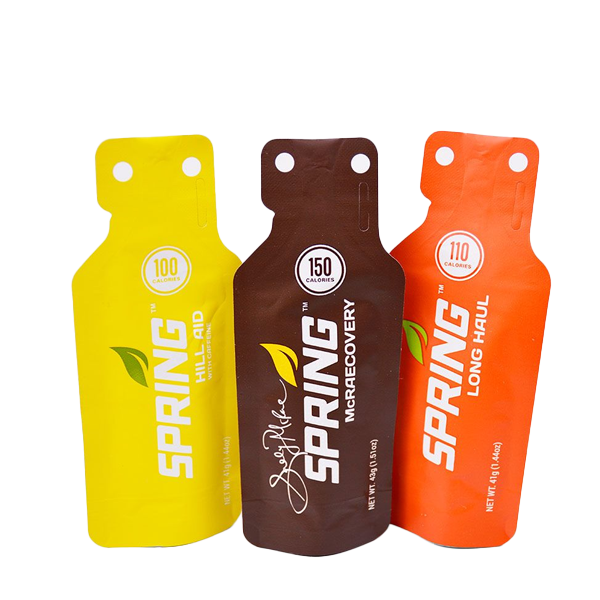
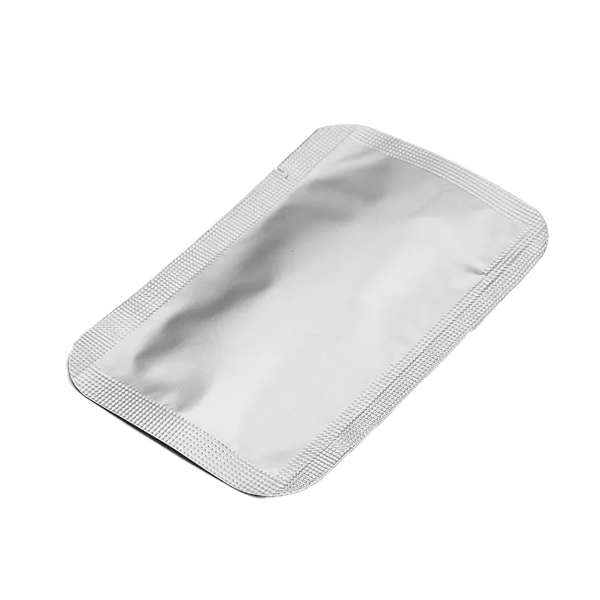
- **Flat Bags**: Commonly used for single-serve items, these bags are cost-effective and easy to store.
- **Ziplock Bags**: Perfect for re-sealable packaging, enhancing the product's usability.
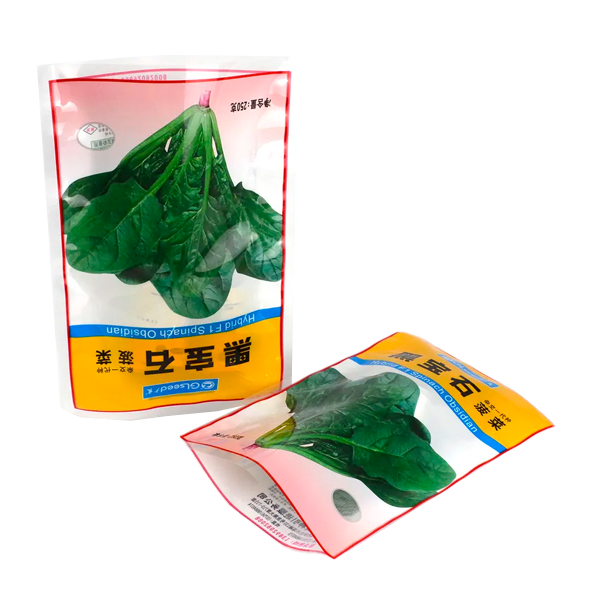
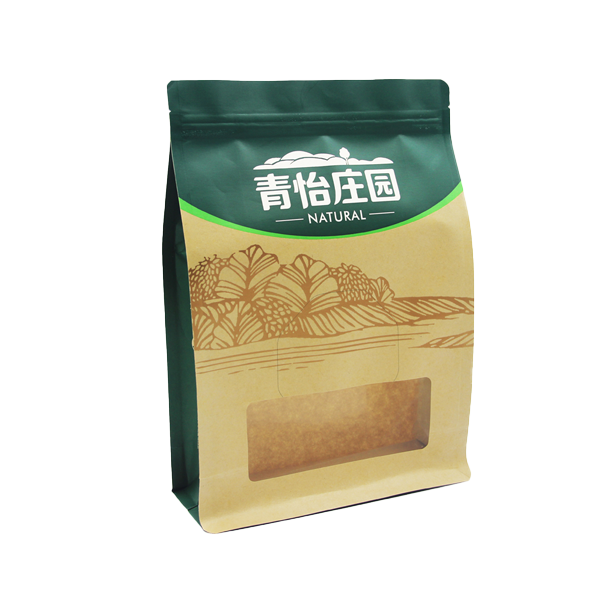
- **Window Bags**: Provide a glimpse of the product inside, appealing to consumers' desire to see what they are purchasing.
Understanding these options allows brands to make informed decisions about which packaging type best suits their products.
4. Designing the Perfect Packaging
Creating effective food snacks packaging goes beyond selecting the right type. **Design** plays a crucial role in how consumers perceive a brand.
4.1 The Psychology of Colors in Packaging
Colors evoke emotions and can influence buying behavior. For example, **green** often represents health, while **red** can stimulate appetite. Brands should carefully choose their packaging colors to align with their product image and target audience.
4.2 Choosing Sustainable Packaging Materials
Sustainability is more than just a trend; it's a necessity. Consumers are increasingly looking for brands that prioritize eco-friendly practices. Using biodegradable or recyclable materials not only benefits the environment but also enhances brand loyalty.
5. Building a Strong Brand Identity Through Packaging
Your packaging is a reflection of your brand's identity. Consistency in design elements such as logos, colors, and typography strengthens brand recognition. Effective branding through packaging can create an emotional connection with customers, encouraging repeat purchases.
6. Current Trends in Food Snacks Packaging
Staying ahead of market trends is crucial for success. Current trends in food snacks packaging include:
- **Minimalist Design**: Simplistic designs that convey authenticity.
- **Smart Packaging**: Technology-integrated packaging that informs customers about freshness or ingredients.
- **Interactive Packaging**: Engaging consumers through QR codes that lead to recipes or brand stories.
These trends offer opportunities to innovate packaging strategies and connect with consumers.
7. Regulatory Considerations for Food Packaging
Compliance with food safety regulations is essential. Packaging must adhere to guidelines set by organizations such as the Food and Drug Administration (FDA). This includes proper labeling and ingredient disclosure, ensuring transparency and safety for consumers.
8. Frequently Asked Questions
What materials are best for food snacks packaging?
Using materials that ensure food safety and extend shelf life, such as polyethylene and foil, is crucial. Additionally, consider sustainable options like biodegradable films.
How can packaging influence consumer behavior?
Packaging affects first impressions and can lead to impulse purchases. Attractive designs and clear information can enhance the buying experience.
What are the benefits of using sustainable packaging?
Sustainable packaging reduces environmental impact, increases brand loyalty, and caters to the growing market of environmentally conscious consumers.
How important is labeling on food snacks packaging?
Labeling is vital for informing consumers about ingredients, nutritional content, and dietary restrictions, ensuring transparency and trust.
What role does packaging play in brand storytelling?
Packaging can communicate a brand's story, values, and mission to consumers, creating a deeper connection and enhancing brand loyalty.
9. Conclusion
In conclusion, effective marketing strategies utilizing food snacks packaging bags are integral to a brand's success. By focusing on design, sustainability, and regulatory compliance, brands can create packaging that not only protects their products but also resonates with consumers. As the market evolves, staying abreast of trends and consumer preferences will be crucial in leveraging packaging as a powerful marketing tool. By investing in thoughtful packaging strategies, brands can enhance their visibility, attract new customers, and ultimately drive sales.
Keywords:best Food Snacks Packaging Bag
Related News

One stop packaging customization service

You can email us
Coco Ma, Email: coco@zhongbao-group.com
Carrie Chan, Email: sales7@zhongbao-group.com
Office
Add: Room 1501, Building D, Suijin Center, No. 57, Jinshi 4th Road, Dayuan Street, Baiyun District, Guangzhou, Guangdong Province, China
Factory
Add: 2F, Building B, Ye Yi 'an Plant, Pingtang Industrial Park, Guanyao Dalan, Shishan Town, Nanhai District, Foshan City, China