
news
Sustainable Packaging Solutions: Facial Mask Bags from China
Release Time:2024-09-19
Sustainable Packaging Solutions: Facial Mask Bags from China
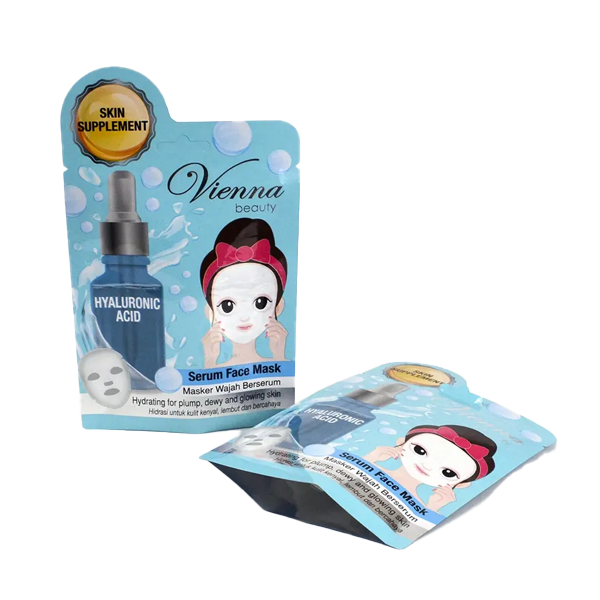
In recent years, sustainability has become a cornerstone of modern manufacturing, particularly in the packaging industry. With consumers increasingly opting for eco-friendly products, businesses are pressured to adopt sustainable practices. This article delves into **sustainable packaging solutions for facial mask bags from China**, focusing on materials, production techniques, and the benefits of adopting environmentally responsible practices.
Table of Contents
1. Introduction to Sustainable Packaging
2. Why Facial Mask Bags Need Sustainable Solutions
3. Types of Sustainable Materials for Facial Mask Bags
3.1 Biodegradable Materials
3.2 Recyclable Materials
3.3 Compostable Packaging Options
4. Innovations in Packaging Design
4.1 Minimalist Packaging
4.2 Smart Packaging Technologies
5. The Role of Manufacturers in Sustainable Packaging
6. Case Studies: Successful Brands Leading the Way
7. Frequently Asked Questions (FAQs)
8. Conclusion
1. Introduction to Sustainable Packaging
Sustainable packaging refers to the development of packaging solutions that have a **minimal impact on the environment** throughout their lifecycle. This encompasses the sourcing of raw materials, production processes, distribution, usage, and disposal. In the context of facial mask bags, adopting sustainable packaging is essential in promoting a **greener beauty industry**.
2. Why Facial Mask Bags Need Sustainable Solutions
The demand for facial masks has surged, particularly during global health crises. Unfortunately, this has resulted in a significant increase in plastic waste. Traditional packaging methods often lead to environmental degradation, contributing to issues such as pollution and climate change. By shifting to sustainable packaging solutions, brands can:
- Reduce their carbon footprint
- Appeal to environmentally conscious consumers
- Enhance their market competitiveness
- Demonstrate corporate social responsibility
3. Types of Sustainable Materials for Facial Mask Bags
Adopting sustainable materials is key to creating eco-friendly packaging. Various options are available that can effectively meet consumer needs while promoting sustainability.
3.1 Biodegradable Materials
**Biodegradable materials** break down naturally over time through the action of microorganisms. Options such as PLA (polylactic acid), derived from corn starch, and other plant-based materials offer a sustainable alternative to traditional plastics. Using biodegradable materials for facial mask bags ensures that packaging will not contribute to long-term waste.
3.2 Recyclable Materials
Using **recyclable materials** allows consumers to dispose of packaging responsibly. Common recyclable materials include paper, cardboard, and certain plastics. By providing clear recycling instructions on packaging, brands can encourage consumers to participate in recycling programs, thereby minimizing waste.
3.3 Compostable Packaging Options
**Compostable packaging** goes a step further than biodegradable materials. It not only breaks down into natural components but also enriches the soil. This type of packaging is ideal for brands looking to emphasize their commitment to sustainability. Compostable facial mask bags can be produced from a variety of renewable resources, making them a popular choice among eco-conscious consumers.
4. Innovations in Packaging Design
Sustainable packaging is not only about materials; innovative design also plays a crucial role in enhancing the user experience while reducing environmental impact.
4.1 Minimalist Packaging
Adopting a **minimalist approach to packaging** can significantly reduce material usage. Brands that embrace simplicity can design facial mask bags that are effective yet visually appealing without unnecessary frills. This approach not only cuts costs but also communicates a commitment to sustainability.
4.2 Smart Packaging Technologies
**Smart packaging technologies**, such as QR codes and NFC tags, can provide valuable information about the product while minimizing environmental impact. These technologies allow companies to reduce packaging size and material without sacrificing customer engagement. For example, consumers can scan a code to learn about the ingredients, usage, and disposal methods, all while enjoying a more streamlined experience.
5. The Role of Manufacturers in Sustainable Packaging
Manufacturers play a vital role in the transition to sustainable packaging. By prioritizing sustainable practices in their production processes, manufacturers can significantly impact the overall sustainability of the industry. Key strategies include:
- Investing in renewable energy sources
- Streamlining production processes to reduce waste
- Collaborating with suppliers for sustainable material sourcing
- Implementing waste management and recycling programs
By adopting these strategies, manufacturers can contribute to a more sustainable future for facial mask packaging.
6. Case Studies: Successful Brands Leading the Way
Several brands have set exemplary standards in sustainable packaging for facial mask bags. These case studies showcase innovative approaches that other brands can emulate.
- **Brand A**: This company uses fully biodegradable facial mask bags made from cornstarch-based materials, minimizing their impact on the environment. Their commitment to sustainability has garnered positive consumer feedback and increased loyalty.
- **Brand B**: A leading skincare brand revamped its packaging to utilize **recyclable materials**, promoting a take-back program for used packaging. This initiative not only encourages recycling but also enhances brand reputation among eco-conscious consumers.
- **Brand C**: By integrating smart packaging technologies, this brand has significantly reduced material usage while providing consumers with valuable information. Their commitment to innovation showcases the potential of technology in sustainable practices.
7. Frequently Asked Questions (FAQs)
What are the benefits of using sustainable packaging for facial masks?
Using sustainable packaging can enhance brand loyalty, reduce environmental impact, and comply with evolving regulations favoring eco-friendly practices.
Are biodegradable facial mask bags as effective as traditional packaging?
Yes, biodegradable materials can be engineered to provide the same level of protection and usability as traditional packaging while ensuring a lower environmental impact.
Can consumers recycle facial mask bags?
It depends on the materials used. Brands should provide clear recycling instructions to encourage responsible disposal.
What innovations are being used in sustainable packaging design?
Innovations such as minimalist designs and smart packaging technologies are becoming more prevalent, allowing brands to minimize waste while enhancing customer engagement.
How can manufacturers ensure sustainable practices?
Manufacturers can invest in renewable energy, streamline production processes, and collaborate with suppliers focused on sustainable materials.
8. Conclusion
Adopting **sustainable packaging solutions for facial mask bags from China** is not merely a trend; it's a necessary shift toward environmental responsibility. By utilizing biodegradable, recyclable, and compostable materials, brands can significantly reduce their impact on the planet while catering to the preferences of eco-conscious consumers. Innovations in design and production methods further strengthen this commitment, paving the way for a sustainable future in the beauty industry. As we continue to navigate the challenges of environmental sustainability, the packaging industry has a pivotal role in shaping a greener tomorrow.
Keywords:Facial Mask Bag from china
Related News

One stop packaging customization service

You can email us
Coco Ma, Email: coco@zhongbao-group.com
Carrie Chan, Email: sales7@zhongbao-group.com
Office
Add: Room 1501, Building D, Suijin Center, No. 57, Jinshi 4th Road, Dayuan Street, Baiyun District, Guangzhou, Guangdong Province, China
Factory
Add: 2F, Building B, Ye Yi 'an Plant, Pingtang Industrial Park, Guanyao Dalan, Shishan Town, Nanhai District, Foshan City, China