news
The Impact of Food Flat Bottom Bags on Consumer Buying Decisions
Release Time:2024-09-17
The Impact of Food Flat Bottom Bags on Consumer Buying Decisions
Introduction to Food Packaging Trends
In today's fast-paced marketplace, the packaging of food products plays a pivotal role in influencing consumer choices. As trends evolve, **food flat bottom bags** have gained immense popularity for their practicality and aesthetic appeal. Understanding the impact of these bags on consumer buying decisions is essential for businesses aiming to enhance their product offerings.
The Rise of Food Flat Bottom Bags
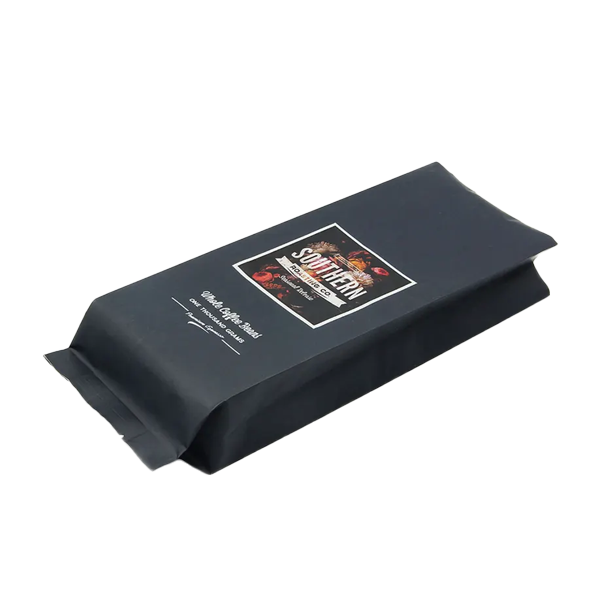
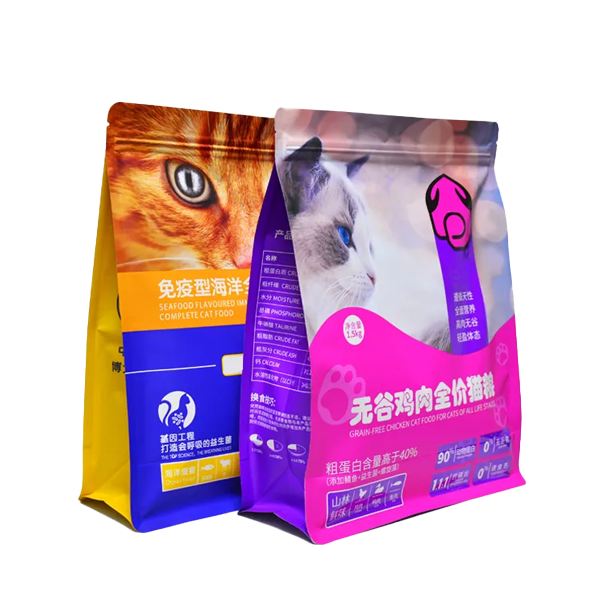
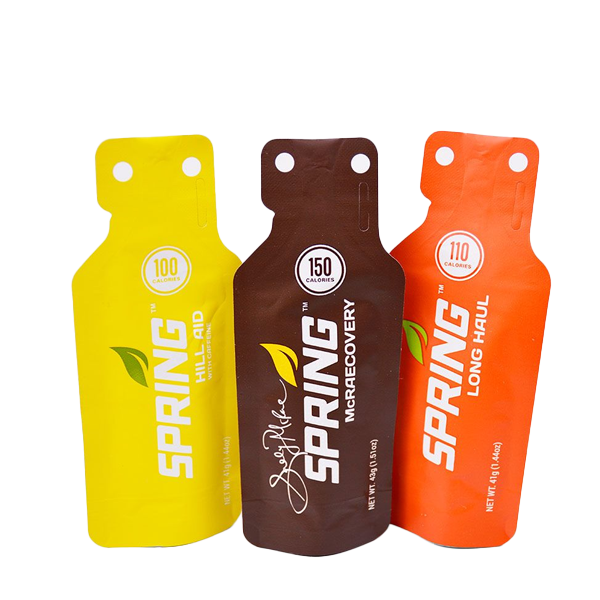
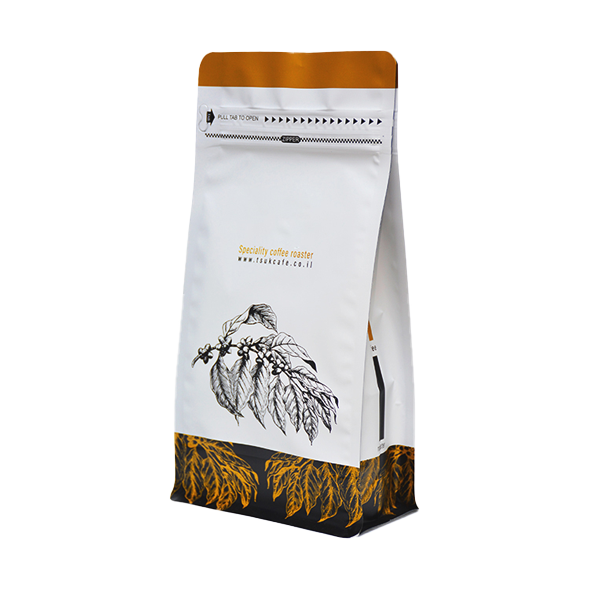
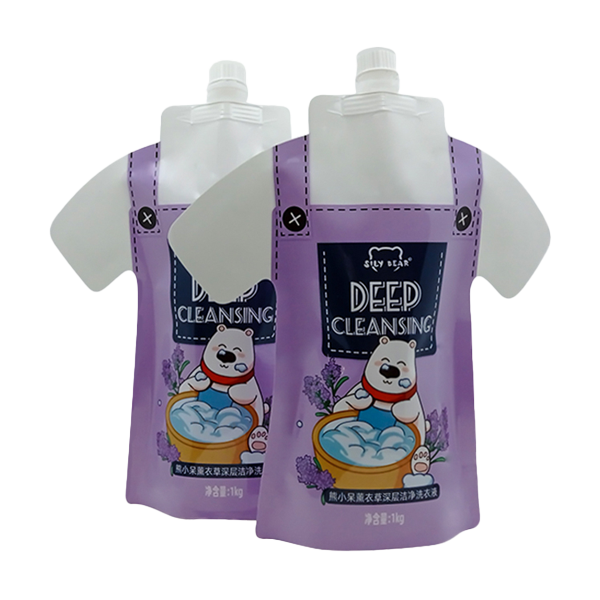
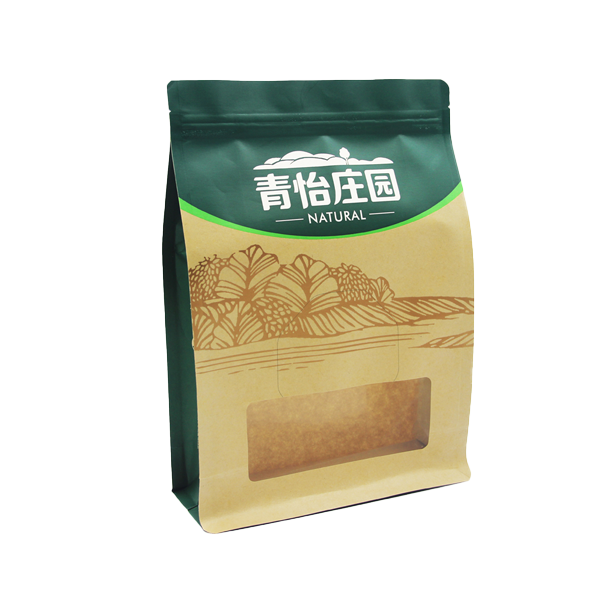
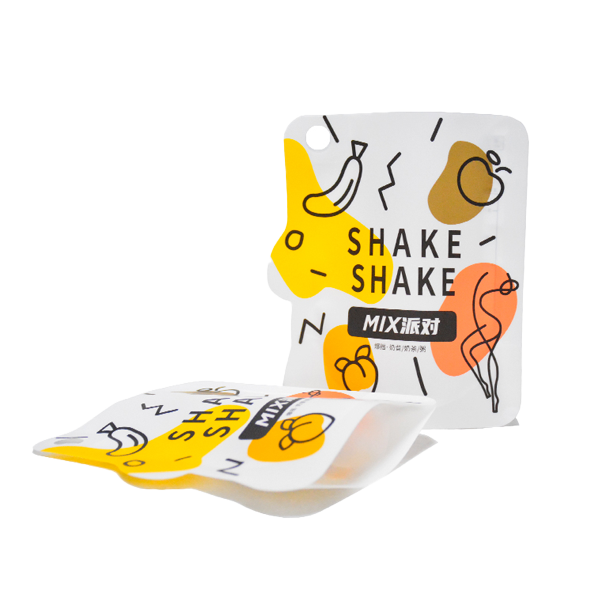
Food flat bottom bags, also known as stand-up pouches, are designed to provide a stable base that allows them to stand upright on shelves. This design not only maximizes shelf space but also enhances visibility, making products more appealing to consumers. The increasing adoption of these bags in the food sector reflects a broader trend toward innovative packaging solutions.
Key Features of Food Flat Bottom Bags
Flat bottom bags come with several advantages that contribute to their rising popularity:
- **Stability:** They remain upright, allowing for better presentation and visibility in stores.
- **Space Efficiency:** Their design optimizes storage, making them ideal for both retailer shelves and consumer pantries.
- **Versatility:** Suitable for a variety of food products, from snacks to liquids, these bags cater to diverse market needs.
The Environmental Impact of Food Flat Bottom Bags
As consumers become increasingly eco-conscious, the environmental impact of packaging materials is an important factor in purchasing decisions. Flat bottom bags can be manufactured using recyclable or biodegradable materials, thus appealing to environmentally-minded consumers and promoting sustainable practices.
Consumer Buying Decisions and Packaging
The relationship between packaging design and consumer behavior is well-documented. Packaging serves as a crucial touchpoint in a buyer's journey, influencing perceptions of quality, value, and brand integrity.
How Packaging Affects Perceptions of Quality
The visual appeal and functionality of packaging can significantly influence consumer perceptions of product quality. Flat bottom bags, with their sleek design and robust structure, convey a sense of quality and reliability. Consumers are more inclined to trust products packaged in high-quality materials, leading to increased purchasing intent.
The Role of Branding in Packaging Choices
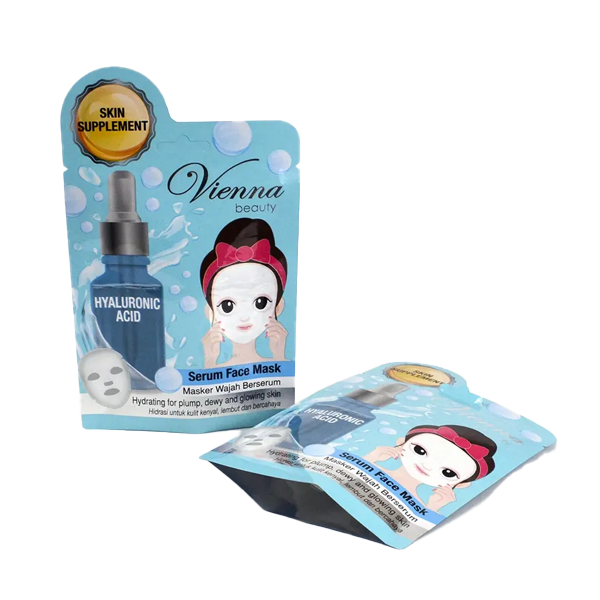
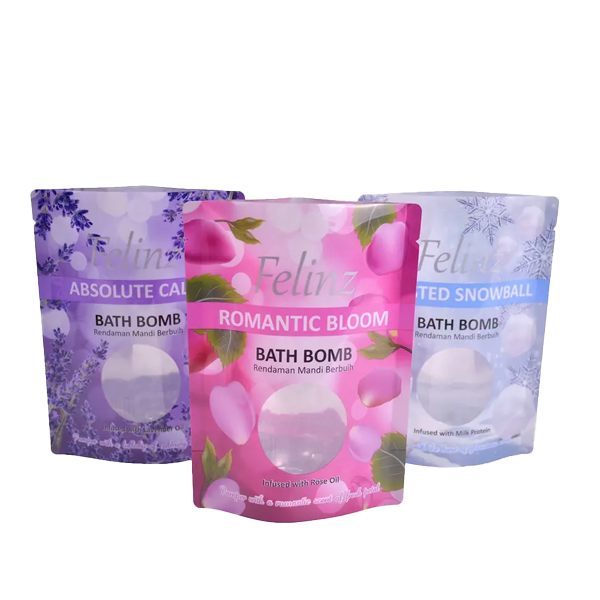
Effective branding directly affects consumer buying decisions. Food flat bottom bags can be customized with vibrant graphics, logos, and important information that captures consumers' attention. This customization fosters brand recognition and loyalty, further influencing purchasing decisions.
Practical Applications of Food Flat Bottom Bags
Businesses that adopt food flat bottom bags experience tangible benefits in marketing and sales.
Increased Shelf Appeal
The stand-up design of flat bottom bags enhances shelf presence, making products more likely to catch consumers' eyes. As shoppers often make impulse purchases based on appealing packaging, this can translate into higher sales.
Improved Product Freshness
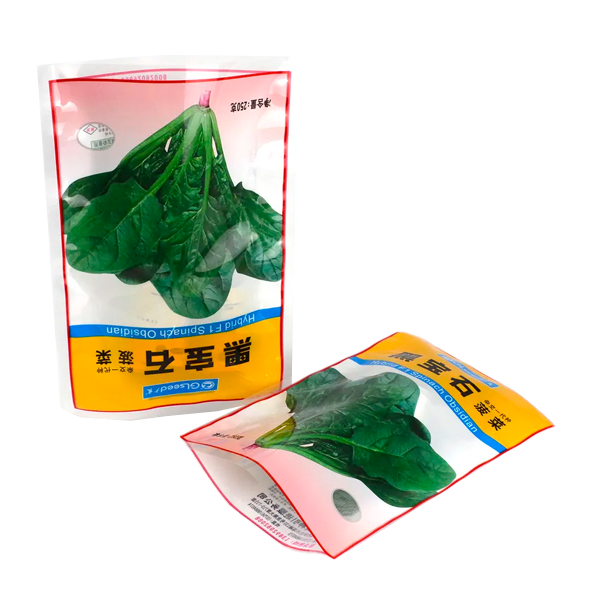
Many food flat bottom bags are designed with barrier properties that help preserve freshness. This quality is vital for consumers who prioritize product longevity and freshness, thereby influencing their buying decisions.
Consumer Preferences and Trends
Understanding consumer preferences is critical in tailoring packaging solutions that resonate with their values.
Health Conscious Choices
With the growing trend toward healthier eating, consumers are increasingly scrutinizing food packaging for indicators of nutrition and quality. Food flat bottom bags can effectively display nutritional information, catering to health-conscious buyers.
Environmental Awareness
Modern consumers are more aware of the environmental implications of their purchases. Packaging options that highlight sustainability efforts, such as those made from recycled materials, can significantly influence purchasing decisions. Flat bottom bags that emphasize eco-friendly attributes can attract a loyal customer base.
Case Studies: Successful Implementation of Flat Bottom Bags
Examining real-world examples can offer valuable insights into the effectiveness of food flat bottom bags in influencing consumer behavior.
Snack Food Brands Leading the Way
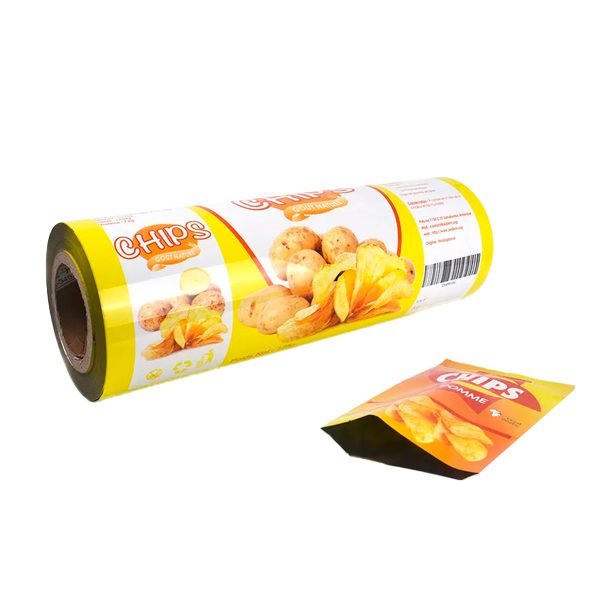
Several snack food brands have successfully adopted flat bottom bags, resulting in increased sales and customer loyalty. By leveraging eye-catching designs and sustainability messaging, these brands have enhanced their market presence.
Impact on Artisan and Organic Products
Artisan and organic producers benefit significantly from the use of flat bottom bags. The ability to communicate quality and sustainability through packaging has helped these brands connect with niche markets and build a dedicated customer base.
Future of Food Packaging: Trends to Watch
As consumer preferences continue to evolve, the future of food packaging looks promising. Emerging trends include personalized packaging, smart packaging technology, and an emphasis on sustainability.
The Shift Toward Personalized Packaging
Personalization is becoming increasingly important in marketing. Brands that incorporate personalized elements into their flat bottom bag designs can create a unique shopping experience, driving consumer engagement and loyalty.
Smart Packaging Technology
The integration of technology into packaging is set to transform consumer interactions. Smart flat bottom bags with QR codes and augmented reality features can provide consumers with additional product information, further influencing their purchasing decisions.
Conclusion
In conclusion, food flat bottom bags are more than just a practical packaging solution; they are a powerful tool that can significantly influence consumer buying decisions. By understanding the critical role that packaging plays in shaping perceptions and driving purchases, businesses can enhance their marketing strategies and better cater to evolving consumer preferences. As we move forward, the impact of innovative packaging designs, sustainability efforts, and technological advancements will continue to shape the landscape of food packaging, ultimately affecting consumer choices.
FAQs
1. What are flat bottom bags used for?
Flat bottom bags are primarily used for packaging various food products, including snacks, grains, and liquids. Their design allows them to stand upright, enhancing shelf visibility and stability.
2. How do food flat bottom bags contribute to sustainability?
Many food flat bottom bags are made from recyclable materials or biodegradable options, making them an environmentally friendly choice in packaging that appeals to eco-conscious consumers.
3. Can flat bottom bags be customized for branding purposes?
Yes, flat bottom bags can be fully customized with graphics, colors, and logos, enabling brands to create a distinctive identity that enhances recognition and consumer loyalty.
4. Are flat bottom bags effective in preserving food freshness?
Absolutely! Many flat bottom bags are designed with barrier properties to protect food from moisture and air, helping to maintain product freshness over time.
5. What trends are influencing the future of food packaging?
Key trends include the shift toward personalized packaging, the incorporation of smart technology, and ongoing efforts to enhance sustainability within the packaging industry.
Keywords:Food Flat Bottom Bag
Related News

One stop packaging customization service

You can email us
Coco Ma, Email: coco@zhongbao-group.com
Carrie Chan, Email: sales7@zhongbao-group.com
Office
Add: Room 1501, Building D, Suijin Center, No. 57, Jinshi 4th Road, Dayuan Street, Baiyun District, Guangzhou, Guangdong Province, China
Factory
Add: 2F, Building B, Ye Yi 'an Plant, Pingtang Industrial Park, Guanyao Dalan, Shishan Town, Nanhai District, Foshan City, China