news
The Advantages of Using Plastic Packing Roll Film: Streamlining Your Packaging Process
Release Time:2024-09-13
The Advantages of Using Plastic Packing Roll Film
Table of Contents
- Introduction to Plastic Packing Roll Film
- What Is Plastic Packing Roll Film?
- Key Benefits of Using Plastic Packing Roll Film
- Applications of Plastic Packing Roll Film in Various Industries
- How to Choose the Right Plastic Packing Roll Film
- Best Practices for Using Plastic Packing Roll Film
- Frequently Asked Questions
- Conclusion
Introduction to Plastic Packing Roll Film
In today’s fast-paced packaging and printing industry, efficiency and effectiveness are paramount. **Plastic packing roll film** has emerged as a leading choice among manufacturers and suppliers seeking to optimize their packaging processes. This innovative material offers an array of advantages that can streamline operations, reduce costs, and enhance product safety.
In this comprehensive article, we will explore the multifaceted benefits of plastic packing roll film, its applications across various sectors, and practical tips for choosing and utilizing this remarkable packaging solution.
What Is Plastic Packing Roll Film?
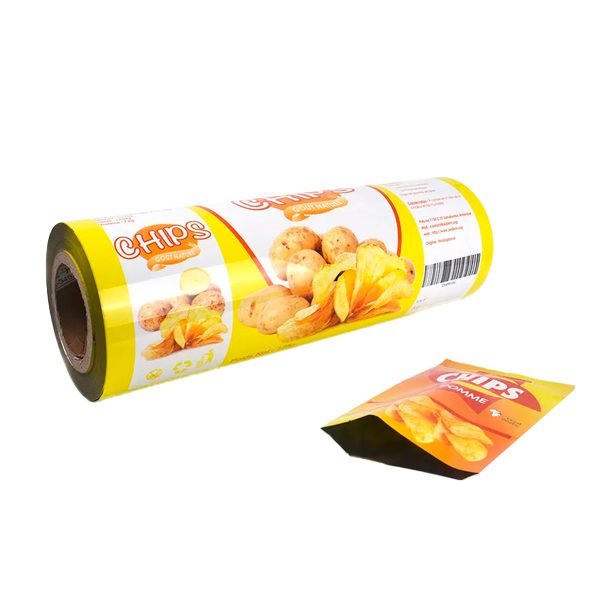
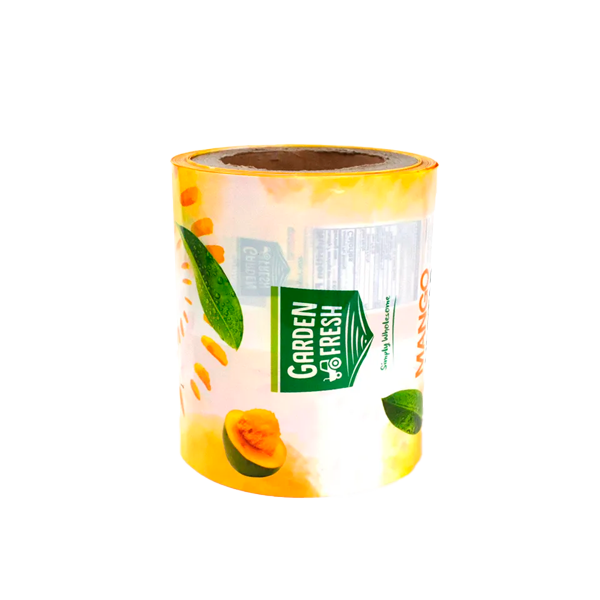
Plastic packing roll film is a flexible and lightweight material commonly used for packaging products. Made from various types of plastic, including polyethylene and polypropylene, this film is produced in continuous rolls, enabling efficient wrapping and sealing of items. The film is designed to provide a protective barrier that safeguards the contents from external elements such as moisture, dust, and contamination.
The manufacturing process of plastic packing roll film involves extrusion and blowing techniques, resulting in a durable and versatile product that can be tailored to meet specific packaging needs. With advancements in technology, this film can now be produced in varying thicknesses, widths, and finishes, making it suitable for a wide range of applications.
Key Benefits of Using Plastic Packing Roll Film
Cost-Effectiveness
One of the most significant advantages of plastic packing roll film is its **cost-effectiveness**. The lightweight nature of the film helps reduce shipping costs, allowing businesses to save money on logistics. Furthermore, the ability to purchase the film in bulk rolls leads to lower per-unit costs, making it an economical choice for companies of all sizes.
Additionally, the efficiency of the packaging process is enhanced when using plastic packing roll film. The continuous roll design allows for quick and seamless application, reducing labor costs and minimizing production time. This efficiency translates to higher productivity, enabling businesses to focus on growth and expanding their offerings.
Versatility in Applications
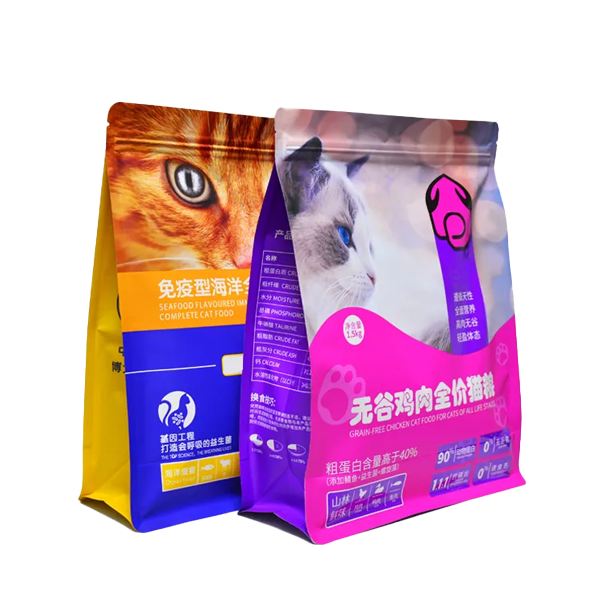
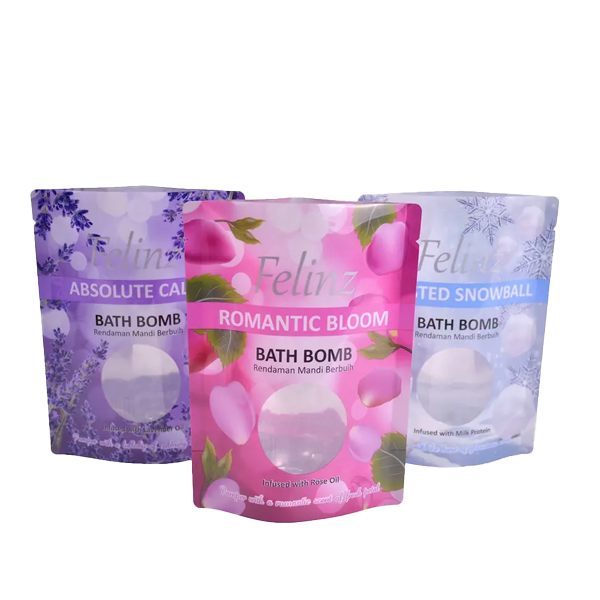
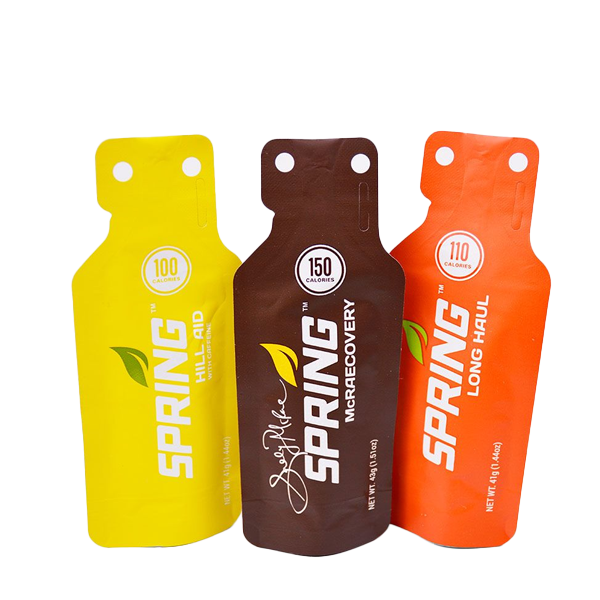
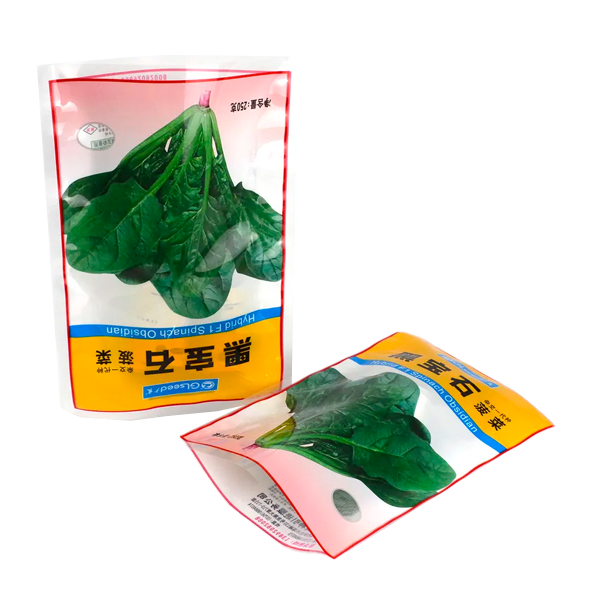
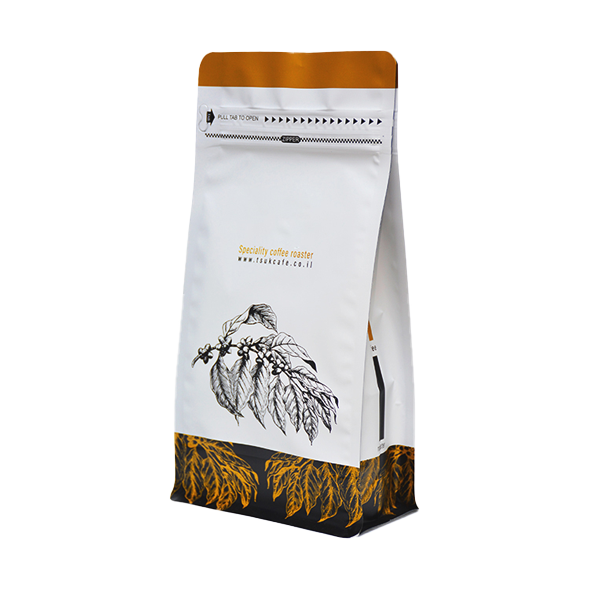
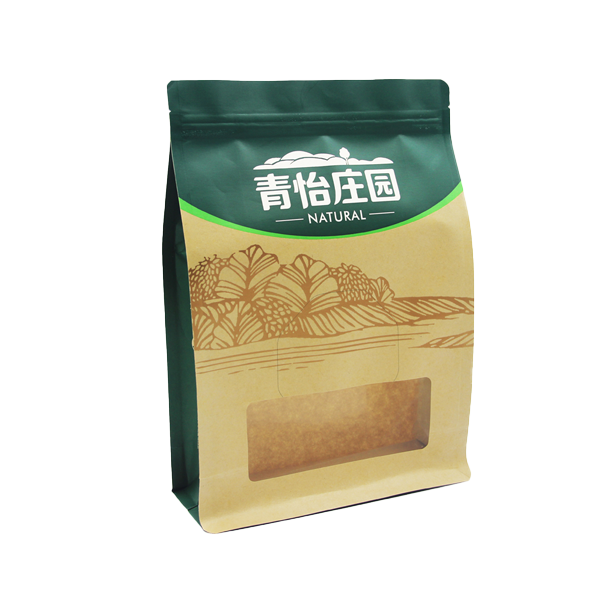
Plastic packing roll film boasts unmatched **versatility** across a wide range of industries. Whether it's food packaging, consumer goods, pharmaceuticals, or industrial products, this film can be customized to meet specific requirements. Businesses can choose from various finishes, such as clear, opaque, or printed options, to enhance branding and product visibility.
Moreover, the film can be used for different packaging methods, including shrink wrapping, stretch wrapping, and vacuum sealing. This adaptability makes it an ideal solution for businesses looking to optimize their packaging processes without sacrificing quality or safety.
Protective Features
The **protective features** of plastic packing roll film are among its most appealing attributes. The film acts as a barrier against moisture, dirt, and other contaminants, ensuring that products remain intact and safe throughout the supply chain. This is particularly crucial for perishable goods, where spoilage can lead to significant financial losses.
Additionally, plastic packing roll film is resistant to punctures and tears, providing an extra layer of protection for fragile items. The film’s durability allows for safe transportation and storage, minimizing the risk of damage during handling.
Sustainability Aspects
In an era where sustainability is more important than ever, plastic packing roll film has made strides in reducing its environmental impact. Many manufacturers now produce this film using **recyclable materials** and adopt eco-friendly practices in their production processes.
Businesses can further enhance their sustainability efforts by opting for biodegradable or compostable film options. This commitment to environmentally conscious packaging not only benefits the planet but also resonates with consumers who prioritize sustainable practices.
Applications of Plastic Packing Roll Film in Various Industries
Plastic packing roll film is utilized in numerous industries, demonstrating its adaptability and effectiveness. Here are some key areas where this film plays a vital role:
Food and Beverage Industry
In the food and beverage sector, plastic packing roll film is essential for preserving freshness and extending shelf life. The film’s barrier properties shield food items from air and moisture, ensuring that they remain safe for consumption. Additionally, the ability to print branding information directly onto the film enhances product visibility and consumer appeal.
Pharmaceutical Industry
The pharmaceutical industry relies heavily on plastic packing roll film for packaging medications and medical supplies. The film's protective capabilities prevent contamination and ensure product integrity, which is crucial for maintaining safety and efficacy.
Consumer Goods
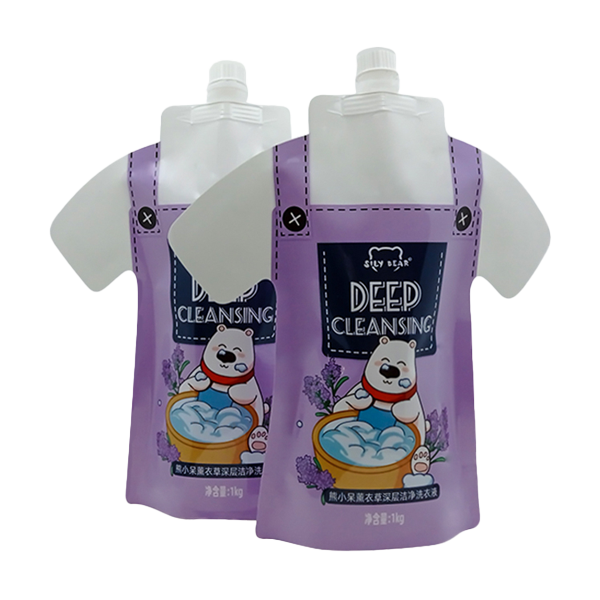
From household products to personal care items, plastic packing roll film is commonly used to package a variety of consumer goods. The versatility of the film allows brands to differentiate their products through creative designs and packaging solutions.
Industrial Packaging
In industrial settings, plastic packing roll film is employed to wrap and protect bulky or heavy items. The film’s strength and durability enable it to withstand the rigors of transportation and storage, safeguarding products during their journey to consumers.
How to Choose the Right Plastic Packing Roll Film
Selecting the appropriate plastic packing roll film requires careful consideration of various factors:
Material Type
Depending on the specific requirements of your products, you may need to choose between polyethylene, polypropylene, or other material types. Each material has its unique properties, such as clarity, strength, and barrier protection.
Thickness and Width
The thickness and width of the film should align with the size and weight of the products being packaged. Thicker films may provide added protection, while narrower widths may be more suitable for smaller items.
Finish and Customization
Consider whether you need a clear, printed, or custom-printed film. The finish can impact visibility and branding, so choose a film that complements your marketing strategy.
Environmental Considerations
If sustainability is a priority for your business, look for films made from recycled or biodegradable materials. Many suppliers now offer eco-friendly options that align with environmentally conscious practices.
Best Practices for Using Plastic Packing Roll Film
To maximize the benefits of plastic packing roll film, implement the following best practices:
Proper Storage
Store rolls of plastic packing film in a cool, dry place away from direct sunlight to prevent degradation. Proper storage will help maintain the film’s quality and performance.
Regular Equipment Maintenance
Ensure that your packaging machinery is regularly maintained to optimize its performance with plastic packing roll film. Proper equipment settings can prevent jams and ensure a smooth packaging process.
Testing and Quality Control
Conduct thorough testing of the film before full-scale production. Quality control measures will help identify any potential issues early on, ensuring that your packaging meets industry standards.
Frequently Asked Questions
1. What is the primary use of plastic packing roll film?
Plastic packing roll film is primarily used for packaging products to protect them from moisture, dirt, and damage during transportation and storage.
2. Is plastic packing roll film recyclable?
Many plastic packing roll films are recyclable, but it’s essential to check with your local recycling program for specific guidelines.
3. Can plastic packing roll film be customized?
Yes, plastic packing roll film can be customized with different prints, colors, and finishes to enhance branding and product visibility.
4. What industries commonly use plastic packing roll film?
Plastic packing roll film is used in various industries, including food and beverage, pharmaceuticals, consumer goods, and industrial packaging.
5. How do I choose the right thickness for plastic packing roll film?
The right thickness depends on the weight and fragility of the products being packaged. Heavier items generally require thicker film for added protection.
Conclusion
Plastic packing roll film offers a multitude of advantages that can significantly enhance packaging processes across various industries. From its cost-effectiveness and versatility to its protective features and sustainability aspects, this innovative material has become a preferred choice for businesses striving for efficiency and reliability. By understanding how to choose and utilize plastic packing roll film effectively, companies can streamline their operations and improve product safety, ultimately leading to enhanced customer satisfaction. Embracing this packaging solution not only boosts productivity but also positions businesses favorably in an increasingly competitive market.
Keywords:plastic packing roll film company
Related News

One stop packaging customization service

You can email us
Coco Ma, Email: coco@zhongbao-group.com
Carrie Chan, Email: sales7@zhongbao-group.com
Head office Address
Room 702, Block A, Jiafeng Building, Jiahe Street, Baiyun District,Guangzhou City, Guangdong Province, China, 510440