news
The Psychology of Packaging: Influencing Pet Owners' Purchasing Decisions
Release Time:2024-09-12
The Psychology of Packaging: Influencing Pet Owners' Purchasing Decisions
Table of Contents
- Understanding Packaging Psychology
- The Role of Color in Packaging
- Shapes and Design Elements That Capture Attention
- The Impact of Branding on Pet Owner Decisions
- Emotional Connection and Its Effect on Purchasing
- Narrative Communication Through Packaging
- Sustainability in Packaging Design
- Practical Strategies for Effective Packaging
- Conclusion
- FAQs
Understanding Packaging Psychology
The psychology of packaging delves into how the design elements of a product's packaging influence consumer behavior. This field combines aspects of psychology, marketing, and design to create packaging that resonates with consumers on a subconscious level. For pet owners, the purchasing decision often extends beyond practicality; it encompasses emotional ties to their pets, brand loyalty, and even social pressures.
Research indicates that **visual stimuli** play a crucial role in purchasing decisions, particularly in a market as emotionally charged as pet care. Pet owners frequently view their purchases as an extension of their care for their pets, making the emotional appeal of packaging an essential factor in influencing buying choices.
The Role of Color in Packaging
Color is one of the most powerful tools in packaging design. It not only captures attention but also evokes emotions and communicates brand values. For pet products, choosing the right color palette can significantly affect purchase intent.
**Warm colors** like red and orange can stimulate excitement and urgency, making them ideal for promotions. On the other hand, **cool colors** such as blue and green are often associated with trust and tranquility, appealing to pet owners looking for reliable and calming products for their pets. Understanding the emotional response elicited by colors can help brands tailor their packaging to align with the desires and needs of pet owners.
Shapes and Design Elements That Capture Attention
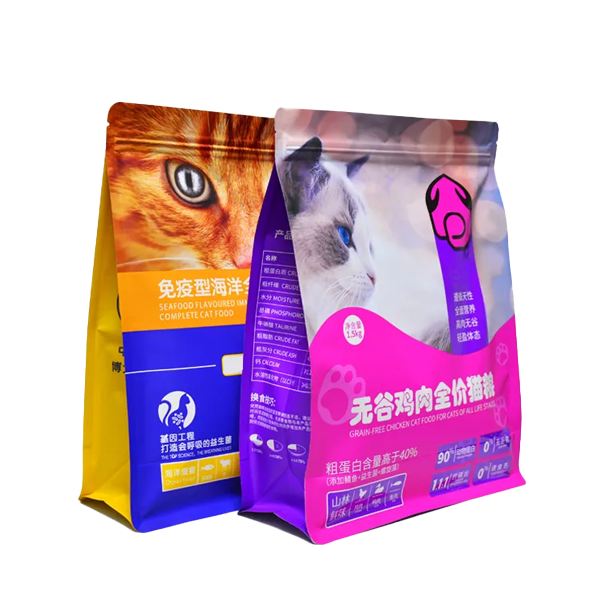
The shape and structure of packaging also play critical roles in attracting consumers. Unique shapes can differentiate products on the shelf, creating visual intrigue. For instance, packaging that mimics a pet's silhouette or paw prints may resonate more with pet owners, while sleek, modern designs might appeal to a younger, more urban demographic.
**Design elements** such as textures, patterns, and finishes can enhance the tactile experience for consumers. Packaging that feels premium or unique can lead to a perception of higher quality, influencing buying behavior. Brands should consider how these elements speak to their target audience and reflect the brand's personality.
The Impact of Branding on Pet Owner Decisions
Branding extends beyond logos and colors; it encompasses the entire perception of a product and company. Strong branding can foster trust and loyalty among pet owners. Consistency in branding across all platforms, including packaging, is essential for establishing a recognizable identity.
Pet owners are often willing to pay a premium for brands they perceive as reputable and trustworthy. This is especially true in the pet care industry, where the stakes involve the health and well-being of beloved pets. Effective branding combined with compelling packaging can create a significant competitive advantage.
Emotional Connection and Its Effect on Purchasing
The emotional bond between pet owners and their pets significantly influences purchasing decisions. Packaging that resonates emotionally can create a strong connection, prompting consumers to choose one product over another. Imagery that depicts happy pets enjoying the products can evoke positive feelings and encourage purchases.
Additionally, messaging that highlights the emotional benefits—such as "nourishing your pet's happiness”—can further strengthen this connection. When packaging communicates an understanding of pet owners’ desires to provide the best for their pets, it fosters brand loyalty and encourages repeat purchases.
Narrative Communication Through Packaging
Packaging can tell a story, conveying the brand’s values, mission, and the journey of the product from creation to consumption. Storytelling through packaging can transform a mundane purchase into a meaningful experience. For example, narrating the sourcing of ingredients or the inspiration behind a product can create a deeper connection with consumers.
Brands that effectively communicate their story through packaging can engage pet owners on a personal level, making them feel part of something larger. This narrative approach can foster community and loyalty, encouraging consumers to advocate for the brand.
Sustainability in Packaging Design
The growing trend toward sustainability has changed consumer expectations regarding packaging. Pet owners increasingly seek products that reflect their values, including environmental responsibility. Utilizing eco-friendly materials and sustainable practices in packaging design not only appeals to the ethical preferences of consumers but also differentiates brands in a competitive market.
Brands that communicate their commitment to sustainability through their packaging can attract environmentally conscious pet owners. Highlighting biodegradable materials or recycling initiatives can enhance brand image and drive purchasing decisions.
Practical Strategies for Effective Packaging
To effectively leverage the psychology of packaging, brands should consider the following strategies:
1. **Know Your Audience**: Conduct thorough market research to understand the psychological triggers and preferences of your target audience.
2. **Optimize Visual Elements**: Experiment with color schemes, shapes, and textures that resonate with pet owners and reflect your brand identity.
3. **Tell a Story**: Use packaging as a medium to communicate your brand's story, values, and the benefits of your products.
4. **Focus on Quality**: Ensure that both the design and materials used in your packaging convey a sense of quality and care.
5. **Emphasize Sustainability**: Adopt eco-friendly packaging practices and clearly communicate these efforts to resonate with environmentally conscious consumers.
6. **Test and Iterate**: Regularly test packaging designs with focus groups or through A/B testing to understand what resonates best with consumers.
Conclusion
The psychology of packaging plays a pivotal role in influencing pet owners’ purchasing decisions. By understanding the emotional connections, color implications, design elements, and sustainability factors, brands can create packaging that resonates with consumers on multiple levels. In an industry driven by love and care for pets, effective packaging not only captures attention but also fosters loyalty, encouraging pet owners to return time and again. By leveraging these insights and strategies, brands can significantly enhance their market presence and drive sales in the competitive pet care industry.
FAQs
1. How does packaging influence consumer behavior in the pet care industry?
Packaging influences consumer behavior by engaging emotions, communicating brand values, and attracting attention through visual stimuli, all of which play a crucial role in purchasing decisions.
2. What colors are most effective for pet care packaging?
Colors like blue and green instill trust and tranquility, while warm colors like red and orange can create excitement. The choice depends on the product and target audience.
3. How can storytelling enhance packaging?
Storytelling through packaging can create emotional connections with consumers, making them feel aligned with the brand's values and mission.
4. What role does sustainability play in packaging design?
Sustainability is increasingly important to pet owners. Eco-friendly packaging can appeal to this audience, enhancing brand image and loyalty.
5. Can packaging design impact brand loyalty?
Yes, effective packaging design can foster emotional connections and trust, significantly impacting brand loyalty among pet owners.
Keywords:Pet Food Packaging Bag manufacturers
Related News

One stop packaging customization service

You can email us
Coco Ma, Email: coco@zhongbao-group.com
Carrie Chan, Email: sales7@zhongbao-group.com
Head office Address
Room 702, Block A, Jiafeng Building, Jiahe Street, Baiyun District,Guangzhou City, Guangdong Province, China, 510440