news
Embrace Sustainable Packaging Solutions for the Evolving Snack Industry
Release Time:2024-09-09
Embrace Sustainable Packaging Solutions for the Snack Industry
Introduction to Sustainable Packaging in the Snack Industry
In today’s environmentally conscious world, the snack industry is witnessing a significant shift towards **sustainable packaging solutions**. As consumers become increasingly aware of the ecological footprint of their choices, brands are compelled to rethink their packaging strategies. This article will delve into the **importance of sustainable packaging**, the various materials available, innovative strategies to implement, and the benefits that come with embracing these solutions.
Why Sustainable Packaging Matters for Snack Manufacturers
Sustainable packaging is not merely a trend; it is a necessity for the survival of the snack industry. Here are several reasons why transitioning to sustainable packaging is crucial:
1. Consumer Demand for Eco-Friendly Options
Consumers today prioritize brands that demonstrate a commitment to sustainability. Polls indicate that a significant percentage of consumers are willing to pay more for products with eco-friendly packaging. By adopting sustainable solutions, snack manufacturers can attract a growing demographic of environmentally conscious shoppers.
2. Regulatory Pressure and Compliance
Governments worldwide are implementing stricter regulations to reduce plastic waste. Companies that fail to adapt may face penalties or restrictions, making it imperative for snack manufacturers to align their packaging practices with **regulatory standards**.
3. Brand Reputation and Loyalty
Utilizing sustainable packaging enhances a brand’s reputation. Companies recognized for their environmental responsibility often enjoy increased customer loyalty, leading to repeat business and positive word-of-mouth referrals.
4. Competitive Advantage
In a saturated market, differentiation is key. Brands that invest in sustainable packaging can set themselves apart from competitors, appealing to a niche market and establishing themselves as leaders in the industry.
Types of Sustainable Packaging Solutions for Snacks
There are several types of sustainable packaging options available for the snack industry. Each comes with its own set of benefits and ideal applications.
1. Biodegradable Materials
Biodegradable packaging materials are designed to break down naturally over time, reducing environmental impact. Common biodegradable materials include:
- **PLA (Polylactic Acid)**: Made from renewable resources such as cornstarch, PLA is often used for bags and containers.
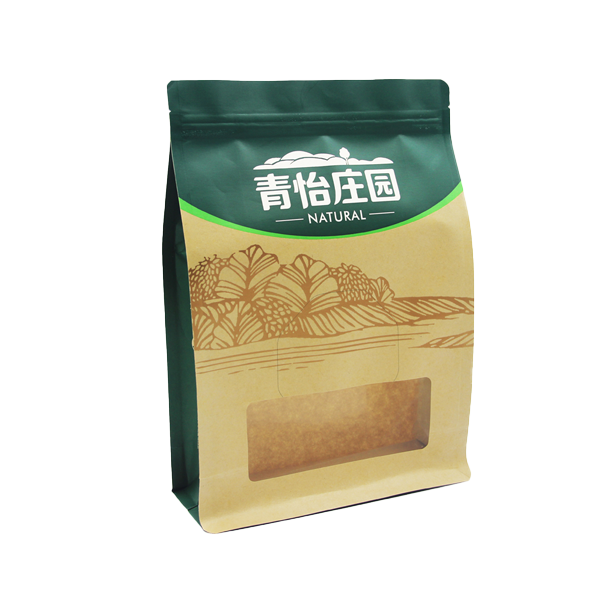
- **Kraft Paper**: Versatile and easily recyclable, kraft paper is a popular choice for snack packaging.
2. Recyclable Packaging
Recyclable materials can be processed and reused, reducing waste and conserving resources. Examples include:
- **PET (Polyethylene Terephthalate)**: Widely used for snack containers, PET is highly recyclable and can be reprocessed into new products.
- **Glass**: Although heavier, glass is fully recyclable and often used for premium snack products.
3. Compostable Packaging
Compostable packaging decomposes into nutrient-rich soil, making it an excellent choice for organic snack brands. Materials like **cornstarch-based films** and **paper products** fall into this category.
4. Edible Packaging
An innovative approach to sustainable packaging involves creating edible wrappers made from natural ingredients. This not only eliminates waste but also provides an exciting experience for consumers.
5. Minimalist Packaging
Reducing the amount of packaging can significantly decrease environmental impact. Minimalist packaging focuses on using less material without compromising product integrity.
Innovative Strategies for Implementing Sustainable Packaging
Transitioning to sustainable packaging requires strategic planning and execution. Here are some effective methods to consider:
1. Conducting a Packaging Audit
Evaluate current packaging practices to identify areas for improvement. Assess materials, processes, and supply chains to determine the best sustainable alternatives.
2. Collaborating with Eco-Friendly Suppliers
Partnering with suppliers specializing in sustainable materials can streamline the transition. These collaborations can also lead to shared innovations and cost-effective solutions.
3. Investing in Research and Development
Allocate resources to explore innovative packaging technologies. By staying at the forefront of packaging advancements, snack manufacturers can continuously improve their sustainability efforts.
4. Educating Consumers
Transparency is essential. Educate consumers about the benefits of sustainable packaging and how to properly dispose of packaging materials. This fosters a culture of sustainability among customers.
The Environmental and Economic Benefits of Sustainable Packaging
Implementing sustainable packaging solutions brings numerous environmental and economic advantages.
1. Reducing Carbon Footprint
By utilizing renewable materials and optimizing production processes, companies can significantly reduce their carbon emissions. Sustainable packaging contributes to a greener planet for future generations.
2. Cost Savings in the Long Run
While the initial investment in sustainable materials may be higher, companies often experience long-term cost savings through waste reduction and increased operational efficiency.
3. Enhanced Brand Image
Sustainable packaging initiatives can elevate a brand's image, attracting eco-conscious consumers and leading to increased market share.
4. Contribution to Circular Economy
Sustainable packaging aligns with the principles of a circular economy, promoting the reuse and recycling of materials rather than a linear “take-make-dispose” model.
Case Studies: Successful Brands Embracing Sustainable Packaging
Several snack brands have successfully integrated sustainable packaging into their operations. Here are a few noteworthy examples:
1. **LÄRABAR**
LÄRABAR employs biodegradable packaging made from natural materials, reinforcing their commitment to health and sustainability. Their clear labeling educates consumers about proper disposal.
2. **Kind Snacks**
Kind Snacks uses recyclable materials for their packaging, and they actively promote their sustainability efforts through marketing campaigns, turning eco-friendliness into a core brand value.
3. **Kettle Brand Chips**
Kettle Brand has transitioned to recyclable bags made from sustainable materials, showcasing their dedication to environmental responsibility while maintaining product quality.
Challenges in Transitioning to Sustainable Packaging
While the benefits are clear, transitioning to sustainable packaging is not without its challenges. Here are some common obstacles manufacturers face:
1. Higher Costs of Sustainable Materials
Sustainable materials can sometimes be more expensive than traditional options, leading to budgetary constraints for manufacturers.
2. Supply Chain Limitations
Finding reliable suppliers of sustainable materials can be challenging, particularly for smaller brands with limited resources.
3. Consumer Misunderstanding
Some consumers may not understand the importance of sustainable packaging or may be resistant to change, leading to potential backlash against new packaging initiatives.
Future Trends in Sustainable Snack Packaging
The future of the snack industry is undoubtedly leaning towards sustainability. Here are some trends to watch for:
1. Increased Use of Plant-Based Materials
Expect to see a rise in the use of **plant-based plastics** and materials as technology improves and consumer demand grows.
2. Smart Packaging Technologies
Innovations like QR codes on packaging that provide information about sustainability practices will likely become more prevalent, enhancing consumer engagement.
3. Greater Focus on Lifecycle Analysis
Brands will increasingly analyze the entire lifecycle of packaging materials, from sourcing to disposal, to ensure sustainability at every stage.
Conclusion
Embracing sustainable packaging solutions is no longer optional for the snack industry; it is a vital step towards meeting consumer expectations, regulatory demands, and environmental responsibility. By investing in eco-friendly materials and innovative strategies, snack manufacturers can enhance their brand value while contributing to a healthier planet. The transition may present challenges, but the long-term benefits far outweigh the hurdles. As we move forward, let us work together to create a sustainable future for the snack industry that prioritizes both quality and environmental stewardship.
FAQs
1. What are sustainable packaging solutions?
Sustainable packaging solutions are materials and methods designed to minimize environmental impact, often through the use of biodegradable, recyclable, or compostable materials.
2. Why is sustainable packaging important for the snack industry?
It is important because it meets consumer demand for eco-friendly options, enhances brand reputation, and complies with increasing governmental regulations on waste and packaging.
3. What types of materials are used in sustainable packaging?
Common materials include biodegradable materials like PLA, recyclable plastics like PET, compostable options, and innovative alternatives such as edible packaging.
4. How can companies implement sustainable packaging?
Companies can conduct packaging audits, collaborate with eco-friendly suppliers, invest in research and development, and educate consumers about the benefits of their sustainable choices.
5. What are the economic benefits of switching to sustainable packaging?
Economic benefits include cost savings from reduced waste, improved operational efficiency, and increased market share due to enhanced brand image and consumer loyalty.
Keywords:china Food Snacks Packaging Bag
Related News

One stop packaging customization service

You can email us
Coco Ma, Email: coco@zhongbao-group.com
Carrie Chan, Email: sales7@zhongbao-group.com
Office
Add: Room 1501, Building D, Suijin Center, No. 57, Jinshi 4th Road, Dayuan Street, Baiyun District, Guangzhou, Guangdong Province, China
Factory
Add: 2F, Building B, Ye Yi 'an Plant, Pingtang Industrial Park, Guanyao Dalan, Shishan Town, Nanhai District, Foshan City, China