news
Essential Insights into Pet Food Packaging Bags: Selecting the Right Solutions
Release Time:2024-08-26
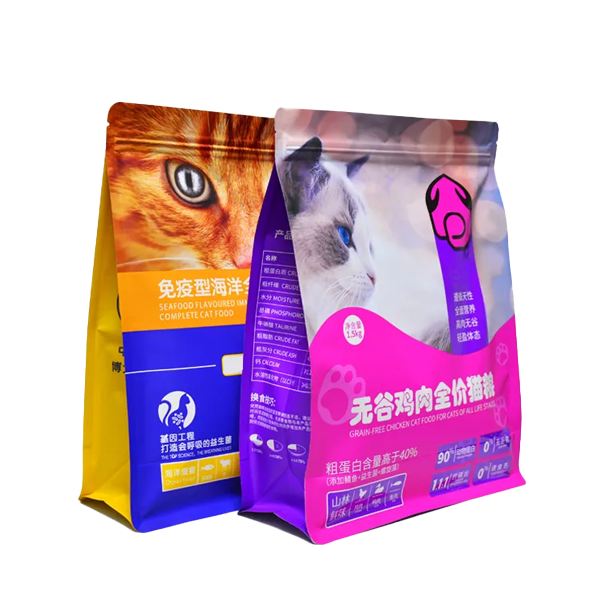
When it comes to the pet food industry, the choice of packaging plays a critical role in maintaining the quality and appeal of the product. Pet food packaging bags serve not only as a protective barrier to keep the food fresh but also as a vital marketing tool that can influence purchasing decisions. Here are some essential insights on pet food packaging bags that can help you make informed decisions.
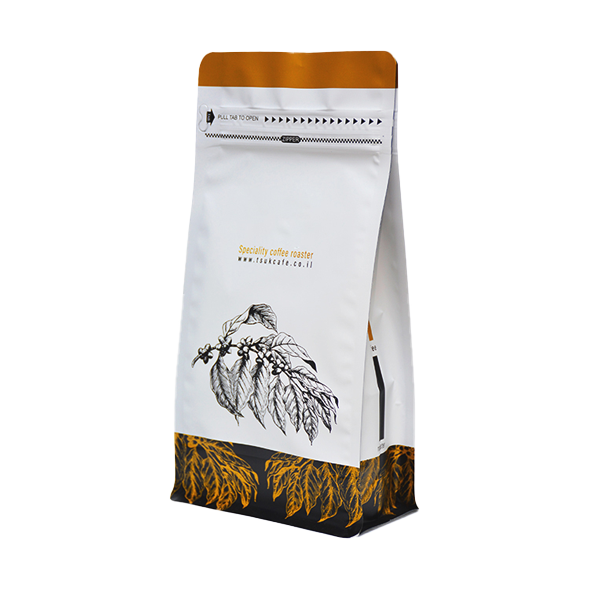
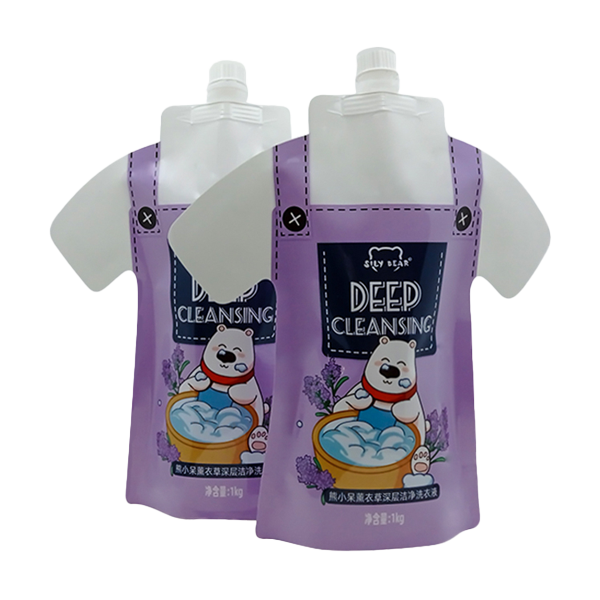
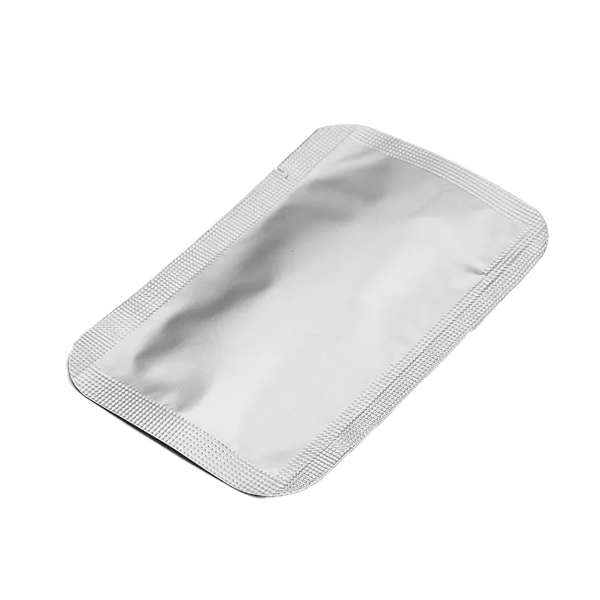
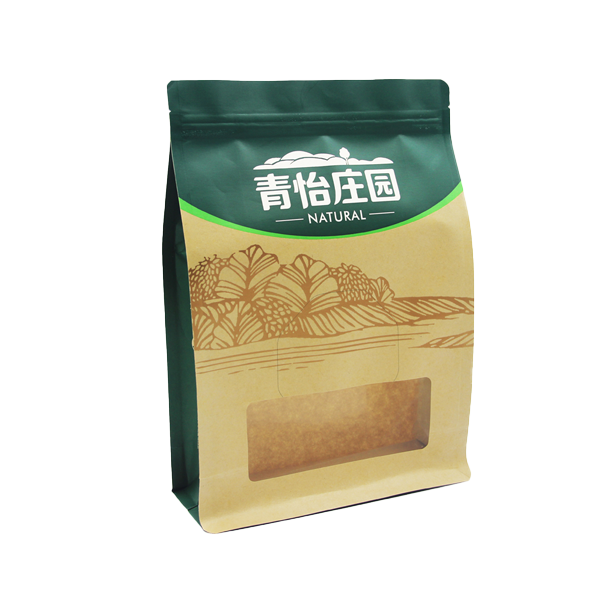
Firstly, the material of the packaging bag is crucial. Common materials include plastic, foil, and paper. Each material has its benefits and drawbacks; for example, plastic bags are lightweight and resistant to moisture, which is beneficial for preserving the freshness of pet food. On the other hand, foil pouches can offer superior barrier properties against oxygen and light, thereby extending shelf life. It’s essential to choose a material that aligns with your product's needs and your brand's sustainability goals.
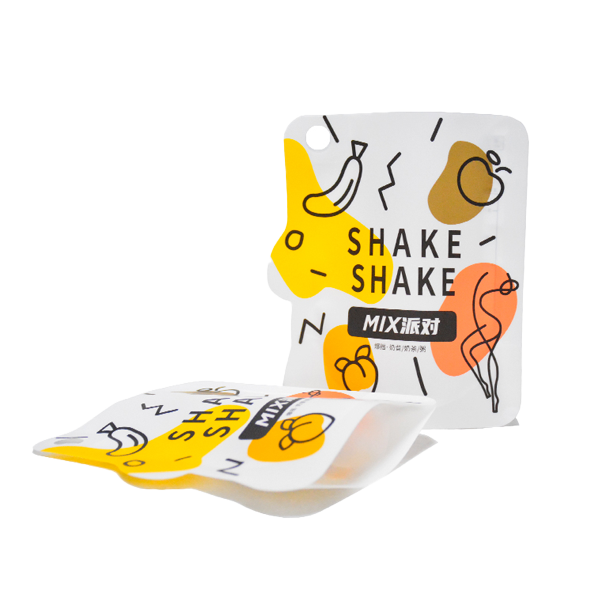
Furthermore, the design of the pet food packaging bag is equally important. An attractive graphic design can grab a pet owner's attention and differentiate your product from competitors. Include essential information such as nutritional content, feeding guidelines, and any certifications (like organic or non-GMO) on the packaging. These elements not only contribute to consumer trust but also enhance the product's marketability.
Another factor to consider is the functionality of the packaging. Features such as resealable closures, easy-to-handle designs, and portion control can significantly enhance the user experience. Pet owners appreciate packaging that is convenient and easy to use, which can lead to repeat purchases.
Moreover, sustainability is becoming a crucial factor in packaging decisions. With growing environmental awareness among consumers, brands that utilize eco-friendly packaging materials can create a positive impression. Consider options like biodegradable bags or recyclable materials to appeal to this demographic, thereby aligning with broader ecological initiatives.
Lastly, regulatory compliance is vital in the pet food industry. Ensure that all packaging adheres to local and international guidelines regarding labeling and safety standards. This compliance not only protects your business from legal issues but also builds consumer confidence in your products.
In summary, selecting the right pet food packaging bag involves careful consideration of material, design, functionality, sustainability, and compliance. By focusing on these key aspects, you can enhance your product’s market appeal while ensuring quality and safety. Investing time and resources into effective packaging can ultimately result in greater customer satisfaction and loyalty in the competitive pet food market.
Keywords:Pet Food Packaging Bag
Related News

One stop packaging customization service

You can email us
Coco Ma, Email: coco@zhongbao-group.com
Carrie Chan, Email: sales7@zhongbao-group.com
Office
Add: Room 1501, Building D, Suijin Center, No. 57, Jinshi 4th Road, Dayuan Street, Baiyun District, Guangzhou, Guangdong Province, China
Factory
Add: 2F, Building B, Ye Yi 'an Plant, Pingtang Industrial Park, Guanyao Dalan, Shishan Town, Nanhai District, Foshan City, China