news
How to Find the Right Food Packaging Bag OEM Supplier: A Comprehensive Guide
Release Time:2024-08-08
How to Find the Right Food Packaging Bag OEM Supplier: A Comprehensive Guide
Finding the right OEM (Original Equipment Manufacturer) supplier for food packaging bags is crucial for businesses that prioritize quality, safety, and aesthetics. Whether you are a startup or an established brand, the effectiveness of your packaging can significantly impact your product's marketability. In this guide, we explore strategies to find the ideal OEM supplier for your food packaging needs.
Understanding the Importance of Food Packaging
Food packaging serves several critical functions beyond mere containment. It protects products, prolongs shelf life, and provides essential information to consumers. With evolving consumer preferences and stringent regulations, the demand for innovative and sustainable packaging solutions has skyrocketed.
The Role of OEM Suppliers in Food Packaging
OEM suppliers play a vital role in the food packaging industry. They manufacture packaging solutions tailored to specific client requirements, ensuring quality standards and compliance with health regulations. By partnering with the right OEM supplier, businesses can enhance their product's visibility and attraction in a competitive marketplace.
Key Factors to Consider When Choosing an OEM Supplier
When searching for an OEM supplier for your food packaging bags, several critical factors should guide your decision-making process.
1. Quality Assurance and Certifications
Quality should be your top priority when selecting an OEM supplier. Look for suppliers who have relevant certifications such as ISO 9001, HACCP, or FDA compliance. These certifications indicate a commitment to maintaining high-quality standards in manufacturing practices.
2. Range of Materials Offered
Different food products require different packaging materials. Some common materials include polyethylene, polypropylene, biodegradable films, and aluminum. Choose a supplier that offers a diverse range of materials to cater to your specific product needs.
3. Customization Capabilities
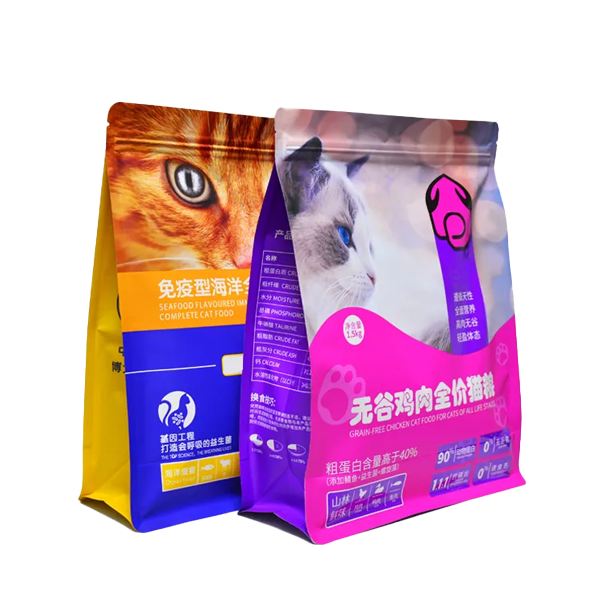
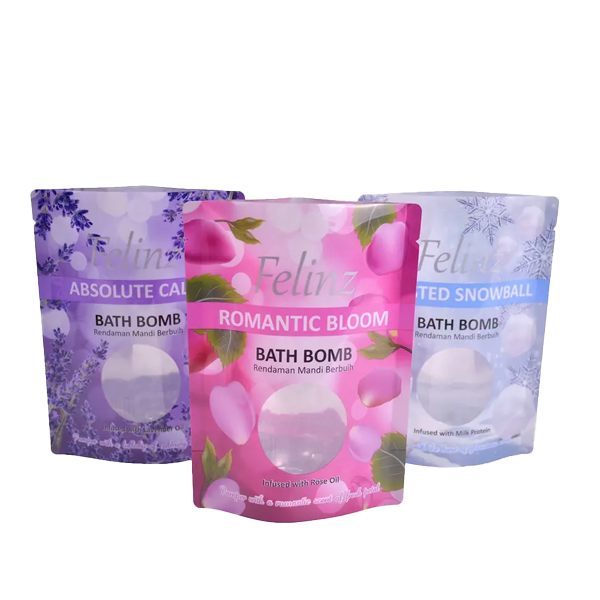
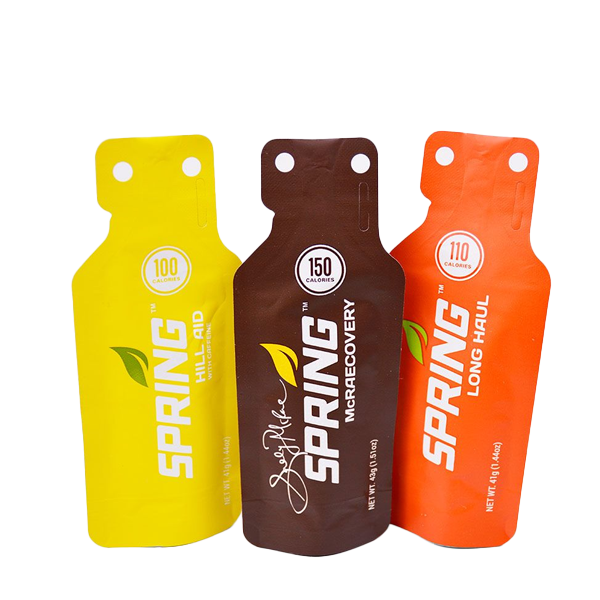
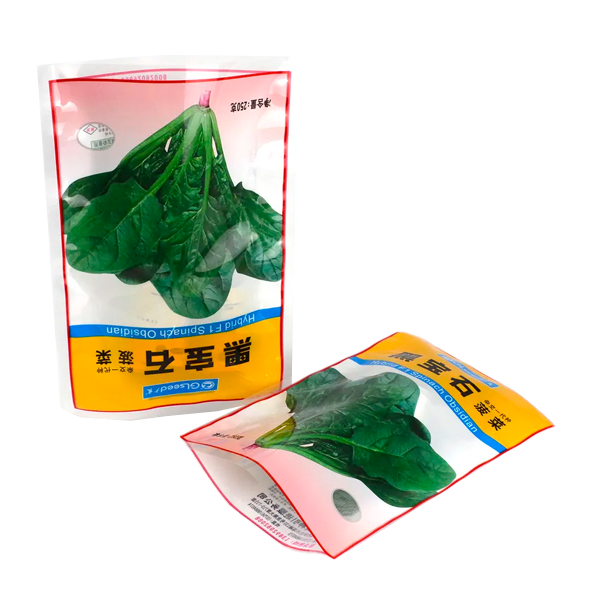
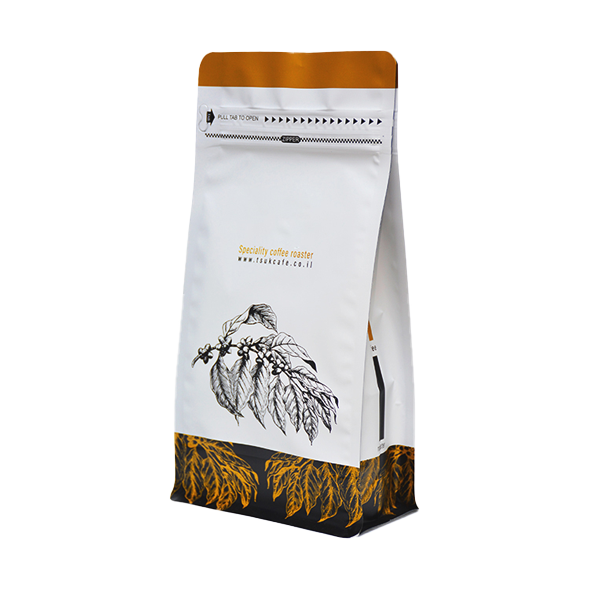
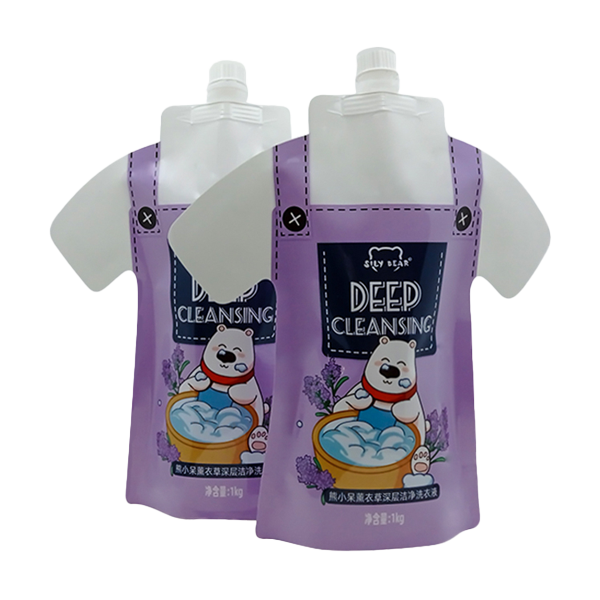
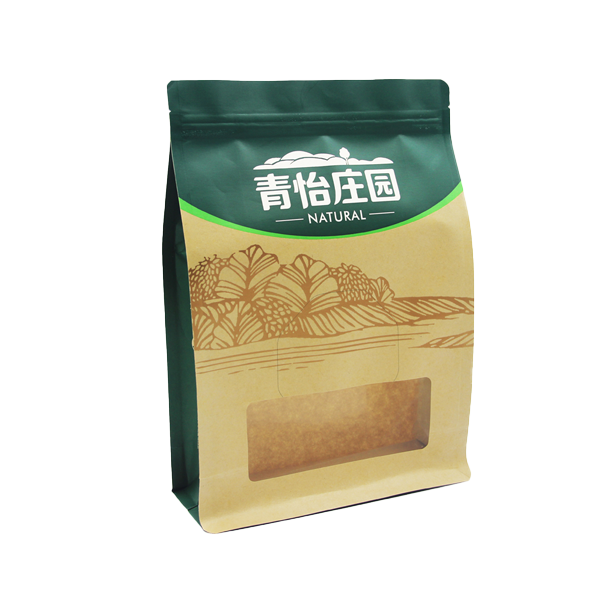
Every brand has a unique identity that must be reflected in its packaging. Ensure that your OEM supplier can offer customization options, including size, shape, color, and printing capabilities. This flexibility allows you to create packaging that resonates with your target audience.
4. Production Capacity and Lead Times
Consider the production capacity of the OEM supplier and their lead times. This is especially important if you expect to scale your operations or launch new products. An ideal supplier should be able to meet your demands without compromising quality.
5. Sustainability Practices
Sustainability is becoming increasingly important in the food packaging industry. Customers are increasingly opting for environmentally friendly products. Select an OEM supplier that prioritizes sustainable practices, such as using recyclable materials or implementing waste-reduction strategies.
6. Pricing and Payment Terms
While quality is paramount, pricing is also a crucial factor. Obtain quotes from multiple suppliers and compare them. Ensure that the pricing aligns with your budget without compromising on quality. Additionally, clarify payment terms to avoid any misunderstandings later on.
7. Customer Reviews and Reputation
Before finalizing your decision, research the supplier’s reputation in the industry. Customer reviews and testimonials can provide valuable insights into the supplier's reliability, communication, and customer service.
8. Location and Logistics
The geographic location of your OEM supplier can influence shipping costs and delivery timelines. Consider suppliers that are geographically convenient or those that have efficient logistics systems in place to ensure timely delivery.
9. Communication and Support
Effective communication is essential for a successful partnership. Ensure your potential OEM supplier is responsive and open to discussions. A supportive supplier can make the process smoother and help resolve any issues that may arise.
10. Regulatory Compliance and Safety Standards
Understanding the regulatory requirements for food packaging is crucial. Ensure that your OEM supplier complies with local and international regulations. A supplier well-versed in compliance can help you avoid legal issues down the line.
Finding Potential OEM Suppliers
With a clear understanding of the factors to consider, it's time to explore how to find potential OEM suppliers.
Online Research and Directories
Utilize online resources and directories that list OEM suppliers. Websites such as Alibaba, ThomasNet, and industry-specific directories can help you find qualified suppliers. Look for reviews and ratings to narrow down your options.
Trade Shows and Industry Events
Attending trade shows and industry events can provide valuable networking opportunities. These events allow you to meet potential suppliers face-to-face, examine their products, and discuss your specific needs in detail.
Requesting Samples and Prototypes
Before making a final decision, request samples or prototypes of the packaging solutions. This hands-on approach allows you to evaluate the quality and functionality of the packaging.
Conducting Site Visits
If feasible, conduct site visits to potential OEM suppliers. Observing their manufacturing processes and facilities can provide critical insights into their operations and quality control measures.
Building a Partnership with Your Supplier
Once you’ve selected an OEM supplier, focus on building a strong partnership. Open communication and regular feedback can help foster a collaborative relationship that benefits both parties.
FAQs About Finding the Right Food Packaging Bag OEM Supplier
1. What should I look for in an OEM supplier for food packaging bags?
Look for quality assurance certifications, range of materials, customization capabilities, production capacity, sustainability practices, and customer reviews.
2. How important is sustainability in food packaging?
Sustainability is crucial as consumers are increasingly aware of environmental impacts. Choosing sustainable packaging can enhance your brand image.
3. Can I request samples from a potential OEM supplier?
Yes, requesting samples is essential before making a decision to ensure the quality and functionality of the packaging.
4. What are common materials used in food packaging bags?
Common materials include polyethylene, polypropylene, biodegradable films, and aluminum.
5. How can I evaluate an OEM supplier’s reputation?
Research customer reviews, testimonials, and ask for references to evaluate a supplier’s reputation.
Conclusion
Choosing the right OEM supplier for your food packaging bags is a critical decision that can influence your product's success in the market. By considering factors such as quality, customization, sustainability, and supplier reputation, you can make an informed choice that aligns with your business goals. Through diligent research and building strong partnerships, we can ensure that our food packaging not only meets industry standards but also resonates with consumers. With the right OEM supplier by your side, your packaging can become a powerful tool for brand identity and consumer engagement.
Keywords:Food Packaging Bag oem
Related News

One stop packaging customization service

You can email us
Coco Ma, Email: coco@zhongbao-group.com
Carrie Chan, Email: sales7@zhongbao-group.com
Head office Address
Room 702, Block A, Jiafeng Building, Jiahe Street, Baiyun District,Guangzhou City, Guangdong Province, China, 510440