news
The Role of Packaging in Building Brand Loyalty: A Comprehensive Guide
Release Time:2024-08-06
The Role of Packaging in Building Brand Loyalty
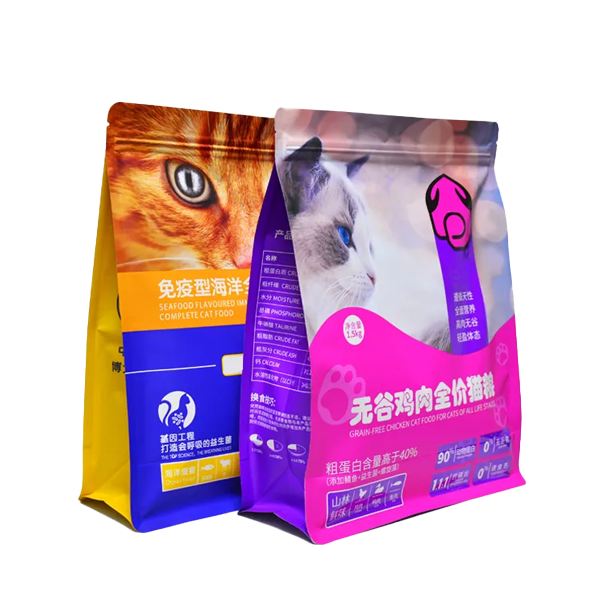
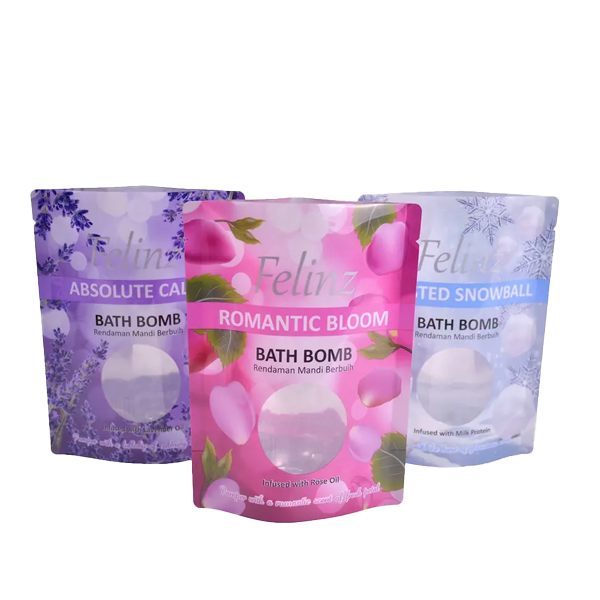
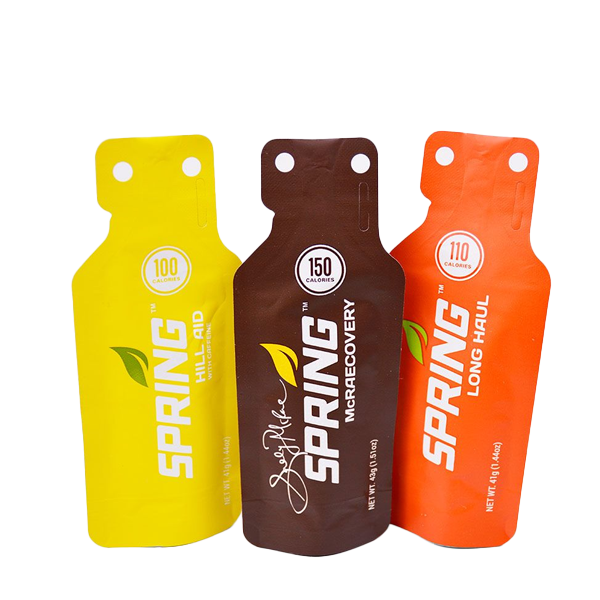
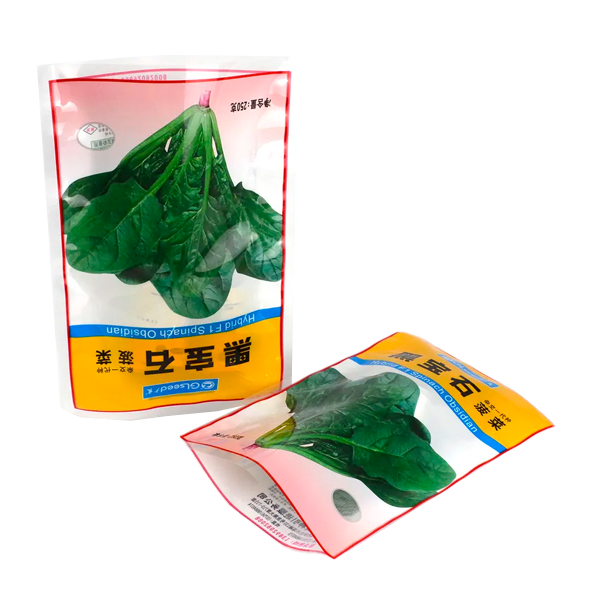
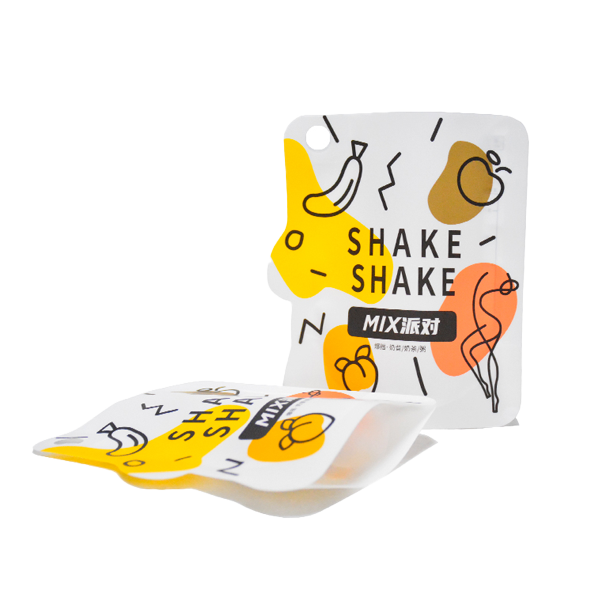
Packaging is often the first point of contact between a brand and its consumers. It serves not only as a means to protect the product but also as a powerful tool in shaping perceptions and building brand loyalty. In an increasingly competitive marketplace, effective packaging can differentiate a brand from its competitors and foster customer loyalty in profound ways.
Understanding Brand Loyalty and Its Importance
Brand loyalty refers to a consumer's commitment to repurchase or continue using a brand's products. It is a valuable asset for any business, as loyal customers often contribute significantly to revenue while also engaging in word-of-mouth marketing. Establishing a strong brand loyalty can lead to repeat purchases, higher profit margins, and a sustainable competitive advantage.
The Psychology Behind Packaging
Packaging goes beyond mere functionality; it plays a crucial role in influencing consumer behavior. The psychology of packaging touches on various elements, including color, shape, texture, and material.
- **Color**: Different colors evoke different emotions and associations. For example, blue often represents trust and reliability, while red can evoke excitement and urgency. Brands can leverage color psychology to align their packaging with the desired brand image.
- **Shape and Size**: Unique shapes or sizes can capture attention and convey a sense of innovation. For instance, a distinctive bottle shape can make the product easily recognizable and memorable.
- **Texture**: The tactile experience of a package significantly impacts consumer perception. A soft-touch finish or embossed logo can create a premium feel, enhancing perceived value.
- **Material**: The choice of packaging material can also communicate brand values. Eco-friendly materials resonate well with environmentally conscious consumers, while luxurious materials can suggest exclusivity.
The Impact of First Impressions
The adage "you never get a second chance to make a first impression" holds true in the world of packaging. A consumer's initial interaction with a product often occurs through its packaging. Eye-catching designs and thoughtful messaging can pique interest and encourage further exploration of a product. Consequently, brands must invest time and resources to ensure that their packaging stands out on the shelf.
How Packaging Enhances Brand Recognition
Distinctive packaging elements contribute to brand recognition, helping consumers easily identify and associate products with specific brands.
- **Consistent Branding**: Maintaining a cohesive design across all products reinforces brand identity. This includes the use of consistent colors, fonts, and logos.
- **Memorability**: Unique packaging designs create lasting impressions. Brands that think outside the box are more likely to remain top-of-mind when consumers make purchasing decisions.
- **Storytelling Through Packaging**: Narratives conveyed through packaging can create emotional connections. For example, a brand may use packaging to highlight its heritage, values, or mission, making it more relatable to consumers.
Innovative Packaging Solutions and Trends
The packaging landscape is continually evolving, influenced by technological advances and changing consumer preferences. Here are some innovative solutions that brands are leveraging to build loyalty:
- **Sustainable Packaging**: As consumers become more environmentally conscious, brands are shifting towards sustainable packaging solutions. Using recyclable, biodegradable, or reusable materials reflects a commitment to sustainability, appealing to eco-friendly consumers.
- **Smart Packaging**: Incorporating technology into packaging, such as QR codes or NFC tags, allows brands to engage with consumers on a deeper level. These features can provide additional product information, usage tips, or even gamification elements.
- **Personalized Packaging**: Customization is a growing trend in packaging. Brands that offer personalized packaging experiences enhance consumer engagement and create memorable moments.
Case Studies: Brands That Got Packaging Right
Understanding the impact of effective packaging strategies is easier when examining real-world examples. Here are a few brands that have successfully leveraged packaging to build brand loyalty:
- **Coca-Cola**: Coca-Cola's iconic contour bottle is a perfect example of how distinctive packaging can enhance brand recognition. Their "Share a Coke" campaign, which featured personalized bottles with consumers' names, created a buzz and fostered emotional connections with customers.
- **Apple**: Apple's minimalist packaging emphasizes simplicity and elegance, reflecting the brand's core values. The unboxing experience is crafted to evoke excitement and anticipation, encouraging brand loyalty.
- **Lush**: Known for its handmade cosmetics, Lush focuses on sustainable packaging and transparency. Their eco-friendly initiatives resonate with environmentally-conscious consumers, fostering loyalty through shared values.
Best Practices for Packaging Design
To maximize the potential of packaging in building brand loyalty, brands should consider the following best practices:
1. **Conduct Market Research**: Understanding consumer preferences and behavior is crucial in designing effective packaging. Surveys, focus groups, and A/B testing can provide valuable insights.
2. **Emphasize Quality**: High-quality packaging materials convey a sense of value and reinforce brand reputation. Invest in durable materials that enhance the product experience.
3. **Test and Iterate**: Packaging design is not a one-time task. Brands should continually evaluate packaging effectiveness and be willing to make adjustments based on consumer feedback.
4. **Engage Consumers**: Create packaging experiences that encourage consumer interaction. This could include contests, social media engagement, or loyalty programs promoted through packaging.
The Role of Packaging in E-commerce
With the rise of online shopping, packaging takes on an even more critical role in the customer experience.
- **Protection During Transit**: Effective packaging ensures that products arrive in excellent condition. Brands should focus on protective materials that minimize damage during shipping.
- **Unboxing Experience**: The unboxing experience can influence customer satisfaction. Thoughtfully designed packaging can create memorable moments that encourage consumers to share their experiences on social media.
- **Clear Branding**: Packaging that is easily recognizable helps reinforce brand identity even when products are purchased online. Consistency between online and offline packaging strengthens overall brand loyalty.
Measuring the Impact of Packaging on Brand Loyalty
Evaluating the effectiveness of packaging in building brand loyalty requires careful analysis. Brands can use the following metrics:
- **Customer Feedback**: Collecting feedback through surveys and reviews can provide insights into consumer perceptions of packaging.
- **Sales Data**: Monitoring sales data before and after packaging changes can indicate the impact of packaging on consumer behavior.
- **Brand Sentiment Analysis**: Social media monitoring tools can track conversations around packaging, providing a pulse on consumer sentiment towards a brand.
Frequently Asked Questions (FAQs)
1. How does packaging influence buying decisions?
Packaging influences buying decisions by capturing attention, conveying brand values, and creating emotional connections. Consumers often make split-second decisions based on packaging aesthetics and functionality.
2. What are the key elements of effective packaging?
Effective packaging includes eye-catching design, high-quality materials, clear branding, and thoughtful messaging that resonates with the target audience.
3. How can brands ensure their packaging is sustainable?
Brands can ensure sustainability by using recyclable or biodegradable materials, minimizing packaging waste, and engaging in eco-friendly practices throughout the supply chain.
4. What role does innovation play in packaging?
Innovation in packaging, such as smart technology or personalized experiences, can enhance consumer engagement, set a brand apart from competitors, and foster loyalty.
5. How can brands measure the success of their packaging efforts?
Brands can measure the success of packaging efforts through customer feedback, sales data analysis, and brand sentiment analysis to determine the impact on consumer loyalty.
Conclusion
Packaging serves as a vital component in building brand loyalty, acting as both a functional and emotional touchpoint for consumers. By understanding the psychology of packaging and embracing innovative design practices, brands can create impactful packaging that resonates with their audience. From enhancing brand recognition to fostering emotional connections, effective packaging strategies can pave the way for lasting customer loyalty and sustained business growth. Investing in thoughtful packaging design is not just an option; it is a necessity in today's competitive marketplace.
Keywords:china Food Snacks Packaging Bag
Related News

One stop packaging customization service

You can email us
Coco Ma, Email: coco@zhongbao-group.com
Carrie Chan, Email: sales7@zhongbao-group.com
Office
Add: Room 1501, Building D, Suijin Center, No. 57, Jinshi 4th Road, Dayuan Street, Baiyun District, Guangzhou, Guangdong Province, China
Factory
Add: 2F, Building B, Ye Yi 'an Plant, Pingtang Industrial Park, Guanyao Dalan, Shishan Town, Nanhai District, Foshan City, China