news
The Crucial Role of Food Packaging in the Supply Chain: Ensuring Safety, Freshness, and Efficiency
Release Time:2024-08-04
The Crucial Role of Food Packaging in the Supply Chain: Ensuring Safety, Freshness, and Efficiency
Table of Contents
1. Introduction to Food Packaging in the Supply Chain
2. The Importance of Food Packaging
3. Key Functions of Food Packaging
3.1. Preservation of Freshness
3.2. Safety and Compliance
3.3. Branding and Consumer Appeal
4. Types of Food Packaging Materials
4.1. Plastic Packaging
4.2. Paper and Cardboard Packaging
4.3. Glass Packaging
4.4. Metal Packaging
5. Innovations in Food Packaging
6. Sustainability in Food Packaging
7. Challenges in Food Packaging
8. Future Trends in Food Packaging
9. Frequently Asked Questions (FAQs)
10. Conclusion
1. Introduction to Food Packaging in the Supply Chain
Food packaging is not just about aesthetics; it plays a fundamental role in the supply chain for food products. In an industry where freshness, safety, and compliance are paramount, effective packaging is indispensable. As consumers become increasingly aware of food safety issues, the importance of **food packaging** has only grown. This article delves into the many facets of food packaging, including its critical functions, materials used, innovations, and the challenges faced in today’s market.
2. The Importance of Food Packaging
Food packaging is essential for several reasons. It ensures that products remain uncontaminated during transit, preserves the freshness of perishable items, and communicates vital information to consumers. Additionally, effective packaging can enhance a product's shelf life, thereby reducing food waste and promoting sustainability.
3. Key Functions of Food Packaging
Understanding the key functions of food packaging provides insight into why it is so crucial in the supply chain.
3.1. Preservation of Freshness
Food products are susceptible to spoilage due to exposure to air, moisture, and light. Proper packaging protects items from these elements, thus preserving freshness. For instance, vacuum-sealed packaging removes air around food products, significantly extending their shelf life.
3.2. Safety and Compliance
Regulatory bodies enforce strict guidelines regarding food safety. Packaging serves as a barrier against contaminants and ensures compliance with these regulations. Labels indicating expiration dates and ingredient lists help consumers make informed choices.
3.3. Branding and Consumer Appeal
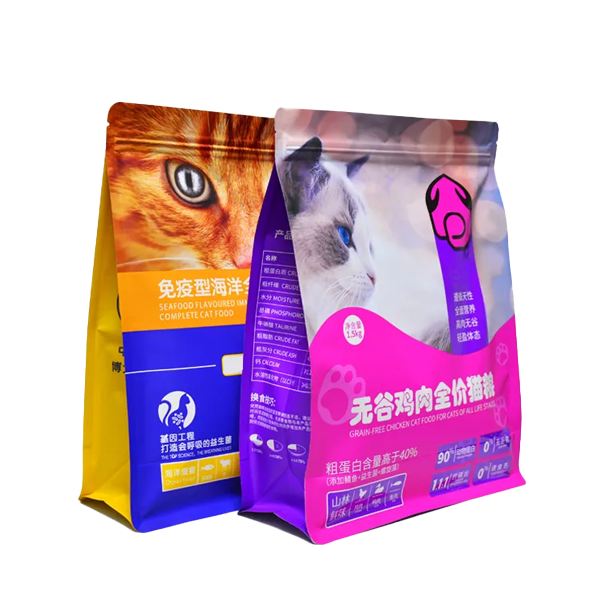
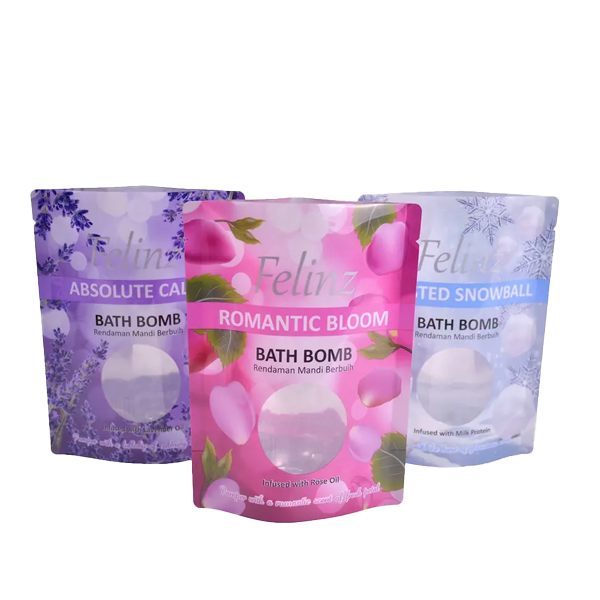
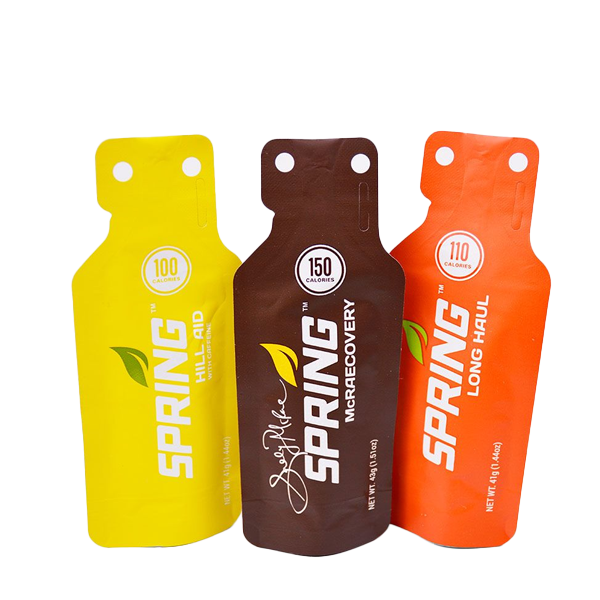
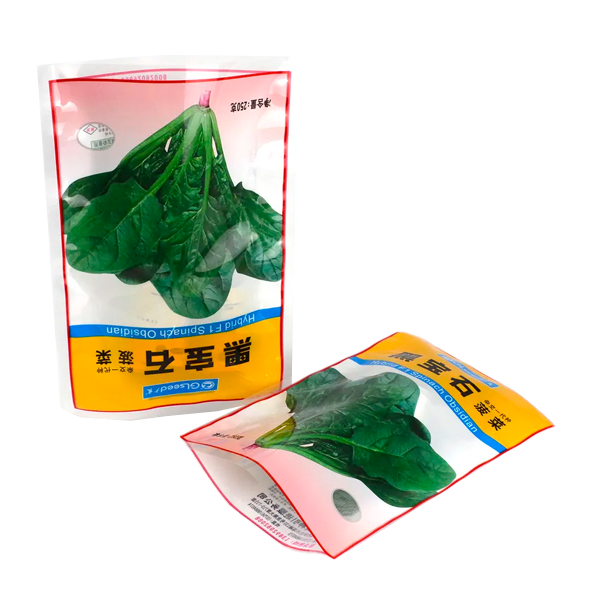
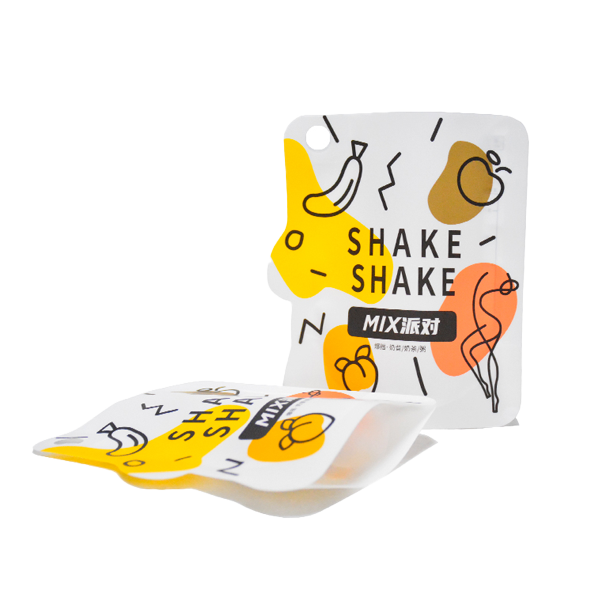
Packaging is a powerful marketing tool. Creative designs and informative labels attract consumers and convey brand values. Eye-catching packaging can significantly influence purchasing decisions, making it a critical component of the marketing strategy.
4. Types of Food Packaging Materials
Various materials are used in food packaging, each with distinct advantages and disadvantages.
4.1. Plastic Packaging
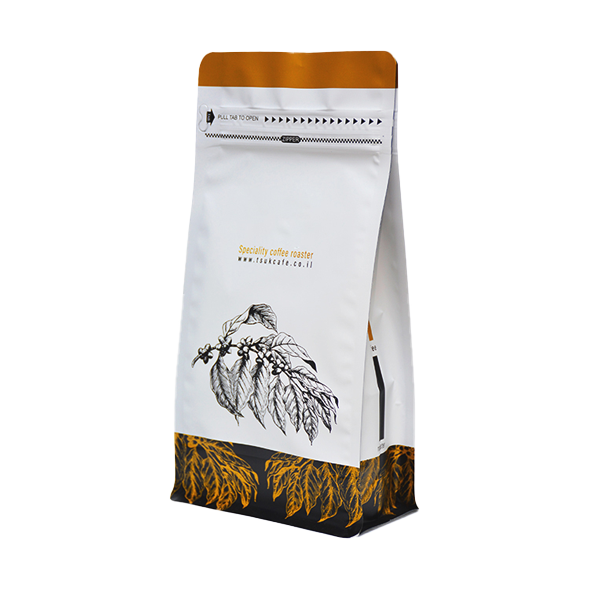
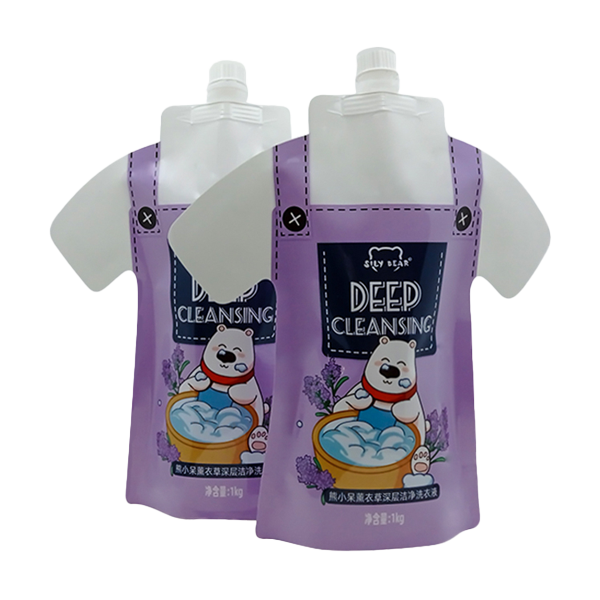
Plastic is one of the most widely used packaging materials due to its versatility and durability. It can be molded into various shapes and sizes, making it ideal for everything from single-serving items to bulk packaging.
4.2. Paper and Cardboard Packaging
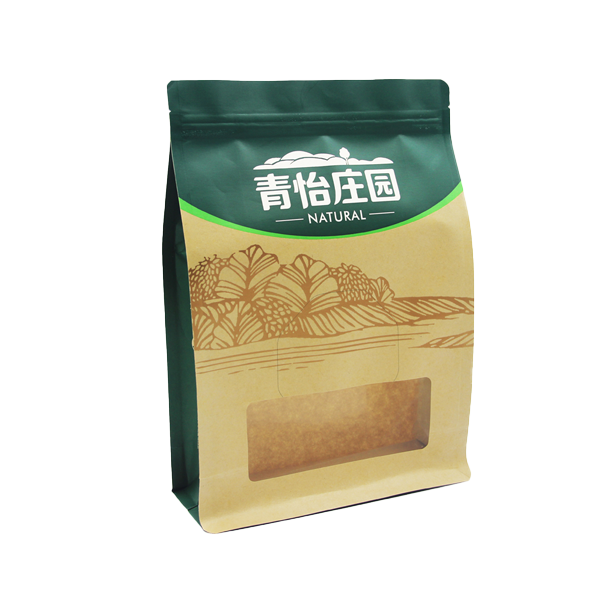
Eco-friendly options such as paper and cardboard are gaining popularity. These materials are biodegradable and recyclable, which appeals to environmentally-conscious consumers. They are often used for products like cereals and snacks.
4.3. Glass Packaging
Glass packaging is non-reactive and does not leach harmful chemicals into food. It is excellent for preserving flavor and freshness, making it a preferred choice for items like sauces, jams, and beverages.
4.4. Metal Packaging
Metal packaging, especially aluminum and tin, offers excellent protection against light and air. It is commonly used for canned goods, ensuring long shelf life and safety.
5. Innovations in Food Packaging
The food packaging industry is evolving with technological advancements. Innovations such as smart packaging, which can monitor freshness and quality, are on the rise. Additionally, developments in biodegradable materials promise to make packaging more sustainable.
6. Sustainability in Food Packaging
Sustainable packaging practices are critical in addressing environmental concerns. Many companies are transitioning to biodegradable, compostable, or recyclable materials. These practices not only minimize waste but also boost brand reputation among eco-conscious consumers.
7. Challenges in Food Packaging
Despite advancements, challenges persist in food packaging. Issues such as rising material costs, regulatory compliance, and consumer expectations for sustainable practices create a complex landscape for manufacturers. Additionally, maintaining balance between protection and convenience can be difficult.
8. Future Trends in Food Packaging
The future of food packaging looks promising. Trends such as increased use of intelligent packaging, which can track and communicate the status of food products, are likely to become mainstream. Furthermore, the shift towards more sustainable materials will continue to shape the industry.
9. Frequently Asked Questions (FAQs)
**Q1: Why is food packaging important?**
A1: Food packaging is crucial for preserving freshness, ensuring safety, and providing information to consumers.
**Q2: What materials are commonly used in food packaging?**
A2: Common materials include plastic, paper, cardboard, glass, and metal.
**Q3: How does food packaging impact shelf life?**
A3: Proper packaging protects against spoilage, contaminants, and environmental factors, extending shelf life.
**Q4: What is sustainable packaging?**
A4: Sustainable packaging involves using biodegradable, recyclable, or compostable materials to minimize environmental impact.
**Q5: What are the latest innovations in food packaging?**
A5: Innovations include smart packaging that monitors freshness and advances in biodegradable materials.
10. Conclusion
Food packaging plays a pivotal role in the supply chain, ensuring the safety, freshness, and appeal of food products. As the industry evolves, innovations and sustainability practices will continue to shape the future of food packaging. By understanding the intricate functions and materials involved, stakeholders can make informed decisions that enhance product integrity and consumer satisfaction. Emphasizing effective food packaging not only promotes safety and compliance but also drives brand loyalty and environmental responsibility.
Keywords:Food Packaging Bag company
Related News

One stop packaging customization service

You can email us
Coco Ma, Email: coco@zhongbao-group.com
Carrie Chan, Email: sales7@zhongbao-group.com
Office
Add: Room 1501, Building D, Suijin Center, No. 57, Jinshi 4th Road, Dayuan Street, Baiyun District, Guangzhou, Guangdong Province, China
Factory
Add: 2F, Building B, Ye Yi 'an Plant, Pingtang Industrial Park, Guanyao Dalan, Shishan Town, Nanhai District, Foshan City, China