news
Unwrapping the Secrets of Food Snacks Packaging Bags
Release Time:2024-05-27
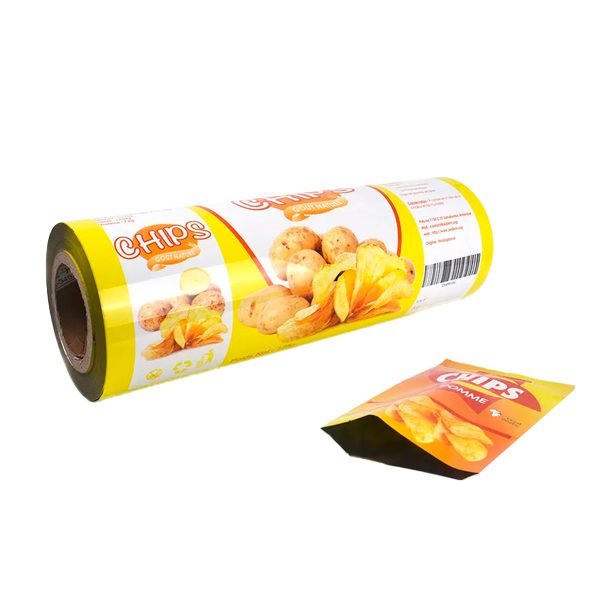
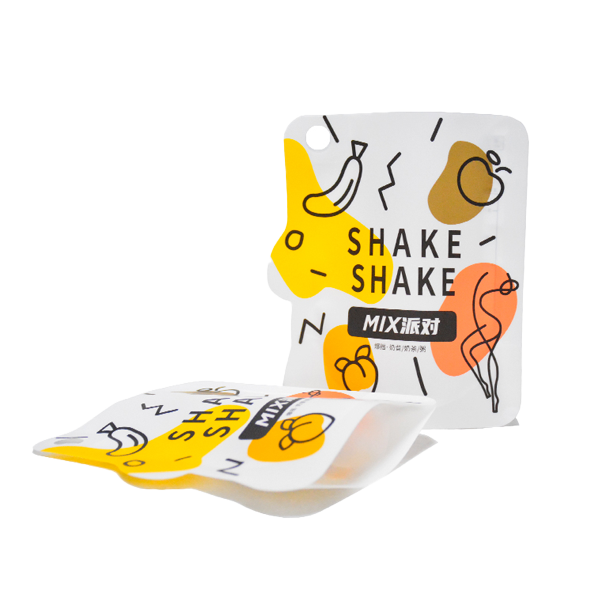
Food snacks packaging bags play a crucial role in the service industry, especially in the packaging and printing processing sector. These bags are not just containers for your favorite snacks, but also a reflection of the brand's identity and values. Let's dive into the world of food snacks packaging bags and uncover some interesting facts about their design and functionality.
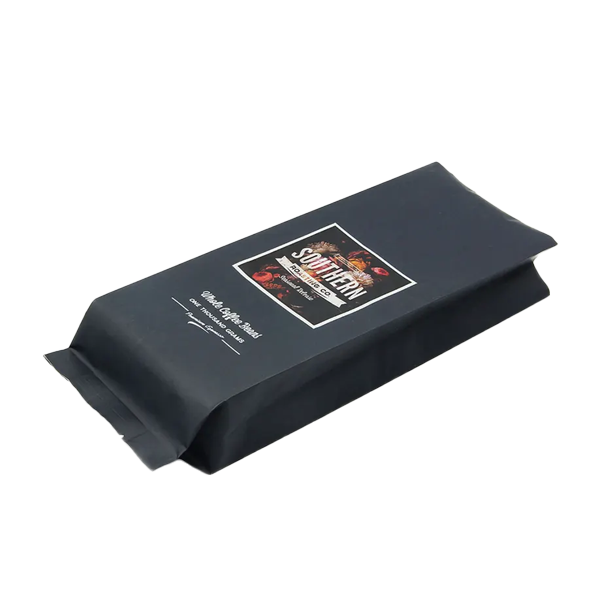
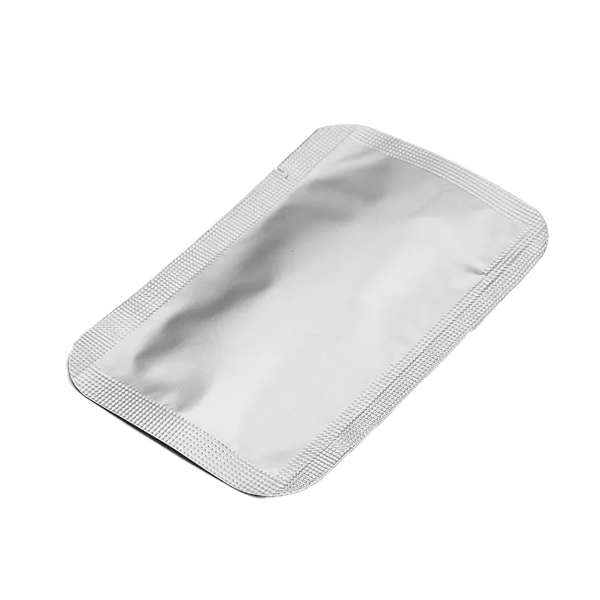
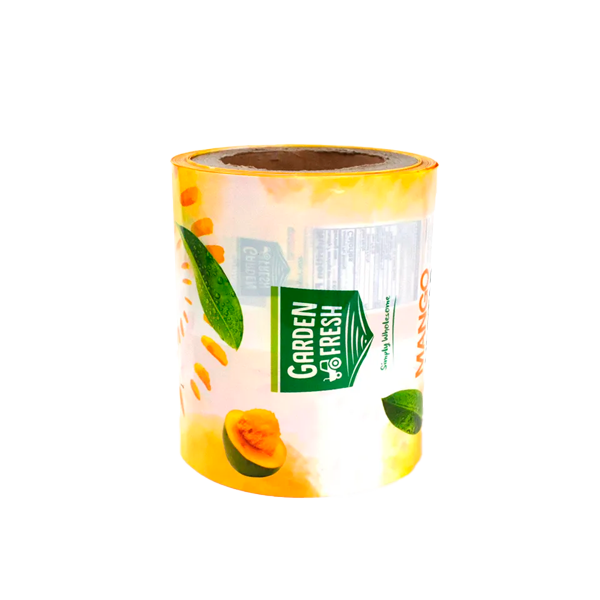
When it comes to food snacks packaging bags, material choice is key. Manufacturers often opt for materials that are durable, flexible, and food-safe. Common materials used for these bags include polyethylene, polypropylene, and laminated films. These materials help to protect the snacks from external factors such as moisture, light, and air, ensuring their freshness and quality.
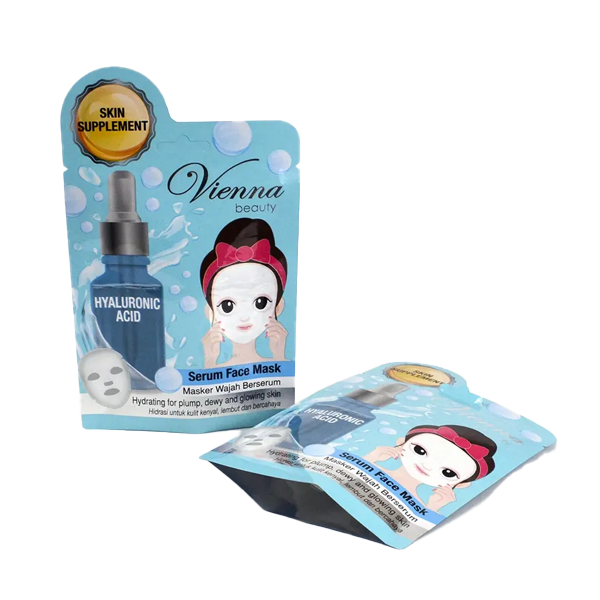
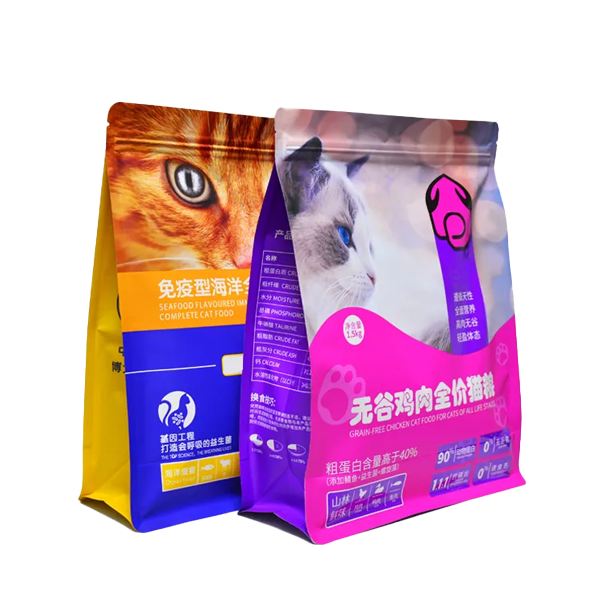
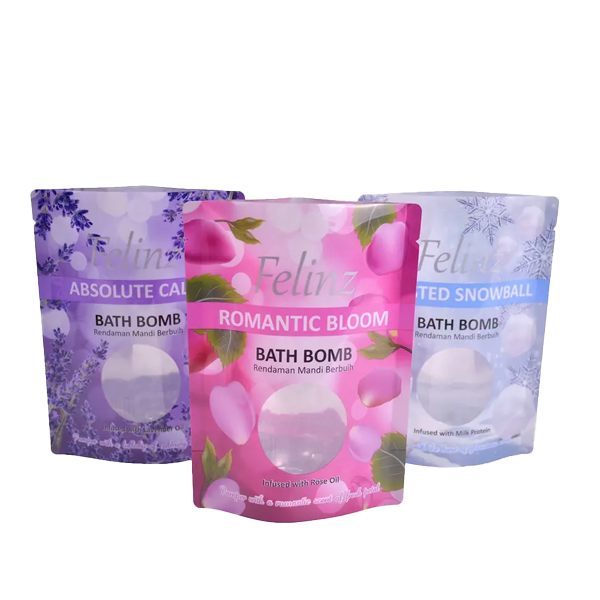
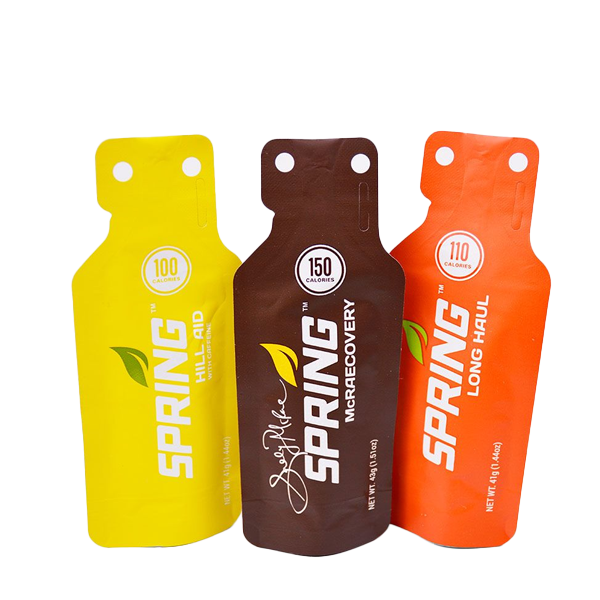
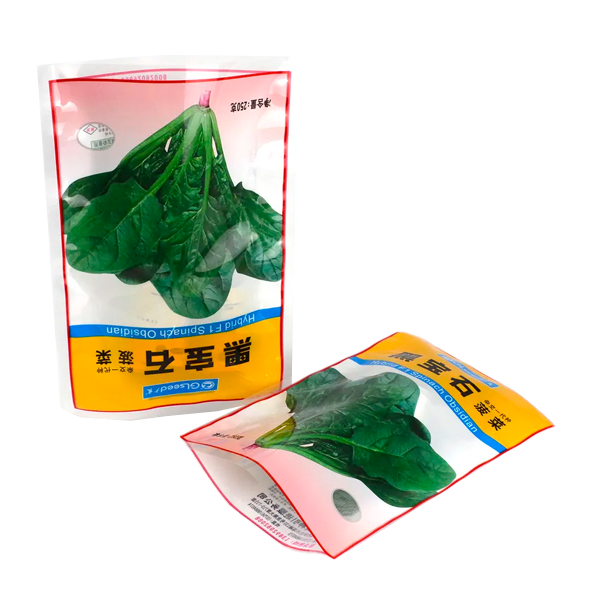
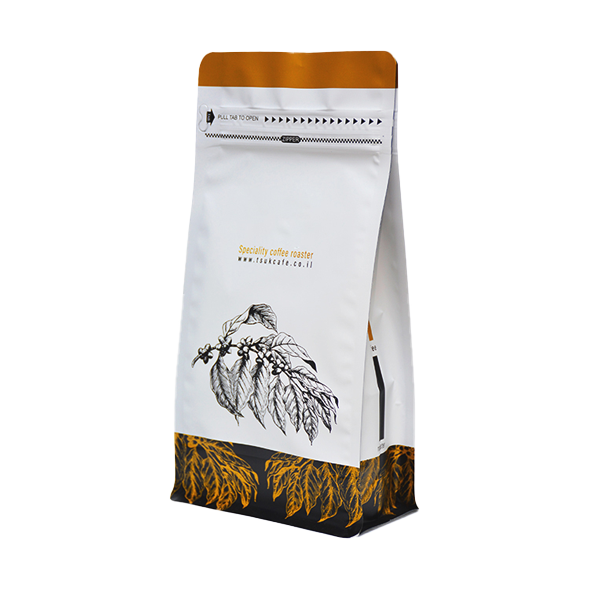
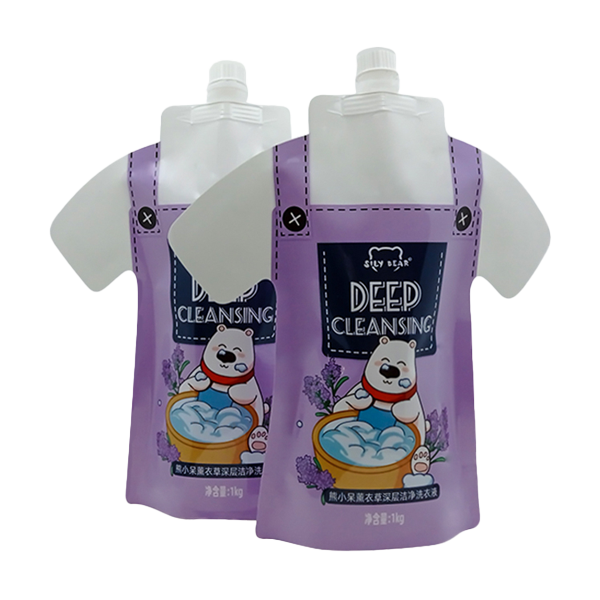
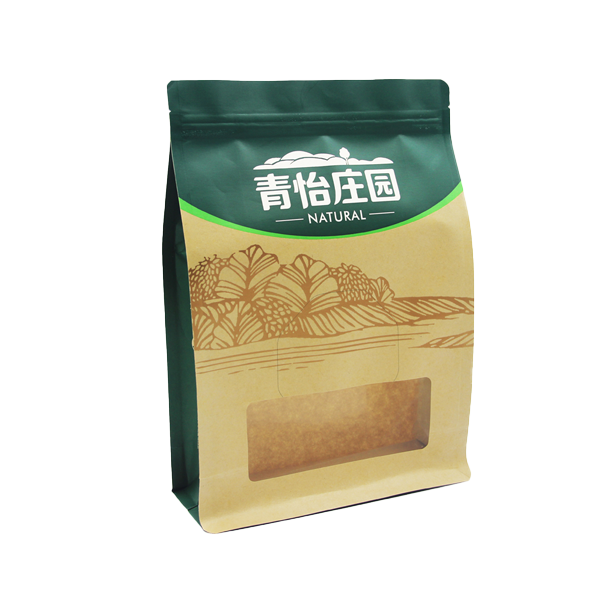
In terms of design, food snacks packaging bags come in a variety of shapes, sizes, and styles. Whether it's a stand-up pouch, a flat bottom bag, or a resealable bag, the design of the packaging plays a significant role in attracting customers and enhancing the overall experience. Eye-catching graphics, vibrant colors, and innovative features like easy-open seals or tear notches can make a big difference in the consumer's perception of the product.
Aside from aesthetics, functionality is another important aspect of food snacks packaging bags. Manufacturers often incorporate features like resealable zippers, tear notches, and clear windows to make it easier for consumers to access and store their snacks. These features not only enhance the user experience but also contribute to the overall convenience and sustainability of the packaging.
In conclusion, food snacks packaging bags are more than just a means to transport snacks. They are a blend of creativity, functionality, and practicality, designed to protect and showcase the product inside. By understanding the importance of material choice, design elements, and functionality, businesses in the service industry can create packaging that not only appeals to customers but also reflects their commitment to quality and innovation.
Keywords:Food Snacks Packaging Bag
Related News

One stop packaging customization service

You can email us
Coco Ma, Email: coco@zhongbao-group.com
Carrie Chan, Email: sales7@zhongbao-group.com
Head office Address
Room 702, Block A, Jiafeng Building, Jiahe Street, Baiyun District,Guangzhou City, Guangdong Province, China, 510440