news
Food Packaging Bag Design Tips and Tricks
Release Time:2024-04-05
**Introduction**
When it comes to food packaging, design plays a crucial role in attracting customers and conveying the brand's message. In today's competitive market, it's essential to create packaging that not only protects the product but also stands out on the shelves. In this article, we will discuss some expert tips and tricks for designing food packaging bags that will help you make a lasting impression on consumers.
**Understanding Your Brand Identity**
Before you start designing your food packaging bags, it's essential to have a clear understanding of your brand identity. Your packaging should reflect your brand values, mission, and target audience. Consider what sets your brand apart from competitors and how you can communicate that through your packaging design.
**Choosing the Right Materials**
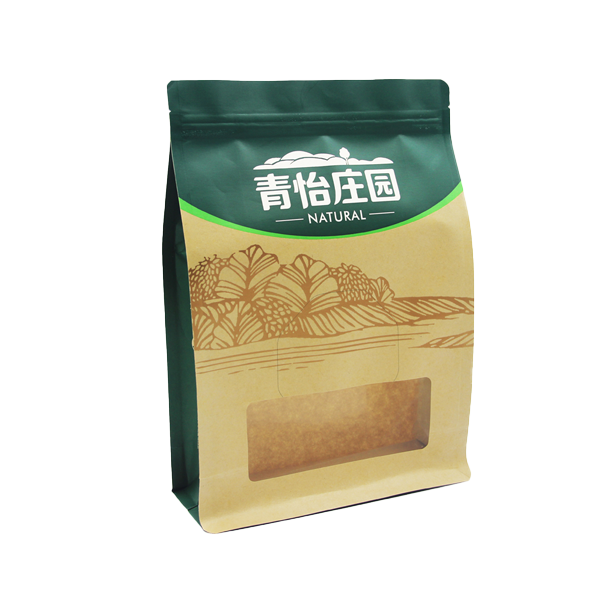
The materials you choose for your food packaging bags can make a significant impact on the overall design and functionality. Consider factors such as durability, sustainability, and design flexibility when selecting materials. Eco-friendly options such as recyclable or biodegradable materials are becoming increasingly popular among consumers.
**Eye-catching Graphics and Colors**
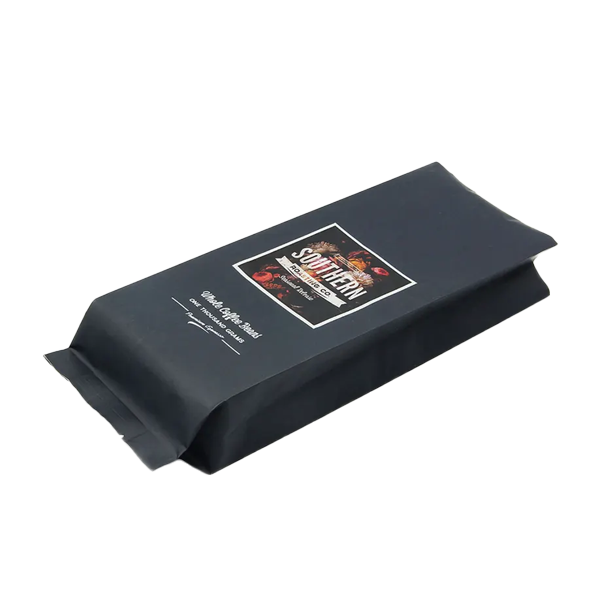
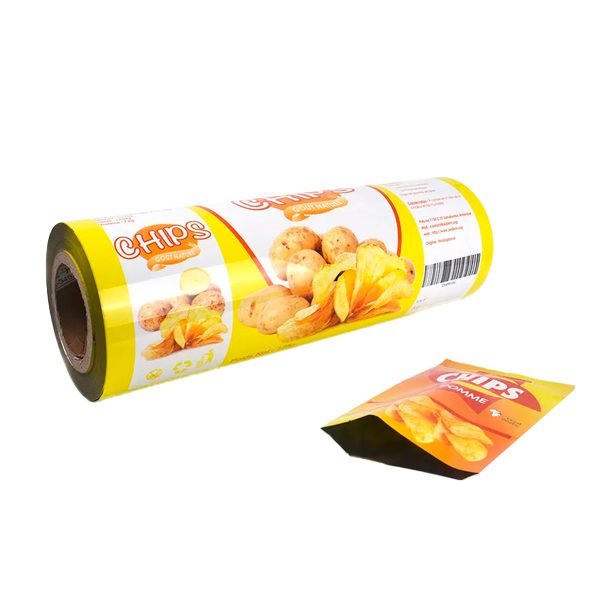
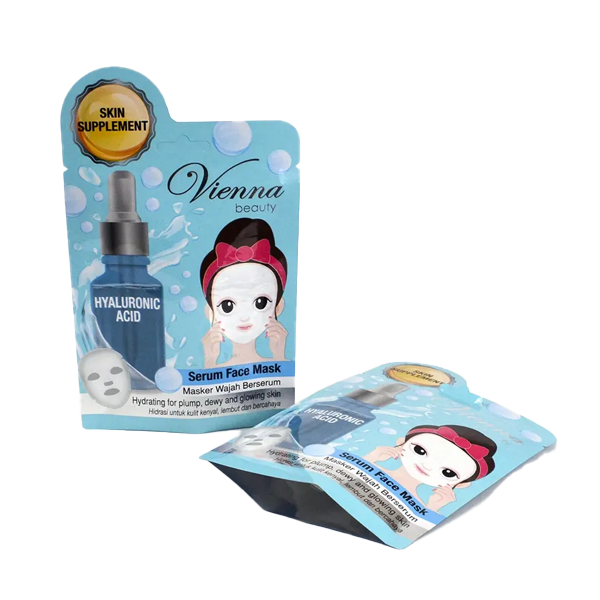
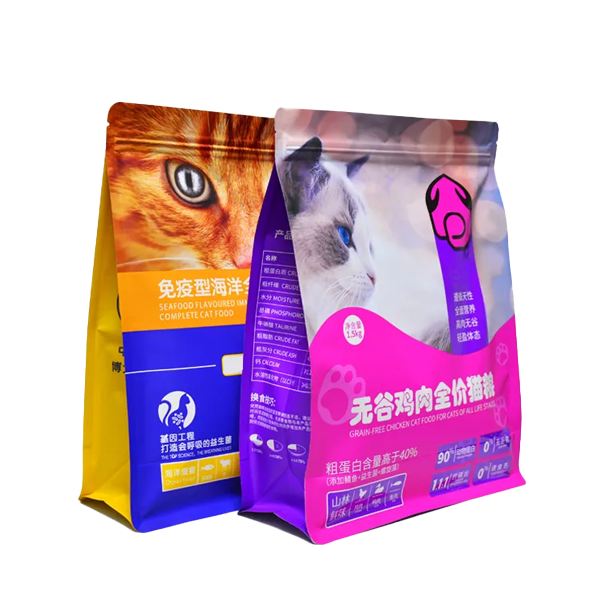
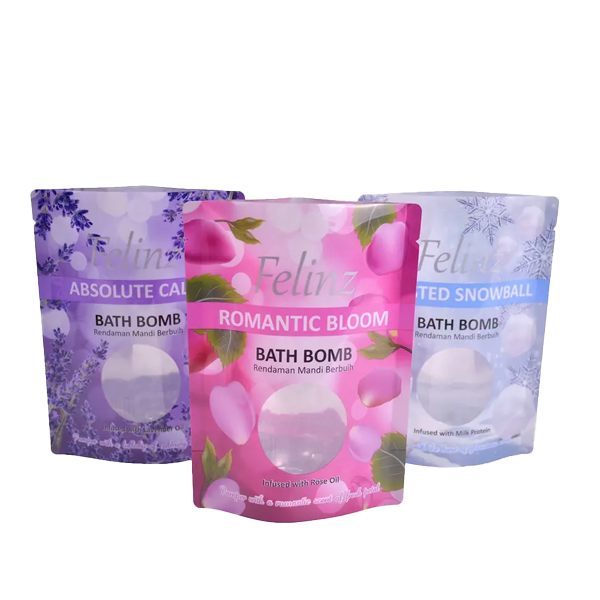
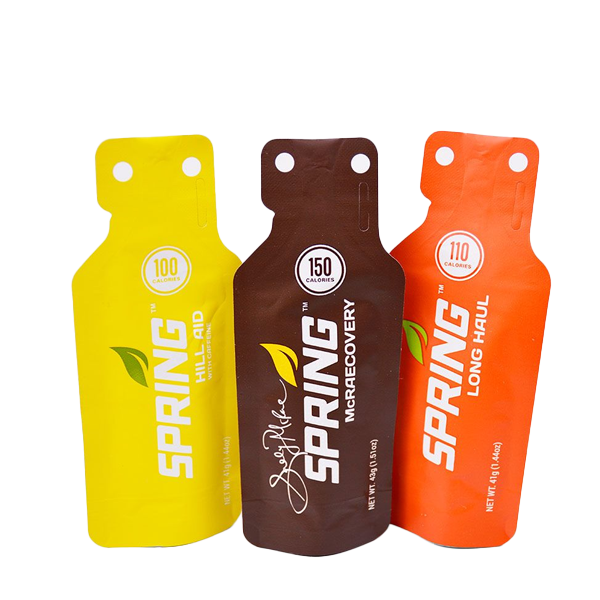
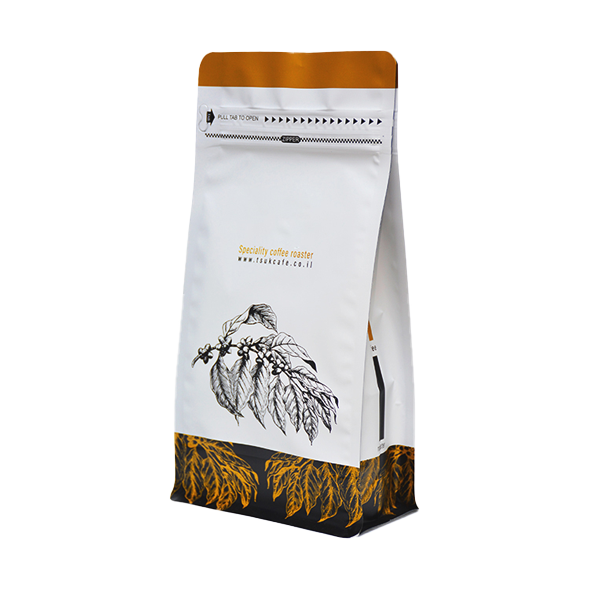
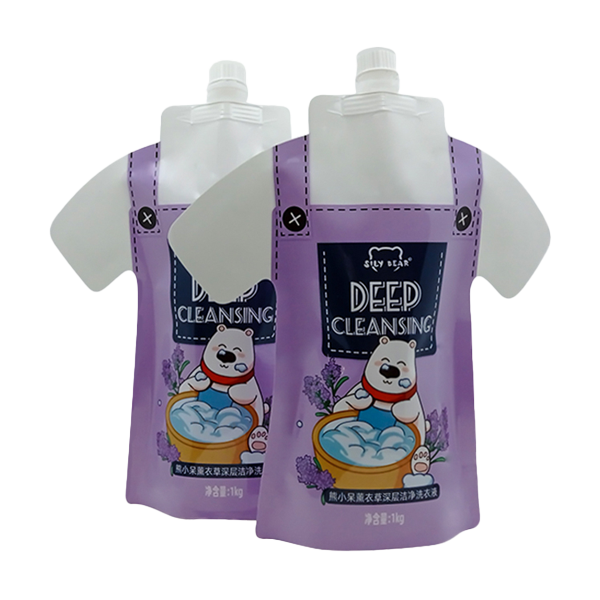
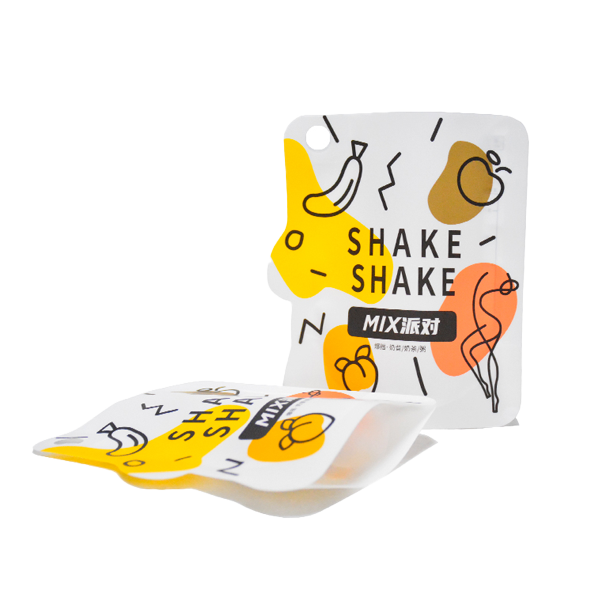
One of the most critical aspects of food packaging design is the use of eye-catching graphics and colors. Vibrant colors, bold typography, and engaging imagery can help your packaging stand out on the shelves and attract the attention of consumers. Consider incorporating elements that reflect the product inside and appeal to your target audience.
**Typography and Brand Messaging**
Typography plays a crucial role in conveying your brand messaging and product information. Choose fonts that are easy to read and align with your brand's aesthetic. Consider incorporating brand slogans or key product features to communicate with consumers effectively. Make sure the text is legible and prominently placed on the packaging.
**Functional Design Elements**
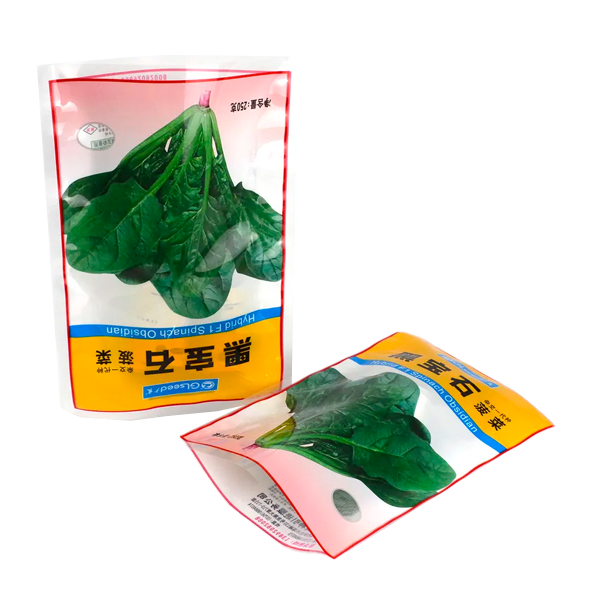
In addition to aesthetics, it's essential to consider functional design elements when designing food packaging bags. Ensure that the packaging is easy to open, resealable, and properly protects the product inside. Consider adding features such as handles, windows, or compartments for added convenience and usability.
**Testing and Feedback**
Before finalizing your food packaging design, it's crucial to test the packaging with real consumers and gather feedback. Conduct focus groups or surveys to gauge consumer reactions and make any necessary adjustments. Pay attention to feedback on aesthetics, functionality, and overall appeal.
**Sustainability and Eco-friendly Practices**
In today's environmentally conscious world, consumers are increasingly looking for sustainable and eco-friendly packaging options. Consider incorporating recyclable or biodegradable materials into your packaging design to appeal to eco-conscious consumers. Communicate your sustainability efforts on the packaging to resonate with environmentally aware customers.
**Conclusion**
Designing food packaging bags that stand out and appeal to consumers requires a thoughtful approach that considers brand identity, materials, graphics, typography, functional elements, and sustainability. By following these expert tips and tricks, you can create packaging that not only protects your product but also leaves a lasting impression on consumers. Start implementing these design strategies today to elevate your brand and attract more customers.
Keywords:Food Packaging Bag company
Related News

One stop packaging customization service

You can email us
Coco Ma, Email: coco@zhongbao-group.com
Carrie Chan, Email: sales7@zhongbao-group.com
Office
Add: Room 1501, Building D, Suijin Center, No. 57, Jinshi 4th Road, Dayuan Street, Baiyun District, Guangzhou, Guangdong Province, China
Factory
Add: 2F, Building B, Ye Yi 'an Plant, Pingtang Industrial Park, Guanyao Dalan, Shishan Town, Nanhai District, Foshan City, China