


news
The Role of Food Packaging Bags in the Service Packaging and Printing Industry: Exploring the Key Features and Benefits
Release Time:2024-02-01
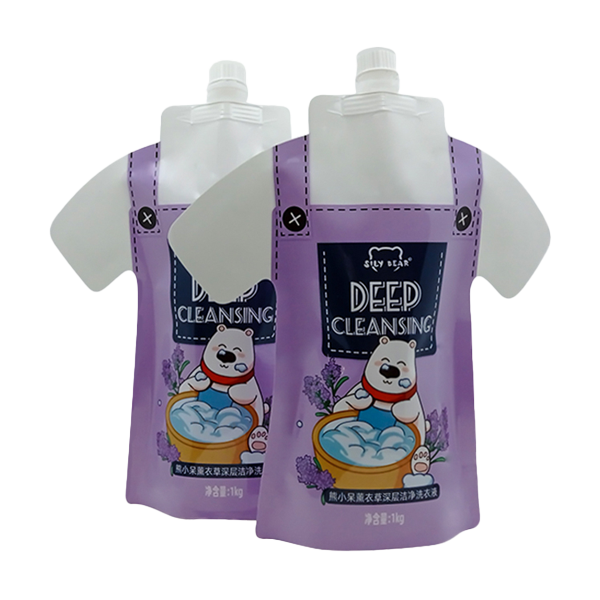
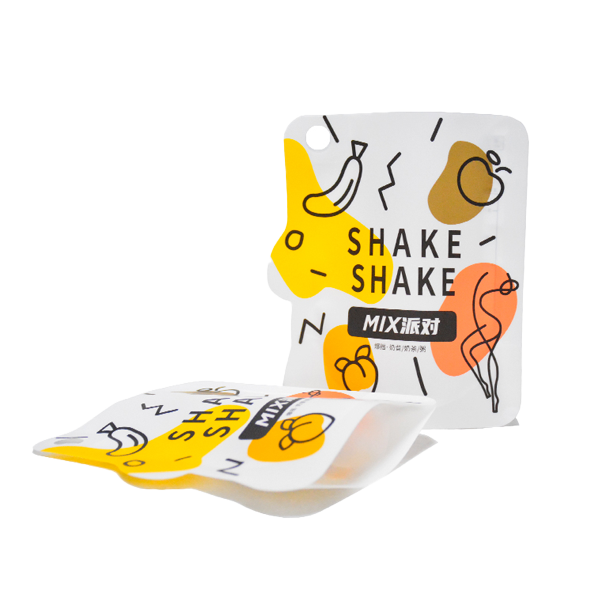
Food Packaging Bag: Ensuring Safety and Convenience in the Service Packaging and Printing Industry
Introduction:
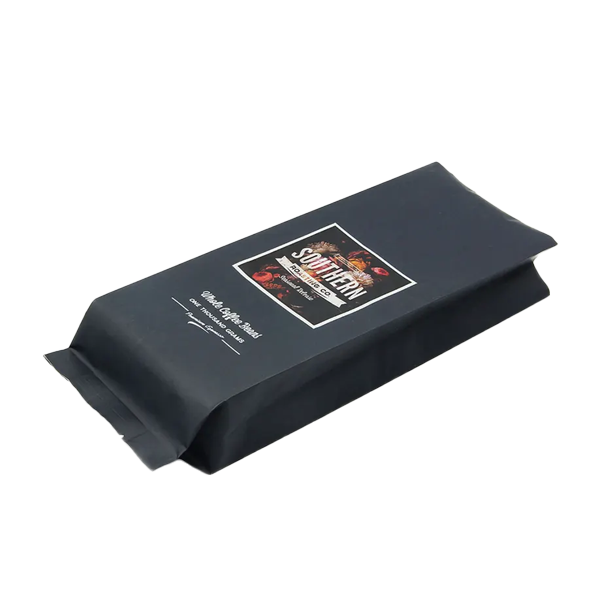
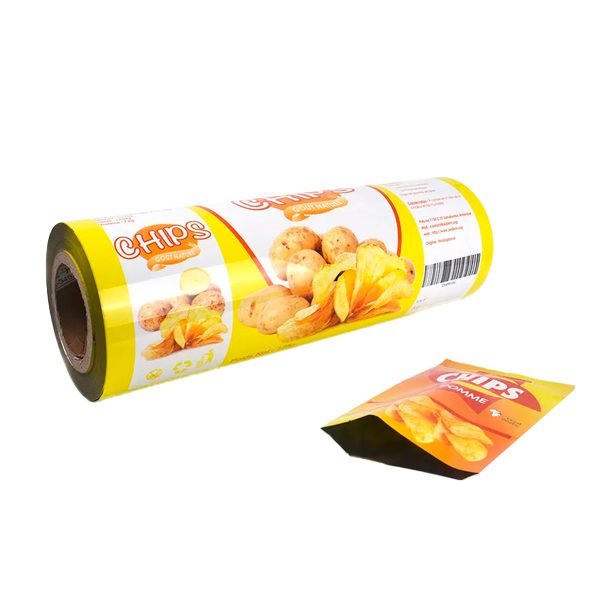
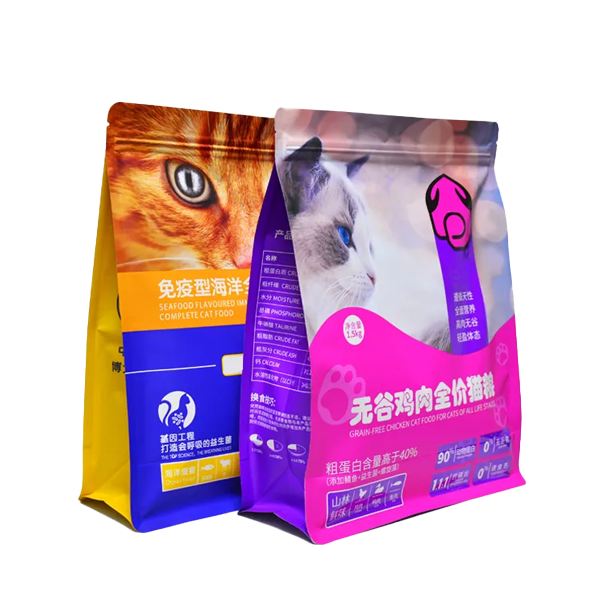
Food packaging bags are indispensable in the service packaging and printing industry, where they serve as a vital tool for preserving the quality and safety of food products. This article explores the key features and benefits of food packaging bags, shedding light on their significance in ensuring the integrity of food items throughout the supply chain.
1. Preserving Freshness:
Food packaging bags are designed to extend the shelf life of perishable goods by creating a protective barrier against external elements. These bags often incorporate advanced technologies such as moisture resistance, oxygen barrier properties, and UV protection to maintain the freshness of the packaged food. By preventing the entry of air, light, and moisture, food packaging bags help preserve the taste, texture, and nutritional value of the products.
2. Preventing Contamination:
One of the primary functions of food packaging bags is to safeguard food items from contamination. They act as a shield against physical, chemical, and biological hazards, ensuring that the products remain safe for consumption. Food packaging bags are manufactured using food-grade materials, which are free from harmful chemicals and are compliant with food safety regulations. Additionally, their tamper-evident features provide visible indications of any potential tampering, giving customers peace of mind.
3. Enhancing Product Visibility:
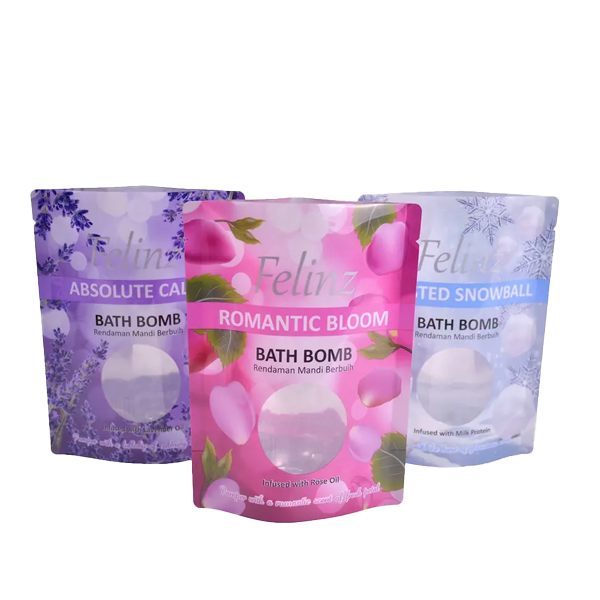
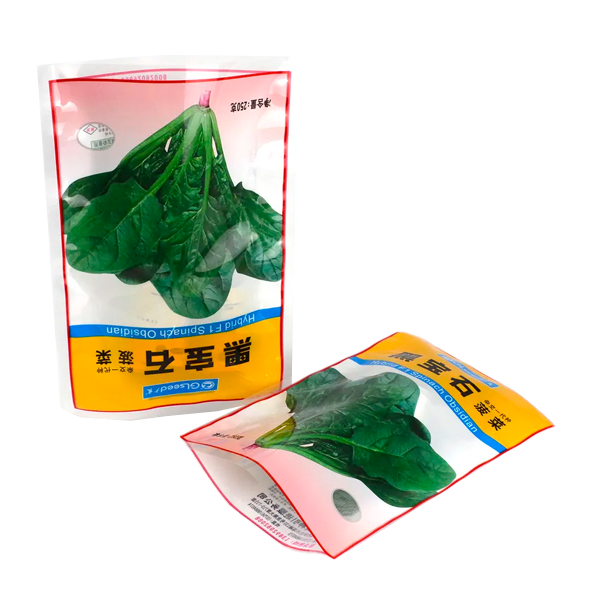
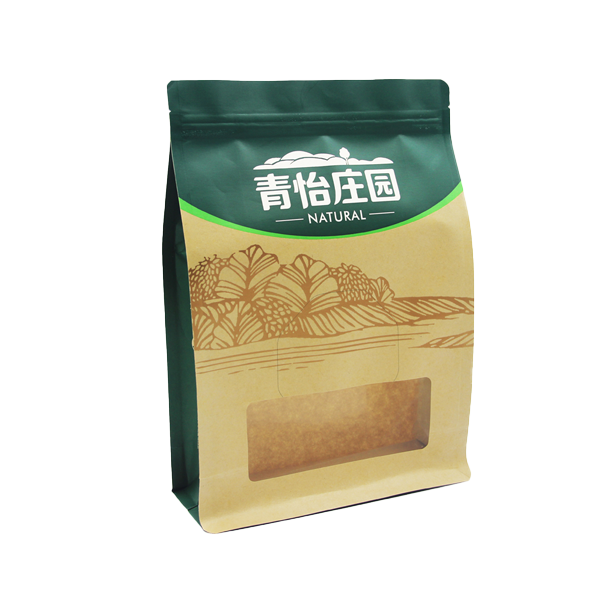
Food packaging bags play a crucial role in showcasing the food products to customers. Transparent or semi-transparent bags allow consumers to visually inspect the contents, ensuring transparency and building trust. Clear windows or panels incorporated into the bags enable customers to evaluate the quality, freshness, and appearance of the food items before purchase. This visual appeal can significantly influence the buying decision and contribute to brand loyalty.
4. Ensuring Convenience:
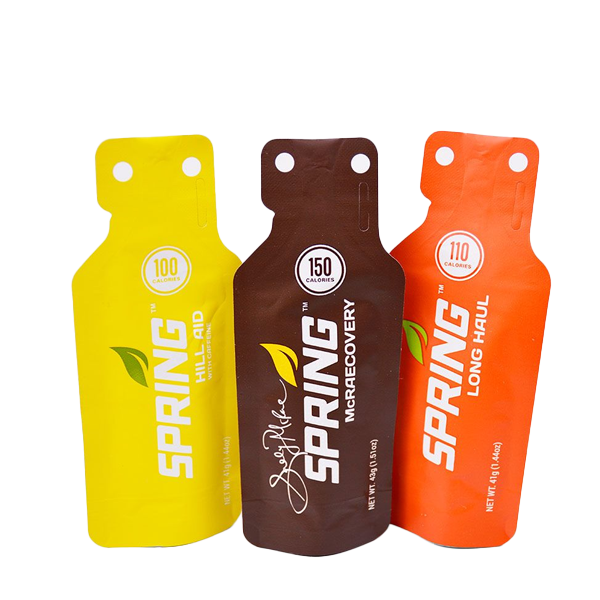
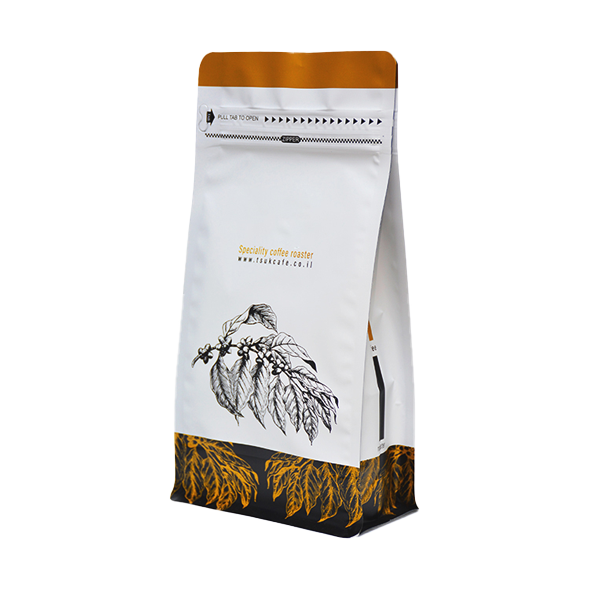
Food packaging bags are designed to enhance convenience for both businesses and customers. With features such as resealable zippers, easy-open tear notches, and ergonomic handles, these bags provide ease of use and facilitate portion control. The lightweight and flexible nature of food packaging bags make them easy to transport, store, and handle. Moreover, their stackability optimizes storage space and facilitates efficient distribution.
Conclusion:
Food packaging bags are essential components of the service packaging and printing industry. Their key features, including freshness preservation, contamination prevention, product visibility enhancement, and convenience, make them invaluable for businesses and customers alike. By investing in high-quality food packaging bags, businesses can ensure the safety and appeal of their food products, while customers can enjoy the convenience and peace of mind they offer.
Keywords:Food Packaging Bag
Related News

One stop packaging customization service

You can email us
Coco Ma, Email: coco@zhongbao-group.com
Carrie Chan, Email: sales7@zhongbao-group.com
Office
Add: Room 1501, Building D, Suijin Center, No. 57, Jinshi 4th Road, Dayuan Street, Baiyun District, Guangzhou, Guangdong Province, China
Factory
Add: 2F, Building B, Ye Yi 'an Plant, Pingtang Industrial Park, Guanyao Dalan, Shishan Town, Nanhai District, Foshan City, China