news
The Future of Food Packaging: Flat Bottom Bags Revolutionizing the Industry.
Release Time:2024-01-05
Table of Contents:
1. Introduction: The Evolution of Food Packaging
2. What Are Flat Bottom Bags?
3. The Innovative Features of Flat Bottom Bags
4. Benefits of Flat Bottom Bags
5. Applications of Flat Bottom Bags
6. The Popularity and Consumer Appeal of Flat Bottom Bags
7. Enhancing Product Freshness with Flat Bottom Bags
8. Sustainability and Flat Bottom Bags
9. FAQs: Answering Common Questions about Flat Bottom Bags
10. Conclusion
Over the years, the food packaging industry has witnessed significant advancements to meet the evolving needs of consumers and manufacturers. From traditional packaging materials like cans and bottles to flexible packaging solutions, the industry has continuously strived to improve convenience, product freshness, and sustainability. In this era of innovation, flat bottom bags have emerged as a game-changer in food packaging.
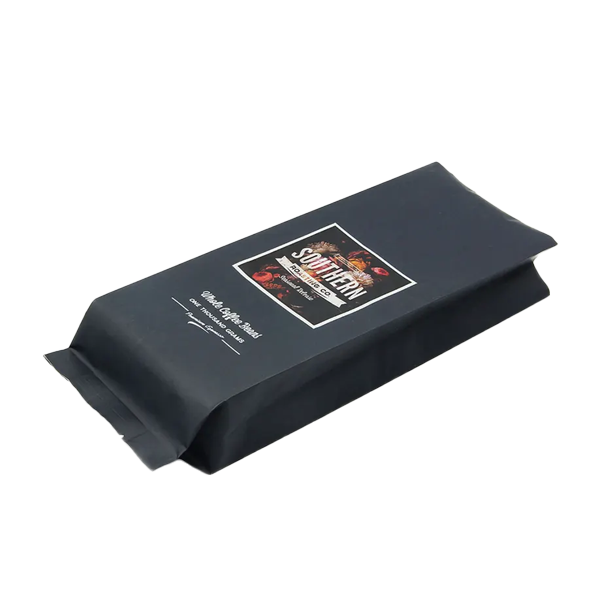
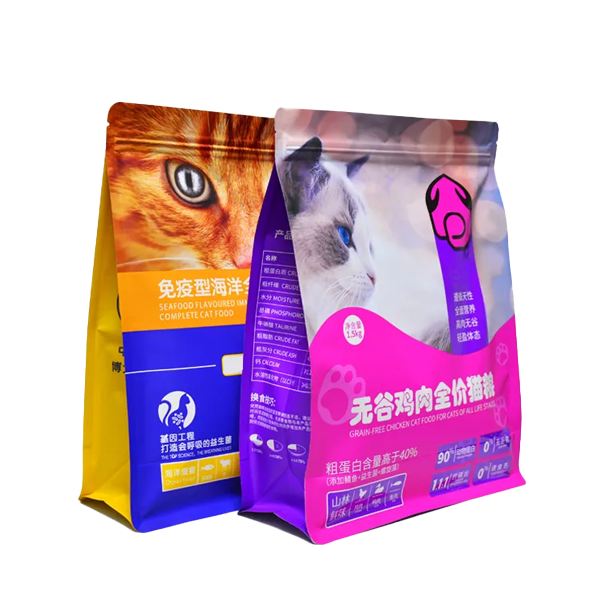
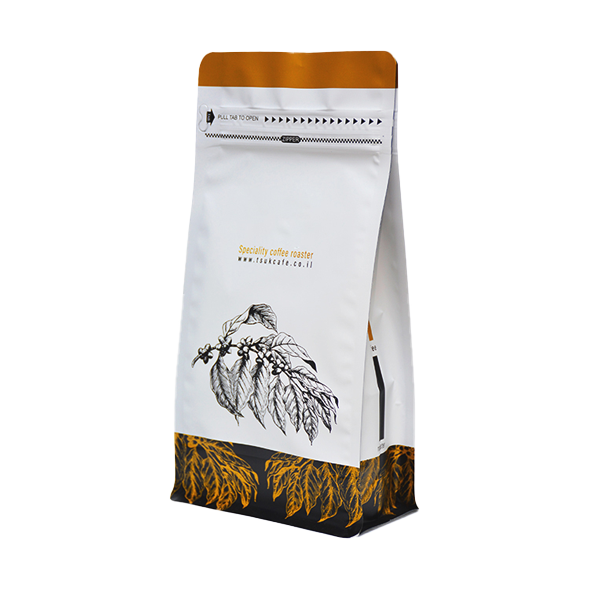
Flat bottom bags, also known as block bottom bags or box pouches, are a type of flexible packaging that stands upright when filled with products. These bags feature a square or rectangular bottom gusset, which provides stability and allows them to remain upright on store shelves. The unique shape of flat bottom bags sets them apart from conventional packaging options and offers numerous advantages.
Flat bottom bags boast several innovative features that make them an ideal choice for food packaging. These features include:
- Sturdy Construction: The reinforced bottom gusset of flat bottom bags ensures structural integrity, preventing the bags from toppling over or losing their shape.
- Barrier Properties: Flat bottom bags are designed with multiple layers of materials that act as a barrier against oxygen, moisture, and light, preserving the freshness and quality of the packaged food.
- Resealable Zipper: Many flat bottom bags incorporate a resealable zipper, allowing consumers to conveniently open and close the package multiple times while maintaining product freshness.
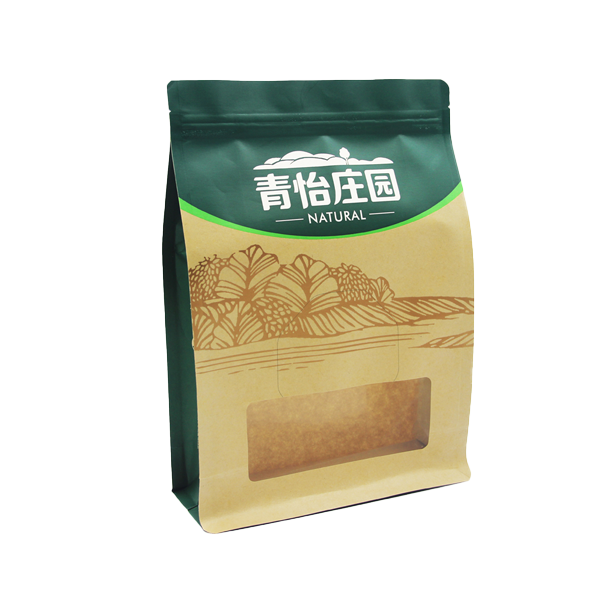
- Clear Window: Some flat bottom bags include a transparent window, providing a sneak peek of the product inside and enticing consumers with its visual appeal.
- Customizable Design: Flat bottom bags offer ample space for branding and product information, enabling manufacturers to create eye-catching packaging designs that resonate with their target audience.
The unique design and features of flat bottom bags offer several benefits for both food manufacturers and consumers:
- Shelf Appeal: The upright position of flat bottom bags enhances their visibility on store shelves, attracting consumer attention and increasing the chances of product purchase.
- Increased Shelf Life: The superior barrier properties of flat bottom bags help extend the shelf life of food products by protecting them from external elements that can cause spoilage.
- Improved Product Protection: The sturdy construction and secure closure of flat bottom bags ensure that the contents remain intact during transportation and handling, reducing the risk of damage or contamination.
- Convenience: The resealable zipper feature allows consumers to conveniently open and close the package, ensuring product freshness and reducing food waste.
- Space Optimization: The efficient use of space in flat bottom bags maximizes storage capacity, making them an economical choice for both manufacturers and retailers.
- Eco-Friendliness: Flat bottom bags are often made from recyclable materials, contributing to sustainability efforts and reducing environmental impact.
Flat bottom bags find applications in various food packaging scenarios, including:
- Coffee and Tea Packaging: The airtight properties of flat bottom bags make them ideal for storing coffee beans, ground coffee, and tea leaves, ensuring optimal flavor and freshness.
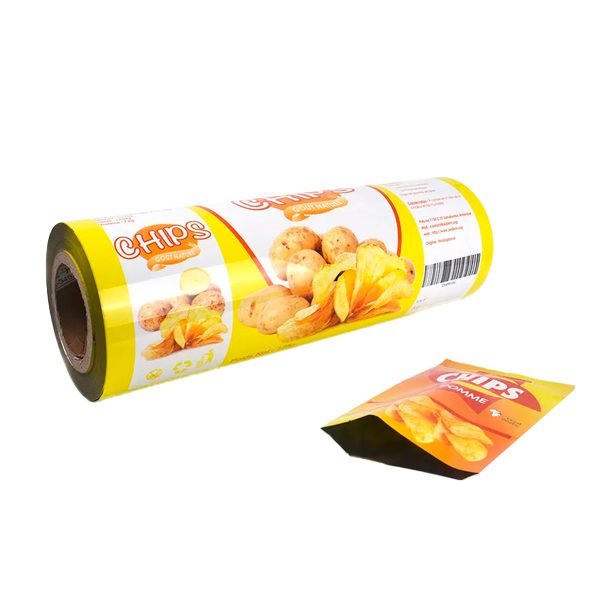
- Snack Packaging: Flat bottom bags are commonly used to package snacks like chips, cookies, and nuts, providing convenience, product protection, and shelf appeal.
- Pet Food Packaging: The durability and resealability of flat bottom bags make them a popular choice for packaging pet food, ensuring its longevity and freshness.
- Baking Ingredients: Flat bottom bags are also utilized for packaging baking ingredients such as flour, sugar, and spices, keeping them dry and free from contaminants.
Flat bottom bags have gained significant popularity among both food manufacturers and consumers. The unique shape, modern design, and convenient features of these bags make them visually appealing and user-friendly. In today's competitive market, packaging plays a crucial role in attracting consumers and differentiating products from competitors. Flat bottom bags have proven to be effective in capturing consumer attention, leading to increased sales and brand recognition.
One of the key advantages of flat bottom bags is their ability to maintain the freshness of packaged food. The multiple layers of barrier materials used in these bags prevent oxygen, moisture, and light from reaching the product, thereby extending its shelf life. Whether it's coffee, snacks, or baking ingredients, flat bottom bags help preserve the quality and taste of the contents, ensuring a delightful experience for consumers.
In an era where sustainability is a growing concern, flat bottom bags offer an eco-friendly packaging solution. These bags are often made from recyclable materials such as paper, making them a more sustainable alternative to traditional packaging options. By choosing flat bottom bags, food manufacturers can contribute to environmental conservation efforts and meet the increasing demand for sustainable packaging solutions.
Yes, flat bottom bags can be designed to accommodate liquid products. The use of specialized materials and sealing techniques ensures that the bags remain leak-proof, providing a reliable packaging solution for liquids.
Absolutely! Flat bottom bags offer ample space for branding and product information. Manufacturers can customize these bags with vibrant colors, logos, and other design elements to create visually appealing packaging that reflects their brand identity.
While the cost of flat bottom bags may vary depending on factors such as size, material, and customization, they can be a cost-effective choice in the long run. The efficient use of space, extended shelf life, and consumer appeal can offset the initial investment, resulting in a positive return on investment.
Yes, many flat bottom bags are designed to be reusable, thanks to their resealable zipper feature. Additionally, flat bottom bags made from recyclable materials can be recycled, contributing to waste reduction and environmental sustainability.
Certain flat bottom bags are specifically designed for microwave or freezer use. Manufacturers offer variations with special materials and features that ensure the bags can withstand extreme temperatures without compromising food safety or quality.
Flat bottom bags are revolutionizing the food packaging industry with their innovative design, versatile applications, and consumer appeal. From their sturdy construction to the barrier properties that preserve product freshness, these bags offer numerous benefits for both manufacturers and consumers. With their eco-friendly nature and ability to optimize space, flat bottom bags contribute to sustainability efforts while providing an enhanced packaging experience. As the future of food packaging continues to evolve, flat bottom bags are set to play a significant role in meeting the changing needs and preferences of the market.
1. Introduction: The Evolution of Food Packaging
2. What Are Flat Bottom Bags?
3. The Innovative Features of Flat Bottom Bags
4. Benefits of Flat Bottom Bags
5. Applications of Flat Bottom Bags
6. The Popularity and Consumer Appeal of Flat Bottom Bags
7. Enhancing Product Freshness with Flat Bottom Bags
8. Sustainability and Flat Bottom Bags
9. FAQs: Answering Common Questions about Flat Bottom Bags
10. Conclusion
1. Introduction: The Evolution of Food Packaging
Over the years, the food packaging industry has witnessed significant advancements to meet the evolving needs of consumers and manufacturers. From traditional packaging materials like cans and bottles to flexible packaging solutions, the industry has continuously strived to improve convenience, product freshness, and sustainability. In this era of innovation, flat bottom bags have emerged as a game-changer in food packaging.
2. What Are Flat Bottom Bags?
Flat bottom bags, also known as block bottom bags or box pouches, are a type of flexible packaging that stands upright when filled with products. These bags feature a square or rectangular bottom gusset, which provides stability and allows them to remain upright on store shelves. The unique shape of flat bottom bags sets them apart from conventional packaging options and offers numerous advantages.
3. The Innovative Features of Flat Bottom Bags
Flat bottom bags boast several innovative features that make them an ideal choice for food packaging. These features include:
- Sturdy Construction: The reinforced bottom gusset of flat bottom bags ensures structural integrity, preventing the bags from toppling over or losing their shape.
- Barrier Properties: Flat bottom bags are designed with multiple layers of materials that act as a barrier against oxygen, moisture, and light, preserving the freshness and quality of the packaged food.
- Resealable Zipper: Many flat bottom bags incorporate a resealable zipper, allowing consumers to conveniently open and close the package multiple times while maintaining product freshness.
- Clear Window: Some flat bottom bags include a transparent window, providing a sneak peek of the product inside and enticing consumers with its visual appeal.
- Customizable Design: Flat bottom bags offer ample space for branding and product information, enabling manufacturers to create eye-catching packaging designs that resonate with their target audience.
4. Benefits of Flat Bottom Bags
The unique design and features of flat bottom bags offer several benefits for both food manufacturers and consumers:
- Shelf Appeal: The upright position of flat bottom bags enhances their visibility on store shelves, attracting consumer attention and increasing the chances of product purchase.
- Increased Shelf Life: The superior barrier properties of flat bottom bags help extend the shelf life of food products by protecting them from external elements that can cause spoilage.
- Improved Product Protection: The sturdy construction and secure closure of flat bottom bags ensure that the contents remain intact during transportation and handling, reducing the risk of damage or contamination.
- Convenience: The resealable zipper feature allows consumers to conveniently open and close the package, ensuring product freshness and reducing food waste.
- Space Optimization: The efficient use of space in flat bottom bags maximizes storage capacity, making them an economical choice for both manufacturers and retailers.
- Eco-Friendliness: Flat bottom bags are often made from recyclable materials, contributing to sustainability efforts and reducing environmental impact.
5. Applications of Flat Bottom Bags
Flat bottom bags find applications in various food packaging scenarios, including:
- Coffee and Tea Packaging: The airtight properties of flat bottom bags make them ideal for storing coffee beans, ground coffee, and tea leaves, ensuring optimal flavor and freshness.
- Snack Packaging: Flat bottom bags are commonly used to package snacks like chips, cookies, and nuts, providing convenience, product protection, and shelf appeal.
- Pet Food Packaging: The durability and resealability of flat bottom bags make them a popular choice for packaging pet food, ensuring its longevity and freshness.
- Baking Ingredients: Flat bottom bags are also utilized for packaging baking ingredients such as flour, sugar, and spices, keeping them dry and free from contaminants.
6. The Popularity and Consumer Appeal of Flat Bottom Bags
Flat bottom bags have gained significant popularity among both food manufacturers and consumers. The unique shape, modern design, and convenient features of these bags make them visually appealing and user-friendly. In today's competitive market, packaging plays a crucial role in attracting consumers and differentiating products from competitors. Flat bottom bags have proven to be effective in capturing consumer attention, leading to increased sales and brand recognition.
7. Enhancing Product Freshness with Flat Bottom Bags
One of the key advantages of flat bottom bags is their ability to maintain the freshness of packaged food. The multiple layers of barrier materials used in these bags prevent oxygen, moisture, and light from reaching the product, thereby extending its shelf life. Whether it's coffee, snacks, or baking ingredients, flat bottom bags help preserve the quality and taste of the contents, ensuring a delightful experience for consumers.
8. Sustainability and Flat Bottom Bags
In an era where sustainability is a growing concern, flat bottom bags offer an eco-friendly packaging solution. These bags are often made from recyclable materials such as paper, making them a more sustainable alternative to traditional packaging options. By choosing flat bottom bags, food manufacturers can contribute to environmental conservation efforts and meet the increasing demand for sustainable packaging solutions.
9. FAQs: Answering Common Questions about Flat Bottom Bags
Q1: Are flat bottom bags suitable for liquid products?
Yes, flat bottom bags can be designed to accommodate liquid products. The use of specialized materials and sealing techniques ensures that the bags remain leak-proof, providing a reliable packaging solution for liquids.
Q2: Can flat bottom bags be customized with printing and branding?
Absolutely! Flat bottom bags offer ample space for branding and product information. Manufacturers can customize these bags with vibrant colors, logos, and other design elements to create visually appealing packaging that reflects their brand identity.
Q3: Are flat bottom bags more expensive than traditional packaging options?
While the cost of flat bottom bags may vary depending on factors such as size, material, and customization, they can be a cost-effective choice in the long run. The efficient use of space, extended shelf life, and consumer appeal can offset the initial investment, resulting in a positive return on investment.
Q4: Can flat bottom bags be reused or recycled?
Yes, many flat bottom bags are designed to be reusable, thanks to their resealable zipper feature. Additionally, flat bottom bags made from recyclable materials can be recycled, contributing to waste reduction and environmental sustainability.
Q5: Are flat bottom bags suitable for microwave or freezer use?
Certain flat bottom bags are specifically designed for microwave or freezer use. Manufacturers offer variations with special materials and features that ensure the bags can withstand extreme temperatures without compromising food safety or quality.
10. Conclusion
Flat bottom bags are revolutionizing the food packaging industry with their innovative design, versatile applications, and consumer appeal. From their sturdy construction to the barrier properties that preserve product freshness, these bags offer numerous benefits for both manufacturers and consumers. With their eco-friendly nature and ability to optimize space, flat bottom bags contribute to sustainability efforts while providing an enhanced packaging experience. As the future of food packaging continues to evolve, flat bottom bags are set to play a significant role in meeting the changing needs and preferences of the market.
Keywords:Food Flat Bottom Bag manufacturer
Related News

One stop packaging customization service

You can email us
Coco Ma, Email: coco@zhongbao-group.com
Carrie Chan, Email: sales7@zhongbao-group.com
Office
Add: Room 1501, Building D, Suijin Center, No. 57, Jinshi 4th Road, Dayuan Street, Baiyun District, Guangzhou, Guangdong Province, China
Factory
Add: 2F, Building B, Ye Yi 'an Plant, Pingtang Industrial Park, Guanyao Dalan, Shishan Town, Nanhai District, Foshan City, China