news
The Role of Food Packaging in Ensuring Safety: The Key to Preserving Freshness and Preventing Contamination
Release Time:2023-12-27
Table of Contents
1. The Significance of Food Packaging in Ensuring Safety
2. Types of Food Packaging Materials and Their Benefits
3. Innovative Packaging Techniques for Optimal Safety
4. Maintaining Product Freshness and Quality through Packaging
5. Preventing Contamination: Packaging as a Barrier
6. Consumer-Friendly Packaging: Convenience and Safety Combined
7. The Role of Regulation in Food Packaging Safety
8. Frequently Asked Questions (FAQs)
9. Conclusion
Food packaging goes beyond just providing a means for storing and transporting our favorite products. Its primary purpose is to ensure the safety and integrity of the food we consume. By employing appropriate packaging techniques, the food industry can safeguard consumers from potential health risks associated with contamination, spoilage, and deterioration.
Proper packaging plays a crucial role in maintaining the quality and safety of food. It acts as a barrier, protecting the product from external factors such as microbes, oxygen, light, and moisture, which can compromise its freshness and contribute to the growth of harmful bacteria. Furthermore, packaging also prevents physical damage during handling and transportation, reducing the risk of contamination.
The significance of food packaging extends beyond physical protection. Adequate packaging techniques can help preserve the nutritional value of food by preventing nutrient loss through exposure to light, heat, and air. As a result, consumers can rely on packaged foods to provide the necessary nutrients for a balanced diet.
The choice of packaging materials is critical in ensuring the safety and quality of food products. Various materials, such as plastics, glass, metals, and paper, offer distinct advantages depending on the specific requirements of the packaged food.
Plastic packaging is widely used in the food industry due to its versatility, cost-effectiveness, and durability. It provides an effective barrier against moisture and oxygen, ensuring the freshness of perishable goods. Furthermore, plastic packaging offers convenience to consumers with features like resealable closures and easy-to-open designs.
Glass packaging is favored for its non-reactive properties, which make it ideal for preserving the taste and quality of food. It is impermeable to gases and moisture, preventing contamination and spoilage. Glass also offers a transparent view of the product, allowing consumers to visually inspect its quality.
Metal packaging, such as cans and foil, provides excellent protection against external elements. It is resistant to light, air, moisture, and pests, ensuring the product remains safe and uncontaminated. Metal packaging is commonly used for canned goods, beverages, and processed foods.
Paper packaging, including cardboard and paperboard, is widely used for dry goods and non-perishable items. It offers a sustainable and eco-friendly option, with advancements in technology allowing for enhanced moisture resistance and prolonged shelf life. Paper packaging is commonly recyclable and biodegradable, reducing environmental impact.
The food industry continually explores innovative packaging techniques to enhance safety and prolong the shelf life of products. These advancements not only benefit consumers but also minimize food waste and promote sustainability.
Modified Atmosphere Packaging (MAP) involves altering the composition of gases inside a package to extend product freshness. By reducing oxygen levels and increasing carbon dioxide or nitrogen levels, MAP inhibits the growth of spoilage-causing bacteria and maintains product quality.
Active packaging incorporates functional materials that interact with the packaged food to enhance safety and quality. This can include antimicrobial agents, oxygen scavengers, and moisture absorbers. These active components actively work to prevent spoilage and extend shelf life.
Intelligent packaging utilizes sensors and indicators to monitor and communicate information about the product's condition. Temperature indicators, time-temperature labels, and freshness indicators provide consumers with real-time information, assuring them of the safety and quality of the food they purchase.
Food packaging plays a pivotal role in maintaining the freshness and quality of products throughout their shelf life. Proper packaging techniques and materials help preserve taste, texture, color, and nutritional value, providing consumers with a positive experience.
Packaging with insulating properties can regulate temperature and prevent heat transfer. This is especially crucial for perishable goods that require specific temperature conditions to maintain their quality. By minimizing temperature fluctuations, food packaging contributes to the preservation of freshness and taste.
Light can cause the degradation of certain nutrients and lead to the development of off-flavors or odors. Packaging materials with light-blocking properties, such as opaque containers or UV-resistant films, shield the product from harmful light exposure, ensuring its quality remains intact.
Excessive moisture can promote the growth of mold, yeast, and bacteria, leading to spoilage and health risks. Proper packaging materials with moisture barriers help maintain optimal moisture levels, preventing product deterioration and ensuring consumer safety.
One of the primary functions of food packaging is to act as a barrier against potential sources of contamination. Through appropriate packaging techniques, the industry can minimize the risk of contamination and protect consumers from harmful microorganisms.
Packaging materials with sturdy integrity and tamper-evident features prevent physical contamination caused by foreign objects. Robust packaging ensures that the product reaches the consumer in its intended state without any compromise to safety.
Certain packaging materials may release harmful chemicals that can contaminate food. The food industry meticulously selects packaging materials that comply with strict regulations and standards, ensuring that no harmful substances migrate into the product.
Microbes can multiply rapidly in food if not properly controlled. Packaging materials with antimicrobial properties or modified atmosphere techniques help inhibit the growth of harmful bacteria, yeasts, and molds, safeguarding the product and ensuring consumer safety.
In addition to safety considerations, consumer-friendly packaging addresses convenience and ease of use. Packaging designs that offer practical features and clear information enhance the overall user experience, promoting consumer satisfaction and trust.
Packaging that allows for easy opening and resealing provides convenience and preserves product freshness. Consumers can access the desired portion without compromising the integrity of the remaining contents, minimizing food waste.
Accurate and comprehensive labeling ensures that consumers have access to vital information, including ingredients, nutritional value, allergen warnings, and storage instructions. Clear labeling helps consumers make well-informed choices and promotes transparency in the food industry.
Packaging that offers portion control or single-serving options caters to consumers' needs for convenience and portion management. This trend promotes healthier eating habits while reducing food waste.
To maintain consumer trust and safety, regulatory bodies establish stringent guidelines and standards for food packaging. These regulations address various aspects, including materials, labeling, hygiene practices, and manufacturing processes. Compliance with these regulations is essential for food companies to ensure the safety and integrity of their products.
Food packaging aims to preserve product freshness, prevent contamination, maintain nutritional value, and provide consumer-friendly features.
Packaging acts as a barrier against external factors such as oxygen, moisture, light, and microbes, which contribute to food spoilage. It helps maintain an optimal environment for the product and extends its shelf life.
Plastic, glass, metal, and paper are among the most commonly used packaging materials in the food industry. Each material offers distinct benefits depending on the specific requirements of the packaged food.
Packaging prevents physical, chemical, and microbial contamination. It also helps regulate temperature, protect against light exposure, manage moisture levels, and provide clear labeling to inform consumers about potential allergens and storage instructions.
Consumer-friendly packaging enhances the user experience by offering convenience features, practicality, and clear information. It promotes consumer satisfaction, fosters trust, and encourages repeat purchases.
Food packaging plays a pivotal role in ensuring the safety and quality of the products we consume. Through proper packaging techniques, materials, and innovative advancements, the food industry can maintain product freshness, prevent contamination, and protect consumers from potential health risks. From preserving nutritional value to preventing physical, chemical, and microbial contamination, packaging serves as a vital component in safeguarding our health and wellbeing. Compliance with regulatory standards and a focus on consumer-friendly features further elevate the importance of food packaging in delivering safe and satisfying food experiences.
1. The Significance of Food Packaging in Ensuring Safety
2. Types of Food Packaging Materials and Their Benefits
3. Innovative Packaging Techniques for Optimal Safety
4. Maintaining Product Freshness and Quality through Packaging
5. Preventing Contamination: Packaging as a Barrier
6. Consumer-Friendly Packaging: Convenience and Safety Combined
7. The Role of Regulation in Food Packaging Safety
8. Frequently Asked Questions (FAQs)
9. Conclusion
1. The Significance of Food Packaging in Ensuring Safety
Food packaging goes beyond just providing a means for storing and transporting our favorite products. Its primary purpose is to ensure the safety and integrity of the food we consume. By employing appropriate packaging techniques, the food industry can safeguard consumers from potential health risks associated with contamination, spoilage, and deterioration.
1.1 The Importance of Proper Packaging
Proper packaging plays a crucial role in maintaining the quality and safety of food. It acts as a barrier, protecting the product from external factors such as microbes, oxygen, light, and moisture, which can compromise its freshness and contribute to the growth of harmful bacteria. Furthermore, packaging also prevents physical damage during handling and transportation, reducing the risk of contamination.
1.2 Preserving Nutritional Value
The significance of food packaging extends beyond physical protection. Adequate packaging techniques can help preserve the nutritional value of food by preventing nutrient loss through exposure to light, heat, and air. As a result, consumers can rely on packaged foods to provide the necessary nutrients for a balanced diet.
2. Types of Food Packaging Materials and Their Benefits
The choice of packaging materials is critical in ensuring the safety and quality of food products. Various materials, such as plastics, glass, metals, and paper, offer distinct advantages depending on the specific requirements of the packaged food.
2.1 Plastic Packaging
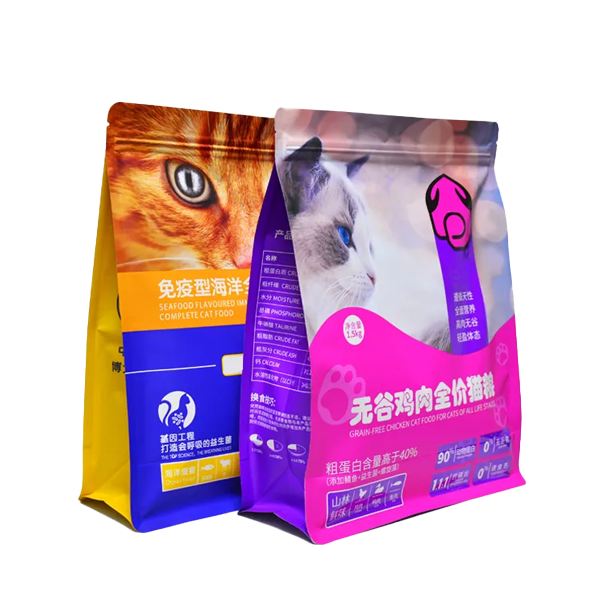
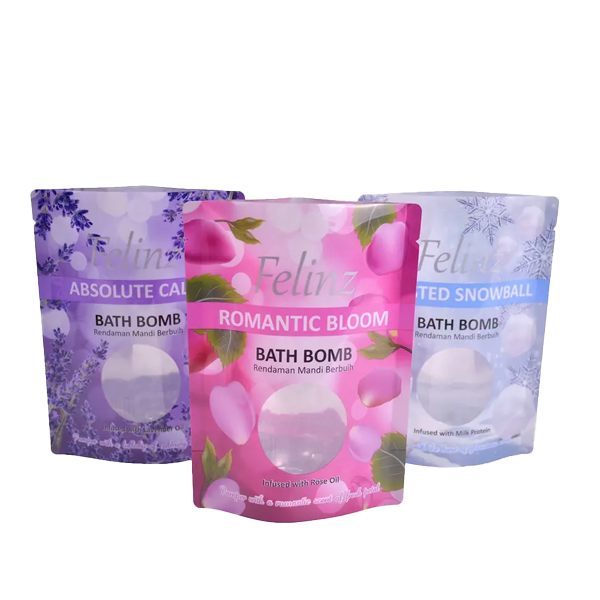
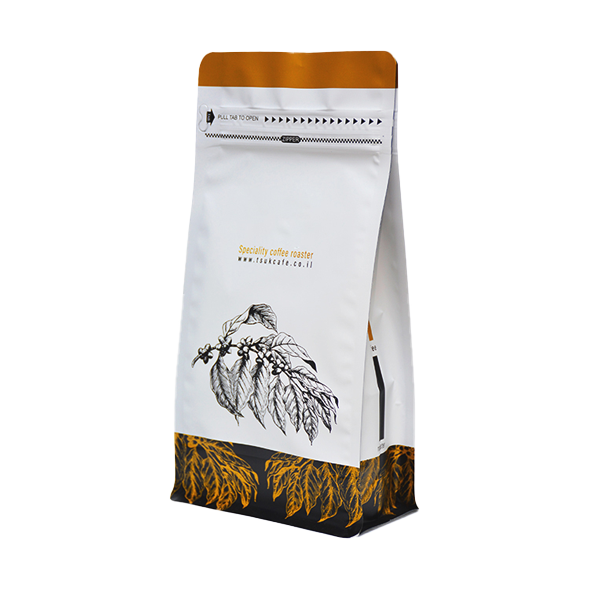
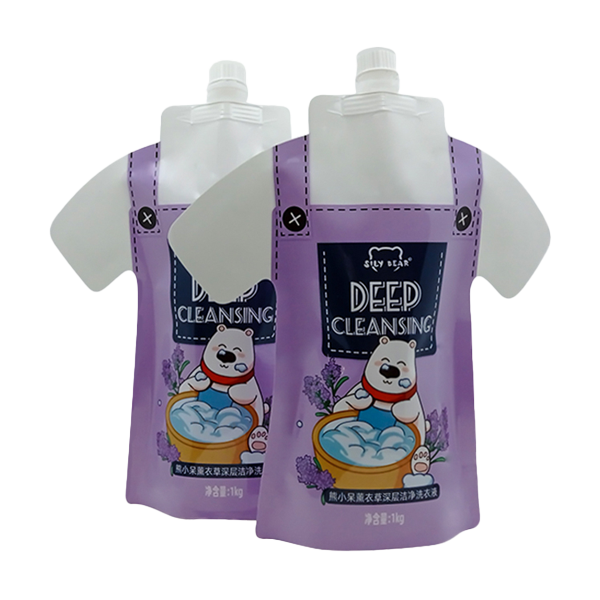
Plastic packaging is widely used in the food industry due to its versatility, cost-effectiveness, and durability. It provides an effective barrier against moisture and oxygen, ensuring the freshness of perishable goods. Furthermore, plastic packaging offers convenience to consumers with features like resealable closures and easy-to-open designs.
2.2 Glass Packaging
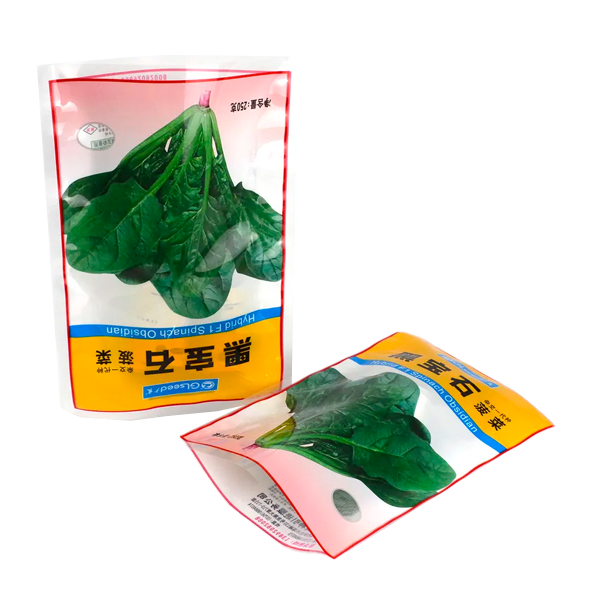
Glass packaging is favored for its non-reactive properties, which make it ideal for preserving the taste and quality of food. It is impermeable to gases and moisture, preventing contamination and spoilage. Glass also offers a transparent view of the product, allowing consumers to visually inspect its quality.
2.3 Metal Packaging
Metal packaging, such as cans and foil, provides excellent protection against external elements. It is resistant to light, air, moisture, and pests, ensuring the product remains safe and uncontaminated. Metal packaging is commonly used for canned goods, beverages, and processed foods.
2.4 Paper Packaging
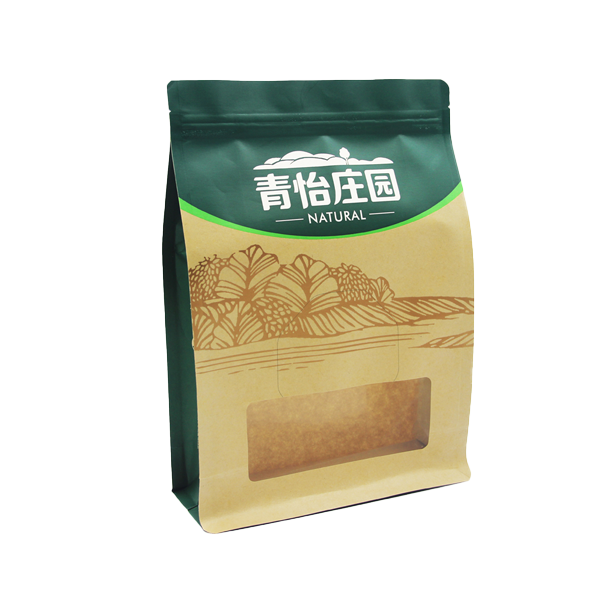
Paper packaging, including cardboard and paperboard, is widely used for dry goods and non-perishable items. It offers a sustainable and eco-friendly option, with advancements in technology allowing for enhanced moisture resistance and prolonged shelf life. Paper packaging is commonly recyclable and biodegradable, reducing environmental impact.
3. Innovative Packaging Techniques for Optimal Safety
The food industry continually explores innovative packaging techniques to enhance safety and prolong the shelf life of products. These advancements not only benefit consumers but also minimize food waste and promote sustainability.
3.1 Modified Atmosphere Packaging
Modified Atmosphere Packaging (MAP) involves altering the composition of gases inside a package to extend product freshness. By reducing oxygen levels and increasing carbon dioxide or nitrogen levels, MAP inhibits the growth of spoilage-causing bacteria and maintains product quality.
3.2 Active Packaging
Active packaging incorporates functional materials that interact with the packaged food to enhance safety and quality. This can include antimicrobial agents, oxygen scavengers, and moisture absorbers. These active components actively work to prevent spoilage and extend shelf life.
3.3 Intelligent Packaging
Intelligent packaging utilizes sensors and indicators to monitor and communicate information about the product's condition. Temperature indicators, time-temperature labels, and freshness indicators provide consumers with real-time information, assuring them of the safety and quality of the food they purchase.
4. Maintaining Product Freshness and Quality through Packaging
Food packaging plays a pivotal role in maintaining the freshness and quality of products throughout their shelf life. Proper packaging techniques and materials help preserve taste, texture, color, and nutritional value, providing consumers with a positive experience.
4.1 Temperature Control
Packaging with insulating properties can regulate temperature and prevent heat transfer. This is especially crucial for perishable goods that require specific temperature conditions to maintain their quality. By minimizing temperature fluctuations, food packaging contributes to the preservation of freshness and taste.
4.2 Light Protection
Light can cause the degradation of certain nutrients and lead to the development of off-flavors or odors. Packaging materials with light-blocking properties, such as opaque containers or UV-resistant films, shield the product from harmful light exposure, ensuring its quality remains intact.
4.3 Moisture Management
Excessive moisture can promote the growth of mold, yeast, and bacteria, leading to spoilage and health risks. Proper packaging materials with moisture barriers help maintain optimal moisture levels, preventing product deterioration and ensuring consumer safety.
5. Preventing Contamination: Packaging as a Barrier
One of the primary functions of food packaging is to act as a barrier against potential sources of contamination. Through appropriate packaging techniques, the industry can minimize the risk of contamination and protect consumers from harmful microorganisms.
5.1 Physical Contamination
Packaging materials with sturdy integrity and tamper-evident features prevent physical contamination caused by foreign objects. Robust packaging ensures that the product reaches the consumer in its intended state without any compromise to safety.
5.2 Chemical Contamination
Certain packaging materials may release harmful chemicals that can contaminate food. The food industry meticulously selects packaging materials that comply with strict regulations and standards, ensuring that no harmful substances migrate into the product.
5.3 Microbial Contamination
Microbes can multiply rapidly in food if not properly controlled. Packaging materials with antimicrobial properties or modified atmosphere techniques help inhibit the growth of harmful bacteria, yeasts, and molds, safeguarding the product and ensuring consumer safety.
6. Consumer-Friendly Packaging: Convenience and Safety Combined
In addition to safety considerations, consumer-friendly packaging addresses convenience and ease of use. Packaging designs that offer practical features and clear information enhance the overall user experience, promoting consumer satisfaction and trust.
6.1 Easy Opening and Resealable Packaging
Packaging that allows for easy opening and resealing provides convenience and preserves product freshness. Consumers can access the desired portion without compromising the integrity of the remaining contents, minimizing food waste.
6.2 Clear and Informative Labeling
Accurate and comprehensive labeling ensures that consumers have access to vital information, including ingredients, nutritional value, allergen warnings, and storage instructions. Clear labeling helps consumers make well-informed choices and promotes transparency in the food industry.
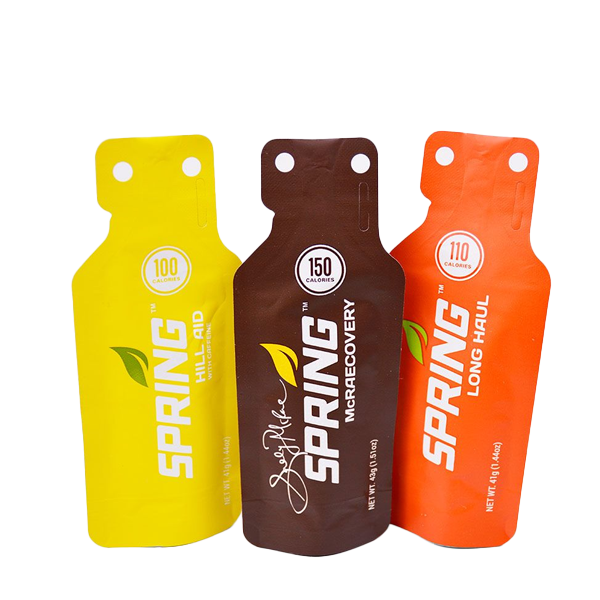
6.3 Portion Control and Single-Serving Packaging
Packaging that offers portion control or single-serving options caters to consumers' needs for convenience and portion management. This trend promotes healthier eating habits while reducing food waste.
7. The Role of Regulation in Food Packaging Safety
To maintain consumer trust and safety, regulatory bodies establish stringent guidelines and standards for food packaging. These regulations address various aspects, including materials, labeling, hygiene practices, and manufacturing processes. Compliance with these regulations is essential for food companies to ensure the safety and integrity of their products.
8. Frequently Asked Questions (FAQs)
8.1 What are the main goals of food packaging?
Food packaging aims to preserve product freshness, prevent contamination, maintain nutritional value, and provide consumer-friendly features.
8.2 How does packaging prevent food spoilage?
Packaging acts as a barrier against external factors such as oxygen, moisture, light, and microbes, which contribute to food spoilage. It helps maintain an optimal environment for the product and extends its shelf life.
8.3 What are the most common packaging materials used in the food industry?
Plastic, glass, metal, and paper are among the most commonly used packaging materials in the food industry. Each material offers distinct benefits depending on the specific requirements of the packaged food.
8.4 How does packaging contribute to food safety?
Packaging prevents physical, chemical, and microbial contamination. It also helps regulate temperature, protect against light exposure, manage moisture levels, and provide clear labeling to inform consumers about potential allergens and storage instructions.
8.5 Why is it important for food packaging to be consumer-friendly?
Consumer-friendly packaging enhances the user experience by offering convenience features, practicality, and clear information. It promotes consumer satisfaction, fosters trust, and encourages repeat purchases.
9. Conclusion
Food packaging plays a pivotal role in ensuring the safety and quality of the products we consume. Through proper packaging techniques, materials, and innovative advancements, the food industry can maintain product freshness, prevent contamination, and protect consumers from potential health risks. From preserving nutritional value to preventing physical, chemical, and microbial contamination, packaging serves as a vital component in safeguarding our health and wellbeing. Compliance with regulatory standards and a focus on consumer-friendly features further elevate the importance of food packaging in delivering safe and satisfying food experiences.
Keywords:Food Packaging Bag company
Related News

One stop packaging customization service

You can email us
Coco Ma, Email: coco@zhongbao-group.com
Carrie Chan, Email: sales7@zhongbao-group.com
Head office Address
Room 702, Block A, Jiafeng Building, Jiahe Street, Baiyun District,Guangzhou City, Guangdong Province, China, 510440