news
The Science Behind Plastic Packaging Roll Films and Its Role in the Packaging and Printing Industry
Release Time:2023-12-17
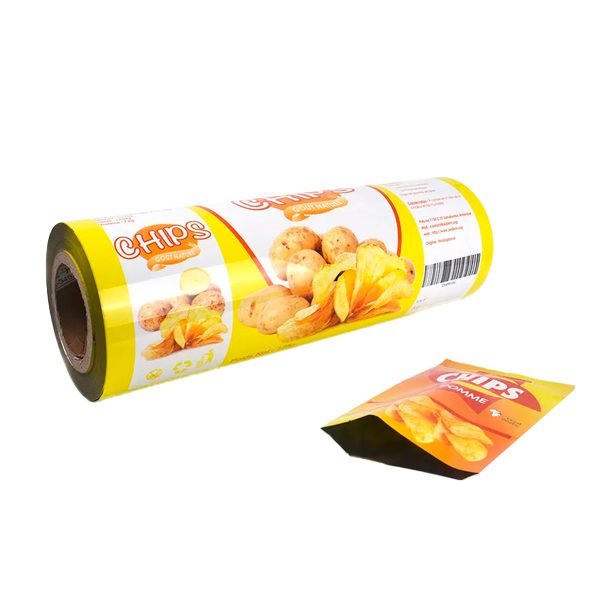
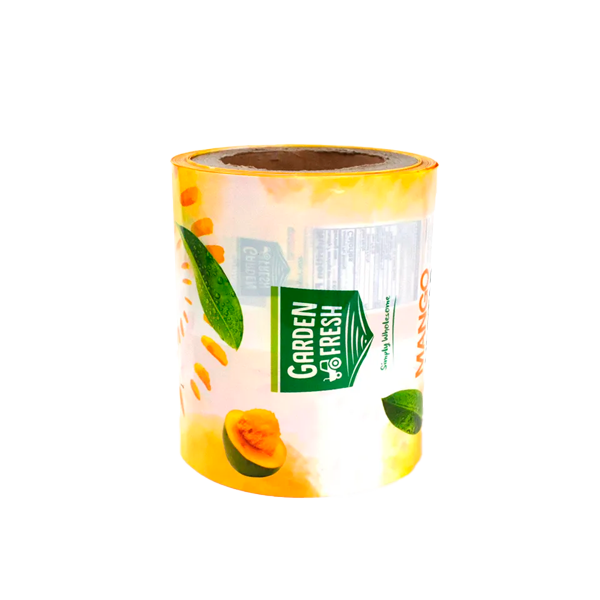
Plastic packaging roll films play a crucial role in the packaging and printing industry, providing a versatile and efficient solution for various packaging needs. These films are widely used across different sectors, including food and beverage, pharmaceuticals, electronics, and more. In this article, we will delve into the science behind plastic packaging roll films and explore their significance in the industry.
The primary purpose of plastic packaging roll films is to protect and preserve products during storage and transportation. These films are made from different types of plastics, including polyethylene, polypropylene, and polyvinyl chloride. Each type of plastic offers distinct properties and benefits, making it suitable for specific applications.
One of the key advantages of plastic packaging roll films is their ability to provide a barrier against moisture, air, and other environmental factors. This barrier helps to extend the shelf life of products, maintain their quality, and prevent spoilage. Additionally, these films can be tailored to provide specific barrier properties, such as oxygen resistance or UV protection, depending on the requirements of the packaged product.
Furthermore, plastic packaging roll films offer excellent flexibility, enabling them to conform to the shape of different products. This flexibility allows for efficient packaging, reducing material waste and optimizing space utilization. The films can be easily sealed, either through heat sealing or adhesive bonding, ensuring the integrity of the package.
In terms of sustainability, plastic packaging roll films have made significant advancements. Many manufacturers now focus on producing films that are recyclable or made from recycled materials. Furthermore, advancements in technology have led to the development of biodegradable films, offering an eco-friendly alternative for packaging needs.
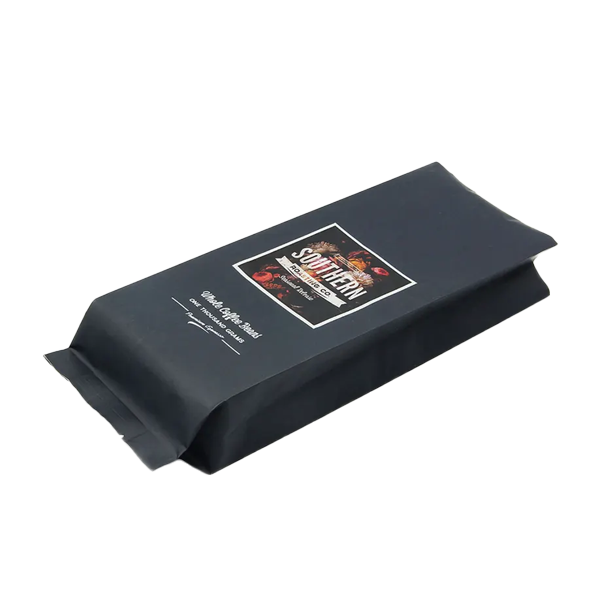
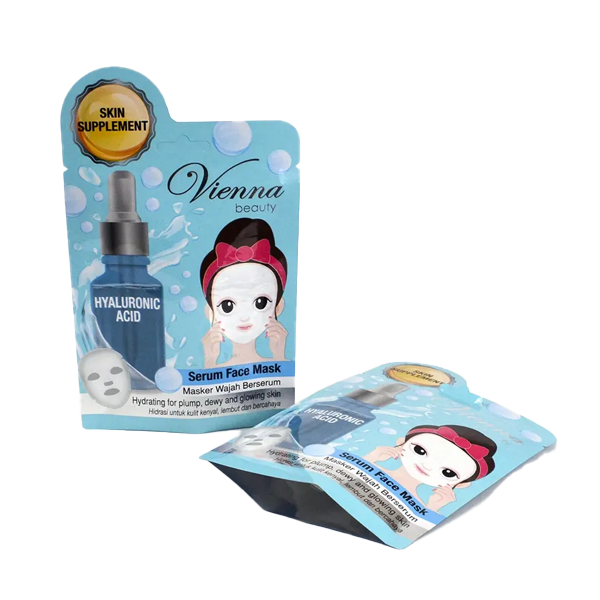
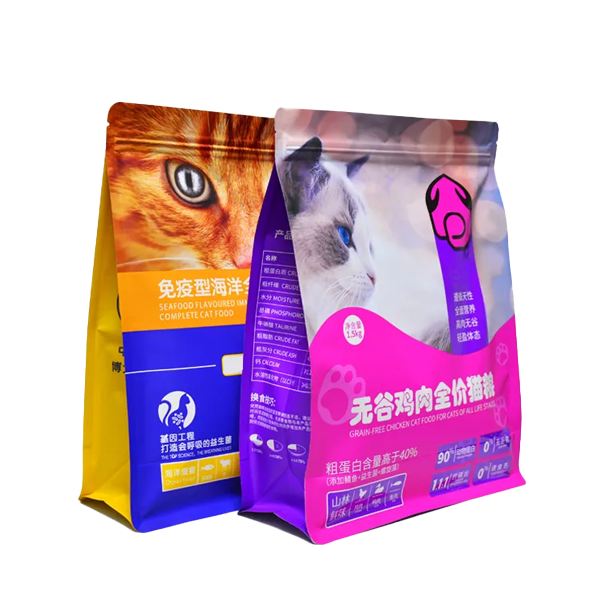
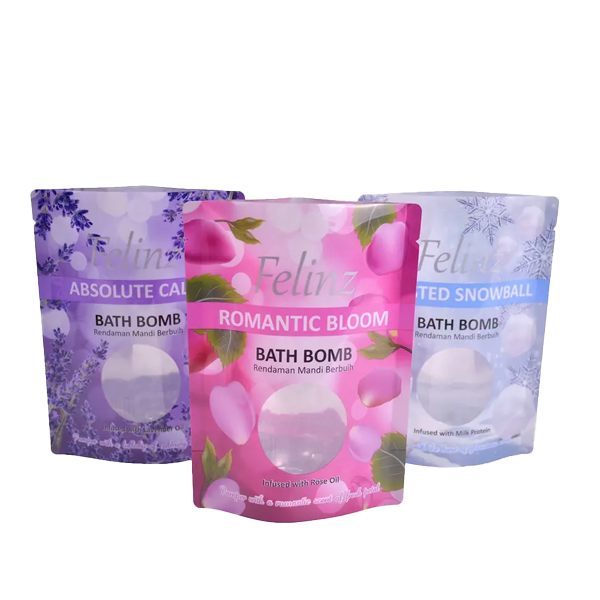
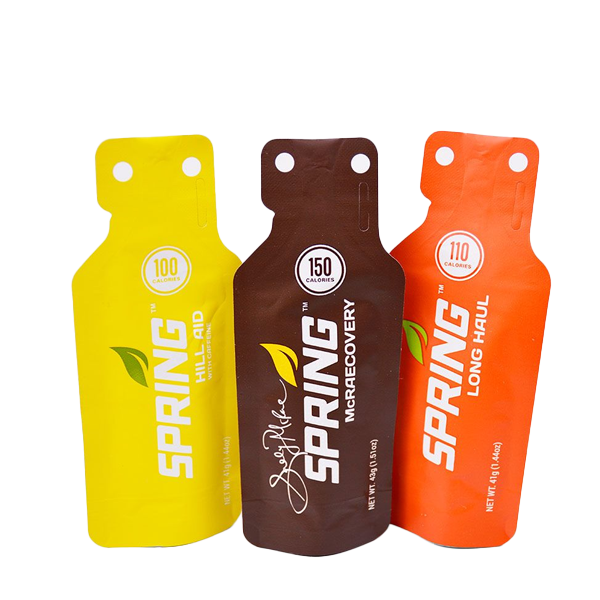
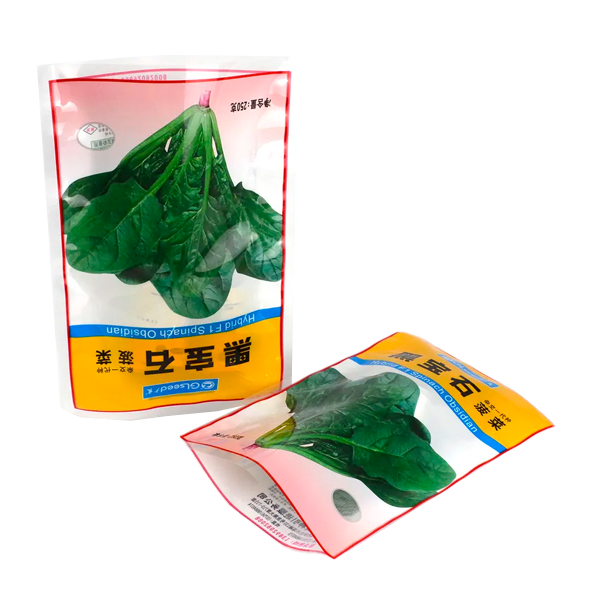
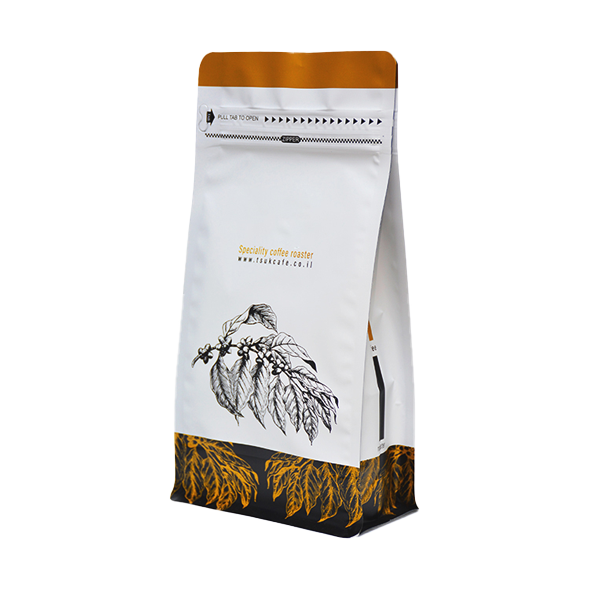
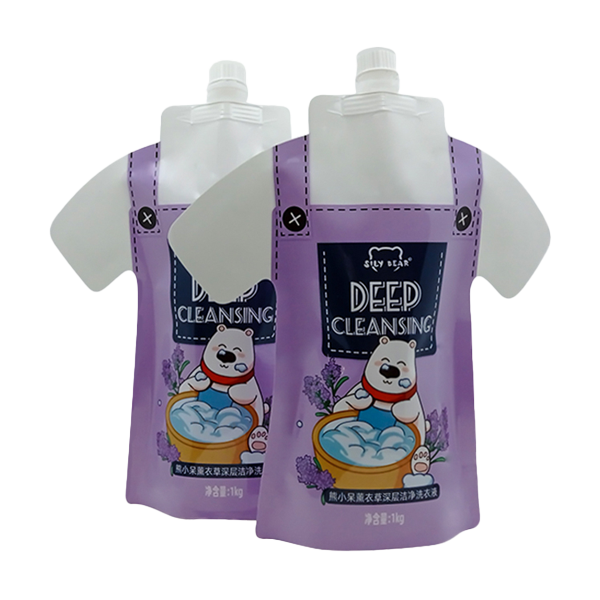
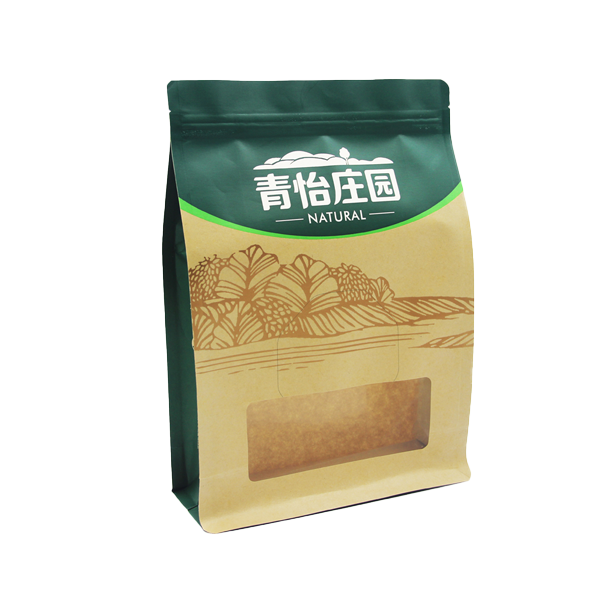
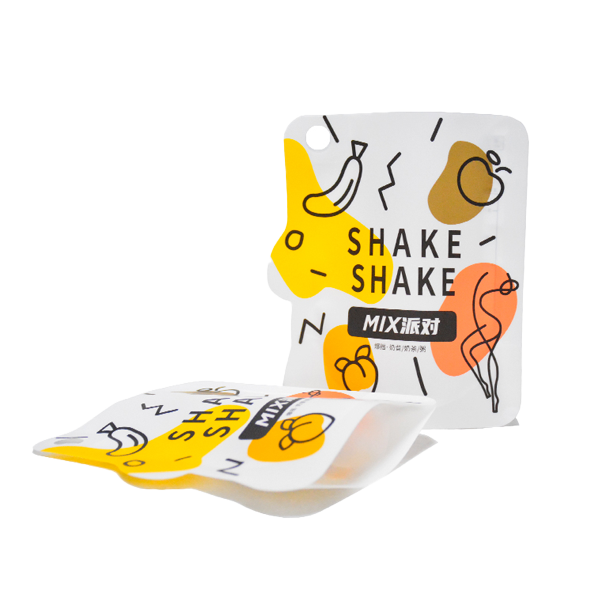
The packaging and printing industry heavily relies on plastic packaging roll films due to their cost-effectiveness and versatility. These films can be customized to meet specific size and design requirements, allowing for creative and eye-catching packaging solutions. Moreover, the films can be printed with high-quality graphics and product information, enhancing brand visibility and consumer appeal.
To ensure the safe and efficient use of plastic packaging roll films, it's essential for businesses to consider factors such as film thickness, material compatibility, and regulatory compliance. Working closely with packaging experts and suppliers can help in selecting the most suitable film for specific products and applications.
In conclusion, plastic packaging roll films are an integral part of the packaging and printing industry. Their ability to protect, preserve, and enhance product presentation makes them indispensable for businesses across various sectors. As the industry continues to evolve, the development of sustainable and innovative plastic packaging roll films will further contribute to the advancement of packaging solutions.
Keywords:plastic packing roll film
Related News

One stop packaging customization service

You can email us
Coco Ma, Email: coco@zhongbao-group.com
Carrie Chan, Email: sales7@zhongbao-group.com
Office
Add: Room 1501, Building D, Suijin Center, No. 57, Jinshi 4th Road, Dayuan Street, Baiyun District, Guangzhou, Guangdong Province, China
Factory
Add: 2F, Building B, Ye Yi 'an Plant, Pingtang Industrial Park, Guanyao Dalan, Shishan Town, Nanhai District, Foshan City, China