news
The Essential Guide to Pet Food Packaging Bags: Everything You Need to Know
Release Time:2023-12-09
Introduction:
In the service, packaging, and printing industry, pet food packaging bags play a crucial role in ensuring the quality and safety of pet products. Choosing the right packaging for pet food is essential to attract customers and maintain the freshness of the product. This comprehensive guide will provide you with all the necessary information you need to know about pet food packaging bags, from materials to design considerations.
1. Types of Pet Food Packaging Bags:
There are various types of pet food packaging bags available in the market. Common options include:
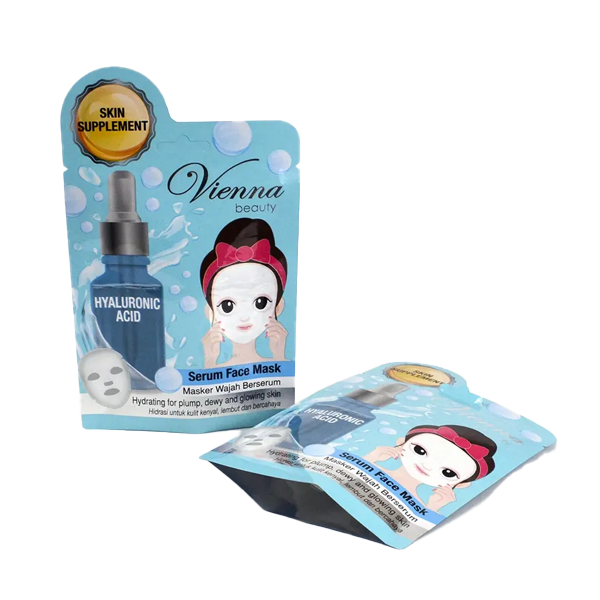
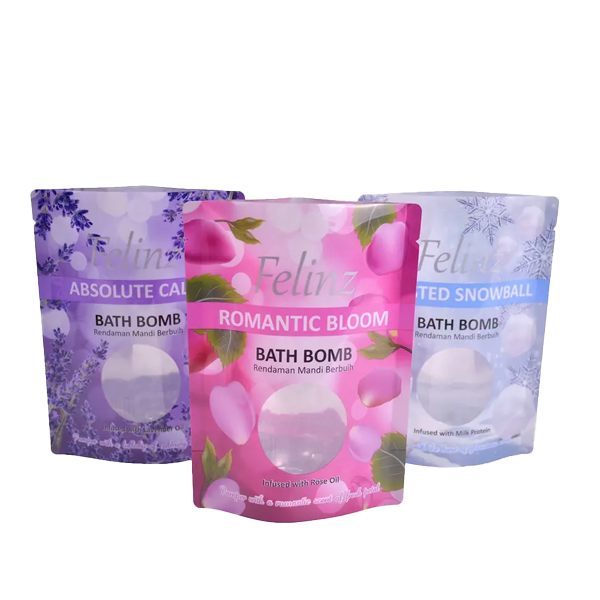
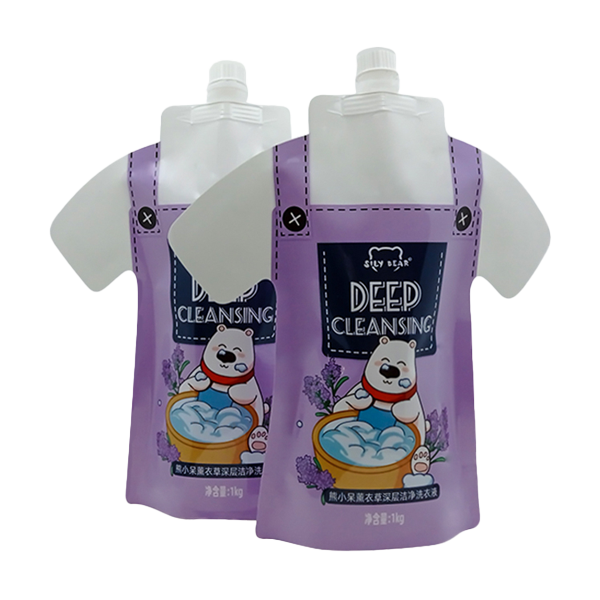
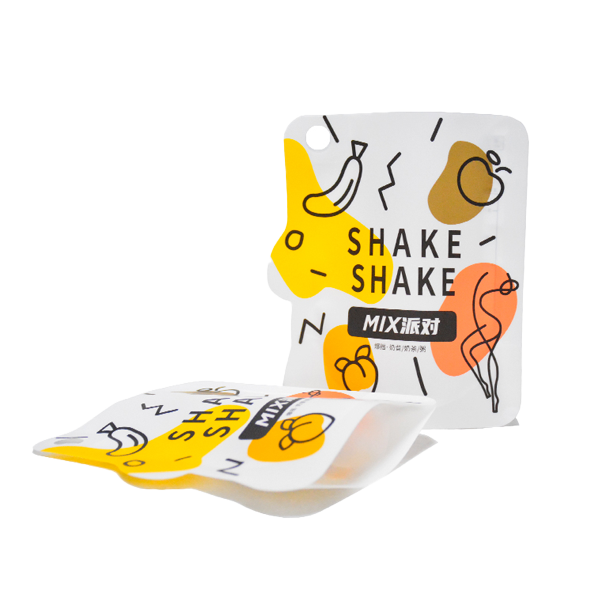
- Stand-up pouches: These bags have a bottom gusset, allowing them to stand upright on shelves. They are convenient, space-saving, and provide excellent protection against moisture and air.
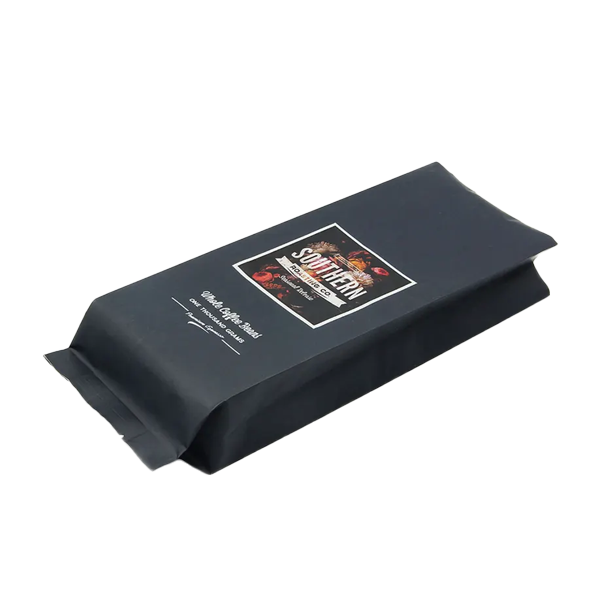
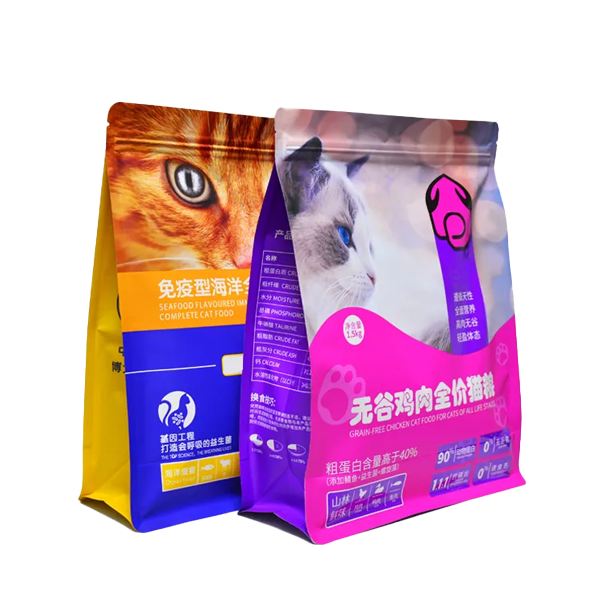
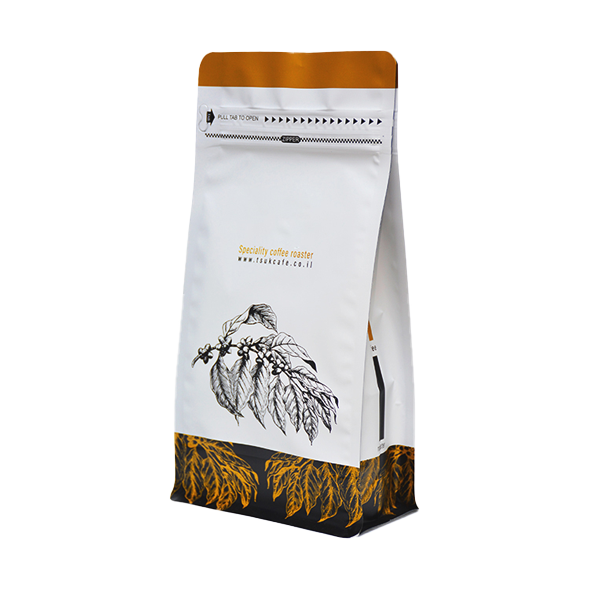
- Flat bottom bags: These bags have a flat bottom, providing stability and maximizing shelf space. They are ideal for larger pet food products and offer excellent barrier properties.
- Quad seal bags: These bags have four side seals, offering increased strength and durability. They are suitable for heavier pet food products and provide a premium look on the shelves.
2. Materials Used in Pet Food Packaging Bags:
Pet food packaging bags are typically made from a combination of materials to ensure product freshness and safety. Common materials include:
- Plastic films: High-barrier plastic films such as polyester, nylon, and polyethylene are often used to protect pet food from moisture, oxygen, and sunlight.
- Aluminum foil: Foil laminates provide an excellent barrier against oxygen, moisture, and light. They help to extend the shelf life of pet food products.
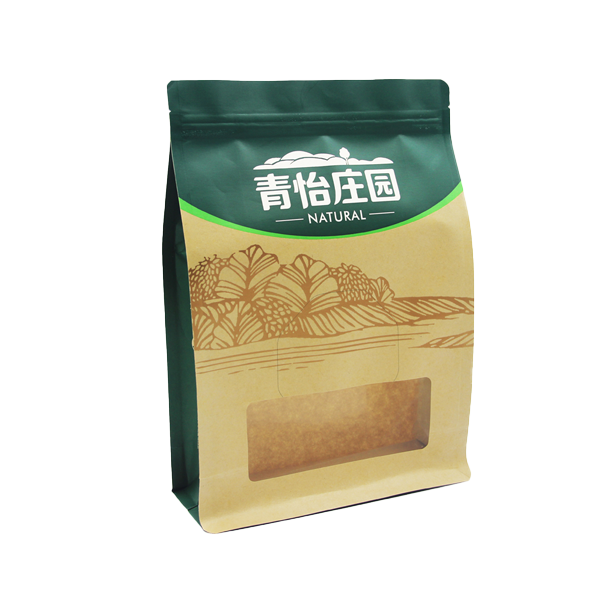
- Paper: Paper-based materials, such as kraft paper, offer a more sustainable option for pet food packaging. They are often used in combination with plastic films or aluminum foil for enhanced protection.
3. Design Considerations:
When designing pet food packaging bags, several factors should be considered:
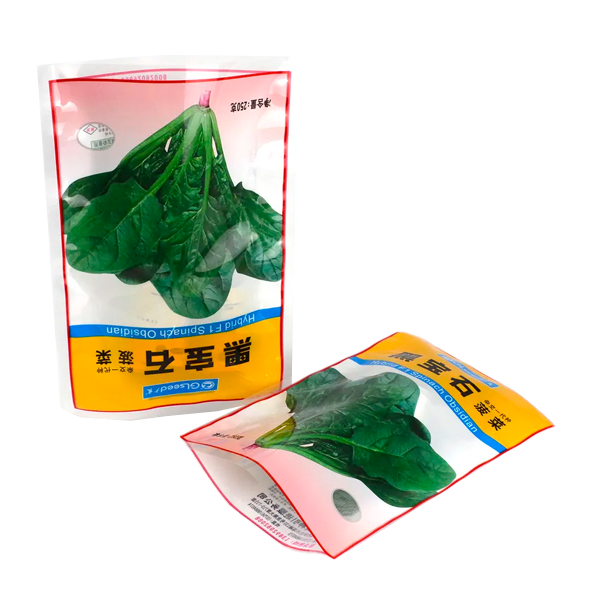
- Product visibility: Clear windows or transparent sections on the packaging allow customers to see the product inside, enticing them to make a purchase.
- Resealable features: Zipper closures or resealable adhesive strips help to maintain the freshness of the pet food after opening, preventing any spills or contamination.
- Branding and labeling: Well-designed logos, attractive graphics, and informative labels help to create brand recognition and communicate essential product information to customers.
Conclusion:
Choosing the right pet food packaging bag is crucial for pet food manufacturers in the service, packaging, and printing industry. By considering the different types of bags, materials used, and design considerations, you can ensure the quality, freshness, and appeal of your pet food products. Remember, attractive and functional packaging plays a significant role in attracting customers and building a reputable brand in the pet food market.
Keywords:Pet Food Packaging Bag
Related News

One stop packaging customization service

You can email us
Coco Ma, Email: coco@zhongbao-group.com
Carrie Chan, Email: sales7@zhongbao-group.com
Head office Address
Room 702, Block A, Jiafeng Building, Jiahe Street, Baiyun District,Guangzhou City, Guangdong Province, China, 510440